Mode
Text Size
Log in / Sign up
Oncology 2026-W19 · Published Jun 4, 2026

This Week in Oncology: Lymphoma Responses and Breast Cancer Survival

This week's research highlights offer insights into treatment responses for relapsed lymphoma and survival benefits in breast cancer. From the New England Journal of Medicine, a trial reported on experimental agents showing response rates up to 70% in adults with relapsed or refractory diffuse large B-cell lymphoma [1].

The systematic review and meta-analysis evaluated these agents alone or combined with CD20-antibodies, suggesting that cellular therapies may be considered for high response rates in this specific patient population.

Meanwhile, attention turned to solid tumours treated with immune checkpoint inhibitors. A Lancet meta-analysis examined 5278 patients to evaluate how high tumour mutation burden affects overall survival [2].

The findings suggest that while a high TMB improves overall survival in ICI-treated solid tumours, the associations vary by cancer type and treatment approach. Elsewhere this week, researchers looked at advanced hormone receptor-positive breast cancer. In The Lancet. Oncology, a meta-analysis of 11 phase 3 trials involving 6035 patients demonstrated that CDK4/6 inhibitors combined with endocrine therapy significantly improve survival [3].

The authors describe this combination as a significant improvement for advanced HR-positive, HER2-negative breast cancer.

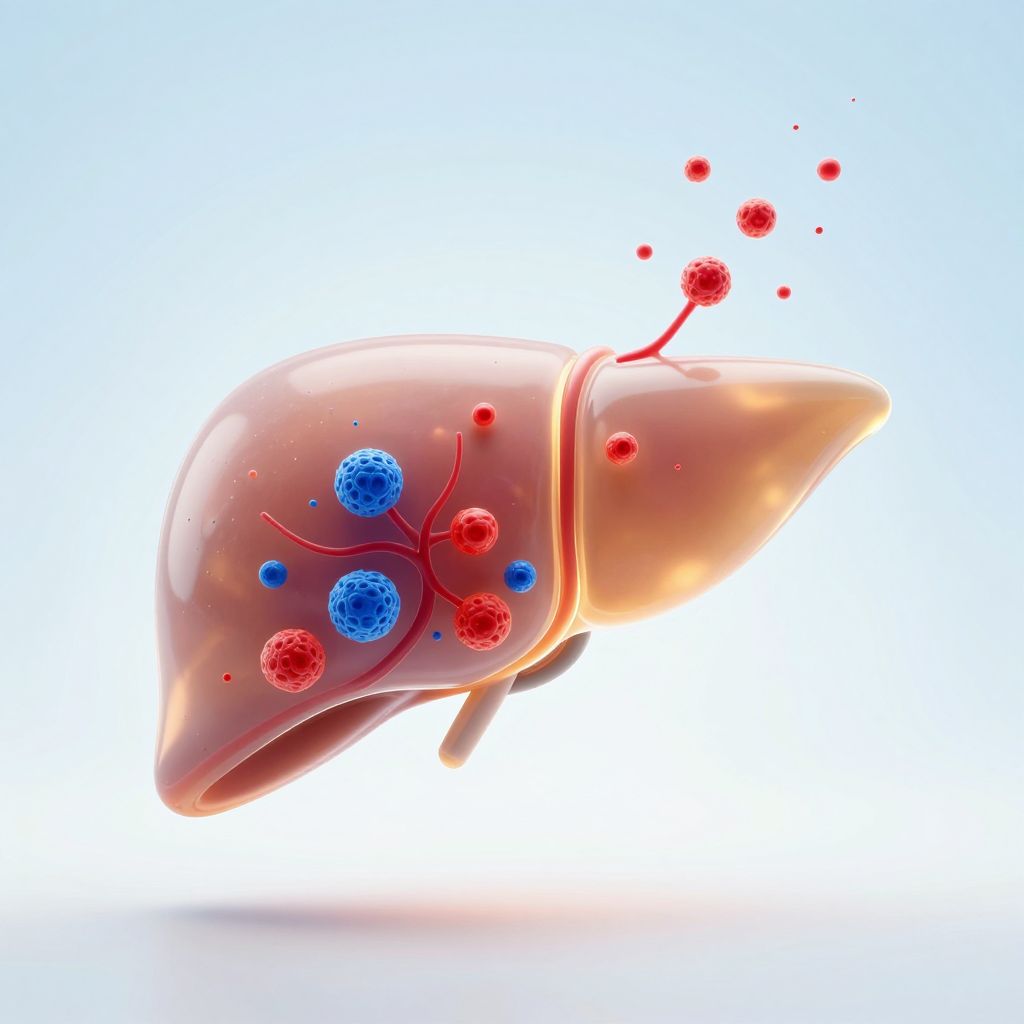
We also saw research in Cancer medicine regarding hepatocellular carcinoma. A separate study in this journal evaluated preoperative indicators including alpha-fetoprotein, tumor size, and tumor margin to predict microvascular invasion [4].

The analysis suggests clinicians should consider these preoperative indicators to predict microvascular invasion risk in patients with hepatocellular carcinoma. Finally, a study in the Journal of geriatric oncology examined the relationship between frailty and depression in adults with cancer [5].

This meta-analysis of cross-sectional studies found a significant association between frailty and depressive symptoms, indicating that frailty is associated with increased prevalence of depressive symptoms in this demographic.

Articles in This Digest
Experimental agents show response rates up to 70% in relapsed or refractory diffuse large B-cell lymphoma New cancer therapies double response rates for tough lymphoma
This systematic review and meta-analysis of phase 1-2 trials evaluated experimental agents alone or combined with CD20-antibodies in adults with relapsed or ref…
Patients with aggressive lymphoma once had few options after standard treatments failed, but new therapies are changing that outlook in ways doctors didn’t expe…
High tumour mutation burden improves overall survival in solid tumours treated with immune checkpoint inhibitors High Mutation Counts May Predict Better Cancer Survival Outcomes
This systematic review and meta-analysis evaluated 5278 patients with solid tumours treated with immune checkpoint inhibitors or chemotherapy.
High mutation counts in tumors may help predict who will survive longer when taking powerful immune-boosting cancer drugs
CDK4/6 inhibitors plus endocrine therapy improve survival in advanced hormone receptor-positive breast cancer CDK4/6 Inhibitors Boost Survival In Advanced Breast Cancer
This meta-analysis of 11 phase 3 trials involving 6035 patients demonstrates that CDK4/6 inhibitors combined with endocrine therapy significantly improve…
New data shows adding CDK4/6 inhibitors to hormone therapy helps patients live longer with advanced breast cancer.
Preoperative indicators predict microvascular invasion in hepatocellular carcinoma patients New Model Predicts Liver Cancer Spread Before Surgery
This meta-analysis evaluated preoperative indicators including alpha-fetoprotein, tumor size, and tumor margin to predict microvascular invasion in patients wit…
A simple scoring tool now predicts if liver cancer has spread into tiny blood vessels, helping surgeons plan safer operations and improve survival.
Frailty is associated with increased prevalence of depressive symptoms in adults with cancer Frailty strongly linked to depression in cancer patients
A meta-analysis of cross-sectional studies examined the relationship between frailty and depression in adults with cancer.
Frail cancer patients are nearly six times more likely to struggle with depression, a major red flag for care teams and families.
← 2026-W22 All Oncology digests →