Mode
Text Size
Log in / Sign up

Review explores JAK inhibitor combination with PD-1 blockade for overcoming immunotherapy resistance

Review explores JAK inhibitor combination with PD-1 blockade for overcoming immunotherapy resistance
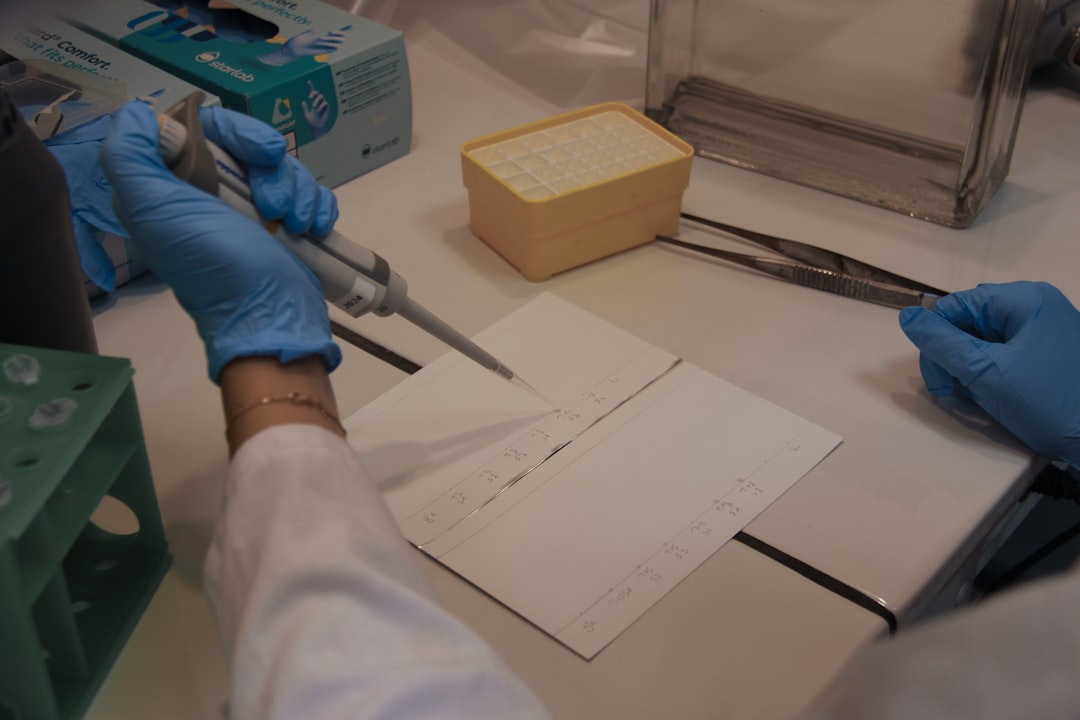
Photo by Giovanni Crisalfi / Unsplash
Key Takeaway
Consider JAK/PD-1 combination as exploratory rationale only; definitive clinical evidence is lacking.

This systematic review examines the biological rationale for combining JAK inhibitors with PD-1 blockade immunotherapy. It synthesizes emerging preclinical and clinical evidence suggesting this combination may disrupt inflammatory feedback loops and reprogram the tumor microenvironment to overcome resistance to immune checkpoint inhibitors. The discussion focuses on hematologic and solid tumors, particularly refractory malignancies, though specific study populations, sample sizes, and clinical settings are not reported.

The review does not present specific clinical trial results, effect sizes, or numerical outcomes. No comparator groups, primary or secondary outcomes, or follow-up durations are detailed in the provided evidence. Safety and tolerability data, including adverse events and discontinuation rates, are not reported.

Key limitations include the absence of definitive clinical trial results and comprehensive safety data. The evidence remains preliminary, consisting of emerging preclinical and clinical observations rather than established efficacy findings. The review suggests a promising synergistic strategy but explicitly notes it does not present definitive clinical outcomes. Practice relevance is not established, and clinicians should interpret this as exploratory mechanistic rationale requiring rigorous clinical validation.

Study Details

Study typeSystematic review
EvidenceLevel 1
PublishedApr 2026
View Original Abstract ↓
Targeting the programmed cell death 1 (PD-1)/PD-L1 axis has revolutionized cancer therapy; however, the durability of clinical responses is frequently compromised by chronic inflammation and an immunosuppressive tumor microenvironment (TME). The Janus kinase/signal transducer and activator of transcription (JAK/STAT) signaling pathway serves as a central intracellular node integrating cytokine signals that drive these resistance mechanisms. While physiological JAK/STAT signaling is essential for antitumor immunity, its persistent aberrant activation promotes malignant progression, upregulates PD-L1 expression, and orchestrates an immunosuppressive landscape by recruiting myeloid-derived suppressor cells (MDSCs) and polarizing tumor-associated macrophages (TAMs) toward an M2 phenotype, ultimately leading to T cell exhaustion. This review comprehensively elucidates the multifaceted role of JAK/STAT signaling in shaping the immune architecture of both hematologic and solid tumors. We examine the molecular crosstalk between JAK/STAT activation and key immune subsets within the TME and discuss the rationale for repurposing JAK inhibitors—established agents for autoimmune disorders—as adjuvants to immunotherapy. Emerging preclinical and clinical evidence suggests that combining selective JAK inhibition with PD-1 blockade can disrupt inflammatory feedback loops, reprogram the TME, and overcome resistance to immune checkpoint inhibitors. This synergistic strategy represents a promising therapeutic frontier for improving outcomes in refractory malignancies.
Free Newsletter

Clinical research that matters. Delivered to your inbox.

Join thousands of clinicians and researchers. No spam, unsubscribe anytime.