Myasthenia gravis (MG) is an autoimmune disease. The body’s defense system mistakenly attacks the connection between nerves and muscles.
This causes weakness. It can affect the eyes, face, swallowing, and limbs. Simple acts like chewing food, holding your head up, or climbing stairs become exhausting battles.
Current treatments try to calm the overactive immune system. They often involve long-term steroids and other strong immunosuppressants. These drugs can have severe side effects like weight gain, bone thinning, and increased infection risk.
For some, the disease is “refractory.” This means even these heavy-duty treatments don’t work well enough. They are left trapped between debilitating symptoms and toxic drugs.
The Surprising Shift
The old approach is lifelong management. Doctors try to suppress the bad behavior of the immune system with daily or monthly medications.
The new thinking is a one-time reset.
Instead of constantly policing the immune system, what if you could reprogram it? This study tested a way to do just that. It uses a patient’s own cells to give their immunity a fresh start.
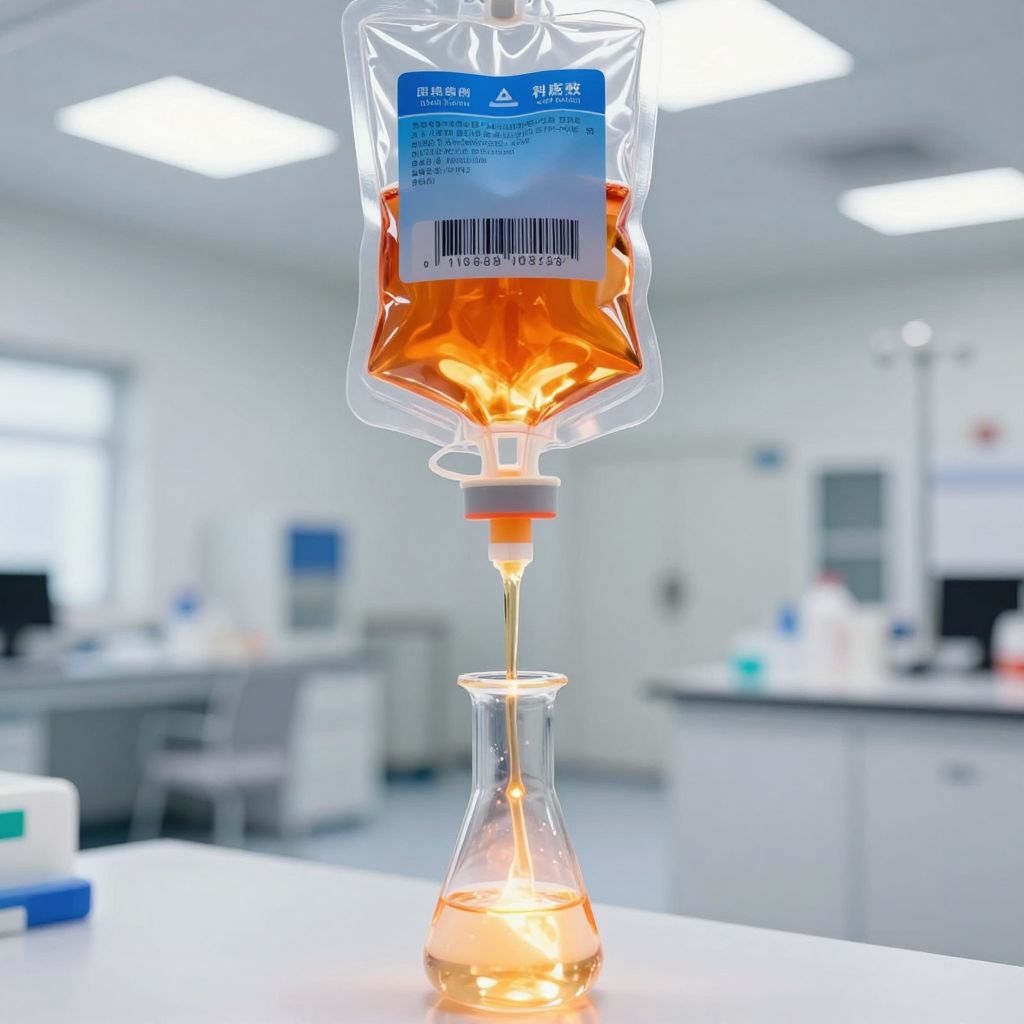
The treatment is called CAR T-cell therapy. It’s often described as a “living drug.”
Here’s a simple way to think about it. Your immune system has soldiers called T cells. In MG, other immune cells (B cells and plasma cells) are the ones making the harmful weapons (antibodies) that attack muscle nerves.
Scientists take a patient’s own T cells and genetically engineer them in a lab. They add a new tool called a Chimeric Antigen Receptor (CAR). This CAR acts like a super-powered GPS and weapon combined.
These engineered CAR T-cells are then infused back into the patient. They now have one mission: find and destroy any cell carrying two specific markers, CD19 and BCMA. These markers are like uniforms worn by the problematic B cells and plasma cells.
The CAR T-cells clear out the troublemakers. This stops the production of the harmful antibodies. It’s like sending in a special forces team to remove the source of the attack.
A Snapshot of the Trial
This was a small, early-phase study published in the journal Med. It involved six patients in China with severe, treatment-resistant generalized MG.
They each received a single infusion of their own engineered CD19/BCMA CAR T-cells. Crucially, they did not get the harsh chemotherapy (“lymphodepletion”) that usually comes before CAR T therapy for cancer. This was a key test for safety.
Researchers tracked their symptoms and immune systems for about five months.
The results were striking. The CAR T-cells did their job. They expanded in the body and removed their targets.
By day 90, five of the six patients had a symptom score of zero. In everyday terms, they had no measurable signs of their disease. They could resume normal daily activities without weakness.
All six patients were able to stop taking glucocorticoid steroids completely. They also greatly reduced their use of other immunosuppressant drugs. These responses held steady through the last follow-up.
But Here’s the Real Breakthrough
The most exciting finding wasn’t just that patients felt better. It was why they stayed better.
Scientists used advanced tools to watch the immune system rebuild itself after the CAR T-cell attack. They saw something remarkable. The new B cells that grew back were different. They were calmer and less reactive.
It appeared the therapy didn’t just wipe out the bad cells. It may have helped “reset” the immune system to a more peaceful state. The dangerous clones of cells were gone, replaced by a less aggressive population.
This represents a paradigm shift in treating autoimmune diseases. The goal is moving from chronic suppression to a potential one-time correction. The fact that this was done without pre-chemotherapy is a major step forward for patient safety and quality of life during treatment.
This is a groundbreaking study, but it is not a treatment you can ask for today. It is early-stage research in a very small group of patients. Its purpose was to test safety and see if the approach is promising.
The answer, clearly, is yes. It is incredibly promising.
If you or a loved one has refractory myasthenia gravis, this news is a beacon of hope. It shows where cutting-edge science is headed. It is a powerful reason to have hope for the future of treatment.
Understanding the Limits
This was a Phase 1 trial with only six patients. Its main goal was to check safety. While the effectiveness signals are strong, larger studies are needed to confirm them.
We also don’t know how long the benefits last beyond 150 days. The long-term safety of this immune reset in autoimmune disease is still being learned.
The success of this small trial paves the way for larger Phase 2 studies. These will involve more patients and focus on confirming effectiveness. Researchers around the world will be watching closely.
If those trials succeed, larger Phase 3 studies would follow. Only after that could the therapy be considered for approval by agencies like the FDA.
The path from a six-patient study to an approved treatment is long. It often takes many years. But this study provides a strong and compelling starting point. It suggests a future where a single treatment could offer lasting freedom from a lifelong disease.