Diffuse large B-cell lymphoma is a common type of blood cancer. It grows fast and needs quick action to stop it. When it comes back, doctors call it relapsed or refractory disease. Finding a new way to fight it is urgent.
Patients face a difficult choice when their first treatment fails. Many have already tried several different drugs by this point. The goal is to find something that works when others do not.
The Shift in Treatment
This approach is called CAR T-cell therapy. It is a major change from standard chemotherapy methods. It changes how the body recognizes and attacks the cancer cells.
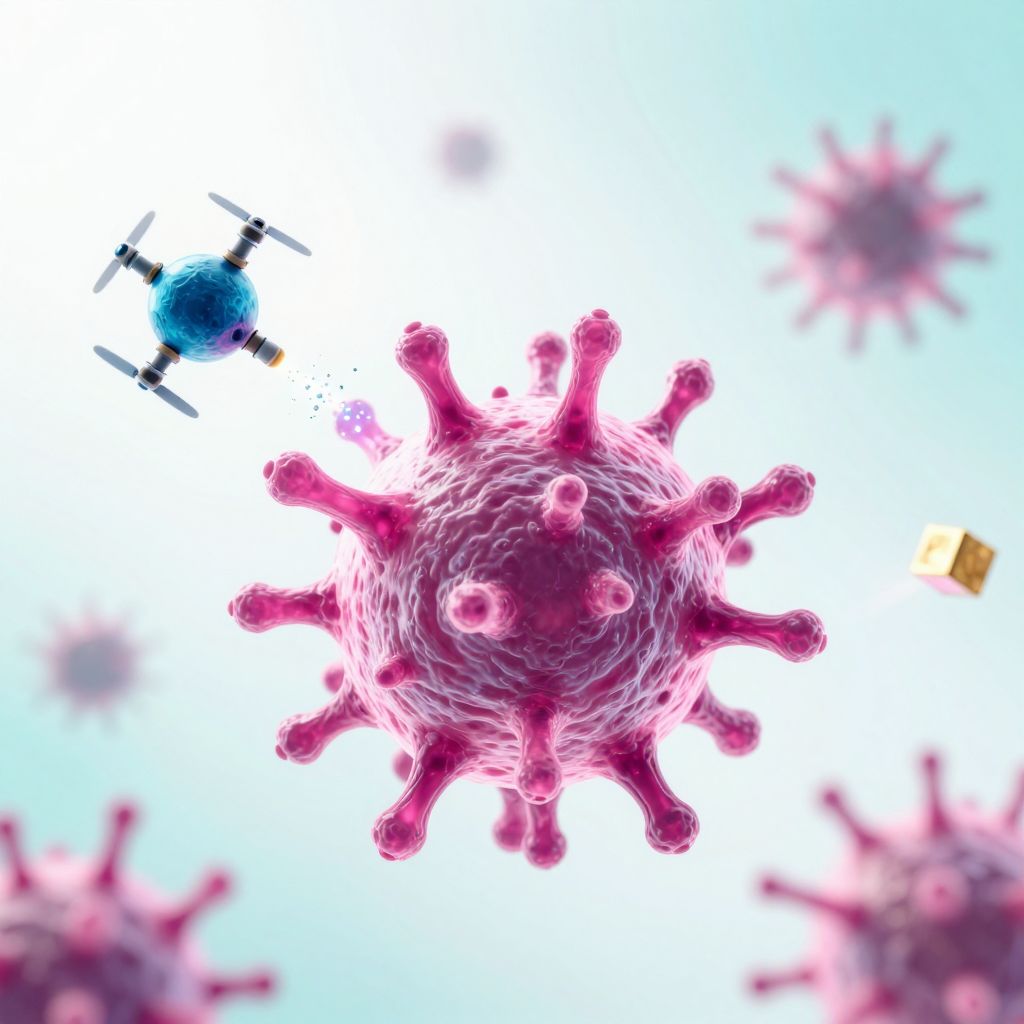
Think of your immune cells as soldiers on a mission. This therapy trains them to recognize cancer cells specifically. It changes the soldiers so they can find and destroy the enemy.
How The Body Fights Back
It is like giving them a new map to the target. The cells are taken from the patient and modified in a lab. They are sent back into the body to hunt down the disease.
Researchers looked at 79 patients in Korea for this report. They treated them between 2022 and 2025 at one hospital. The drug used was called Tisagenlecleucel. It is the only second-generation version available in that region.
Real-World Results Explained
Most patients saw their tumors shrink significantly after the treatment. About 64 percent had no signs of cancer three months later. The average survival time was nearly two years. This is a strong result for this stage of the disease.
About 73 percent of patients saw some tumor reduction. This means the therapy worked for the majority of people. However, not everyone achieved a complete response to the treatment.
This doesn’t mean this treatment is available yet.
Safety and Side Effects
There are risks involved with the therapy that must be managed. Some patients had high fevers or confusion during the process. Doctors call these side effects cytokine release (severe immune reaction) and neurotoxicity (brain confusion).
They need careful management to stay safe during treatment. About 12 percent of patients died from causes other than cancer. Infections and severe reactions were the main reasons for this.
Is It Ready For You?
Experts note that reaching a complete response early is key. Patients who had no cancer signs at three months lived longer. This helps doctors predict who might benefit most from the care.
This therapy is not a magic fix for everyone. It is approved in some places but not all. Patients should talk to their oncologist about eligibility. It is a powerful tool for specific cases.
The process takes time to prepare the cells for use. Some patients wait over a month for the final dose. Logistics can be a challenge for those needing quick action.
Study Limitations
The study looked at one hospital only. The follow-up time was about one year. We need more data to know long-term effects. More research is needed to confirm these results.
Scientists will keep testing this therapy in larger groups. They want to see if it works better with fewer side effects. Approval processes take time to ensure safety. Hope is growing for those facing difficult diagnoses.