
G-POEM shows 63.5% clinical success at 6 months for refractory gastroparesis after esophagectomy
Can a new procedure help when the stomach won't empty after cancer surgery?
A multicenter retrospective cohort study of 108 patients with refractory gastroparesis following esophagectomy found that gastric peroral en…
A new scope procedure helped half of patients with severe stomach emptying problems after cancer surgery feel significantly better within si…

Digital SMELL-RS Test Shows Reliability and Correlation with Sniffin' Sticks in Olfactory Dysfunction
Can a quick digital test reliably measure your sense of smell?
A test-retest reliability study of 100 subjects with and without smell dysfunction found the self-administered digital SMELL-RS test had rel…
A quick digital smell test takes just six minutes and matches professional clinic results, offering a fast way to check if your sense of sme…

Real-world study of CI632 cochlear implant shows hearing improvement in Chinese patients at 6 months
Cochlear implant study in China shows hearing improvements at six months
A prospective, real-world observational study of 25 Chinese children and adults with bilateral moderate sloping to profound sensorineural he…
A real-world study in China found that cochlear implant users gained an average of 30 decibels in hearing ability within six months of surge…

Positive ECochG track patterns correlate with better hearing preservation after cochlear implantation
Can a surgery monitor help preserve natural hearing after a cochlear implant?
An observational cohort study of 23 adults with residual acoustic hearing undergoing cochlear implantation found that positive intra-operati…
A specific signal during cochlear implant surgery predicted that patients would keep their natural hearing, with 100% of those showing the p…

Bone conduction hearing devices improve quality of life in adults with chronic otitis media hearing loss
Bone conduction hearing devices may improve quality of life for adults with chronic ear infections
A meta-analysis of nine non-randomized studies in 107 adults with chronic otitis media-related hearing loss found bone conduction hearing de…
Bone conduction hearing devices significantly boost quality of life for adults with chronic ear infections, with hearing gains of 38 to 52 d…

Phase 2 trial of ketamine for tinnitus in 42 adults did not report main results
Can a single ketamine dose quiet the brain's noise in people with tinnitus?
A phase 2 clinical trial investigated ketamine hydrochloride versus placebo in 42 adults with tinnitus.
A single ketamine dose may quiet brain noise in tinnitus by blocking glutamate receptors and boosting calming GABA chemicals, offering hope …

Middle ear impedance from wideband tympanometry improves automated classification of stapes fixation and superior canal dehiscence
Study finds new ear measurement may help distinguish two specific hearing loss causes
A diagnostic accuracy study of 97 ears with conductive hearing loss found that combining air-bone gaps with middle ear impedance magnitude f…
A new ear measurement combined with standard tests correctly identified two specific causes of hearing loss in about 86% of cases, offering …
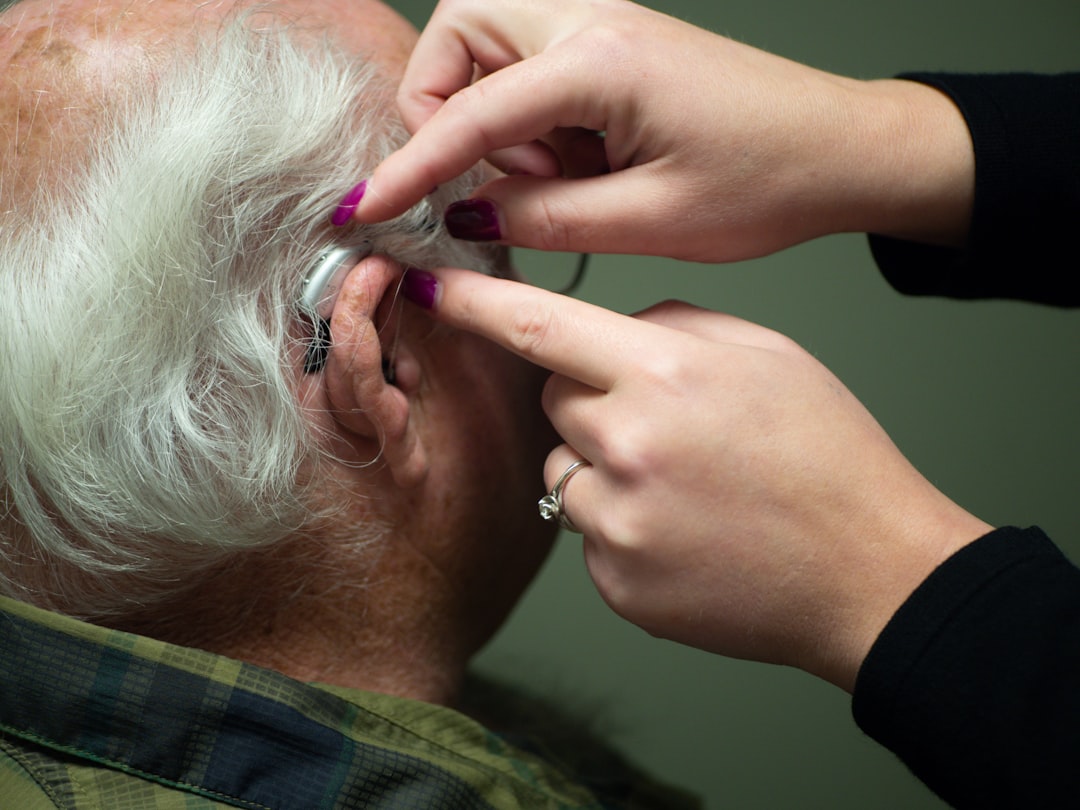
Review finds strongest support for HBOT plus corticosteroids in sudden hearing loss recovery
What's the best treatment for sudden hearing loss? A review looks at blood flow therapies
A review of hemodynamic-based therapies for sudden sensorineural hearing loss (SSNHL) and Ménière's disease found the strongest evidence sup…
Combining hyperbaric oxygen therapy with steroids boosts hearing recovery in sudden hearing loss, but timing and severity affect the results…

Theoretical model explains direction-changing nystagmus and test dissociation in Ménière's disease
Why does vertigo spin one way, then reverse? A new model offers clues
A theoretical model proposes a framework for understanding direction-changing spontaneous nystagmus and vestibular test dissociation during …
A new model explains why Ménière's vertigo spins one way then reverses, showing how the brain's slow balance updates clash with the ear's fa…

Pyloroplasty during minimally invasive esophagectomy linked to fewer short-term complications
Does adding a stomach procedure during esophageal cancer surgery reduce complications?
A Phase III randomized controlled trial in 134 evaluable patients undergoing MIE or RAMIE found adding pyloroplasty was associated with fewe…
Adding a small stomach procedure during esophageal cancer surgery reduced early pneumonia and leaks in the first 30 days, prompting doctors …

Periodontal disease associated with increased oral cancer odds in meta-analysis of case-control studies
Could gum disease raise your risk of oral cancer? A new review suggests a link
A systematic review and meta-analysis of 18 case-control studies including 31,504 adults found periodontal disease was associated with incre…
Severe gum disease is linked to a 2.3 times higher risk of oral cancer in adults, signaling a deep connection between oral and overall healt…