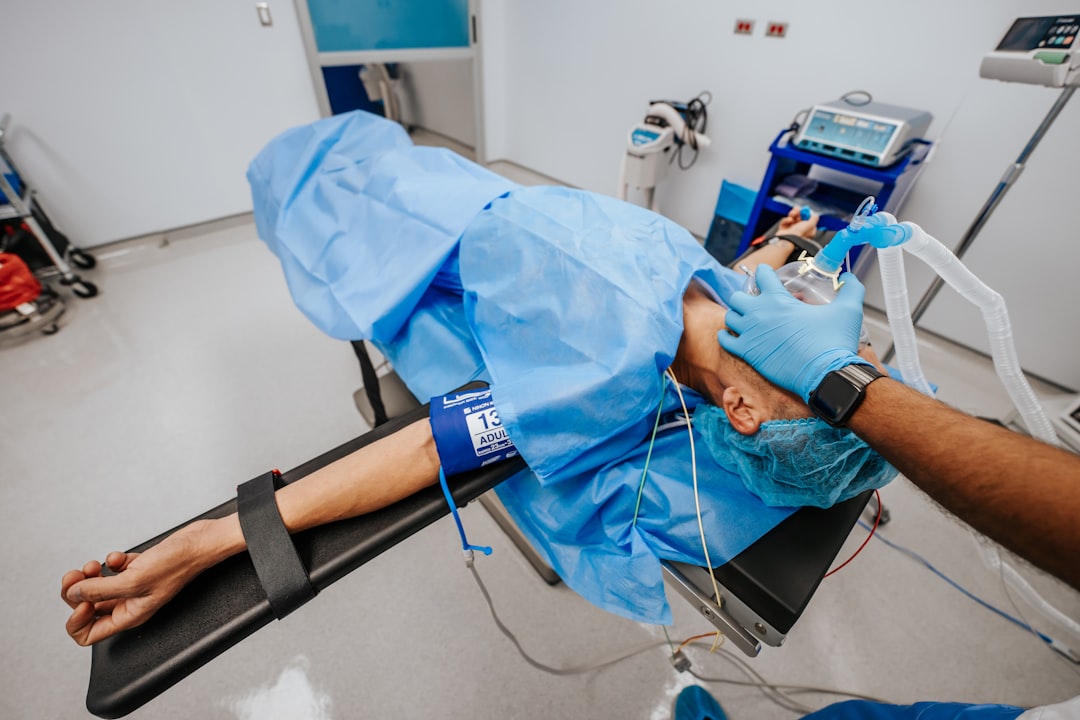
Imagine waking up from surgery feeling great. Then the nausea hits hard. It is a common side effect of pain medicine.
Many people need opioids after surgery. But too much causes vomiting. This stops people from eating or drinking.
Why nausea hits so hard after surgery
Doctors often use strong pain medicine after operations. These drugs help with pain but can make you sick. Nausea and vomiting are very common.
This problem is called PONV. It happens to many patients. It makes recovery much harder than it needs to be.
A smart pump that listens to pain
Doctors used to give a steady stream of medicine. This is called constant-rate background infusion. It keeps pain steady but can give too much drug.
Now a smart pump adjusts the flow. It listens to your pain signals. If you need more relief, it gives a bit more.
Think of a thermostat in your home. It turns heat up or down to keep the room comfortable. This pump does the same with pain meds.
It watches how often you press the button for extra pain relief. If you press it too much, it adds more medicine. If you go hours without pressing it, it slows down.
What changed in the new study results
Researchers tested this idea with 132 women. They all had surgery to remove fibroids. Half got the old pump. Half got the new smart one.
The new pump cut nausea by 21 percent. People used less pain medicine. Pain relief stayed the same.
Patient satisfaction was much higher with the smart pump. No one had trouble breathing in either group.
This does not mean the new pump is ready for your surgery.
Why this might not be everywhere yet
This is a promising step forward for pain management. But it is not in every hospital yet. You might not see it at your local clinic.
The study was small and focused on one type of surgery. We need more data before it becomes standard care.
Doctors will need to learn how to use the new system. Hospitals also need to buy the equipment.
What happens next for this technology
More research is needed to see if this works for other surgeries. Researchers want to check if it saves money too.
Approval takes time to ensure safety for everyone. You should talk to your doctor about pain plans before your operation.
The goal is to help people feel better faster. Less nausea means you can eat and drink sooner. This helps your body heal.
Scientists are working to make this technology available to more people. It could change how we manage pain after surgery.
For now, this is a hopeful sign for patients. It shows that technology can make recovery easier. We will watch for more updates on this smart pump.