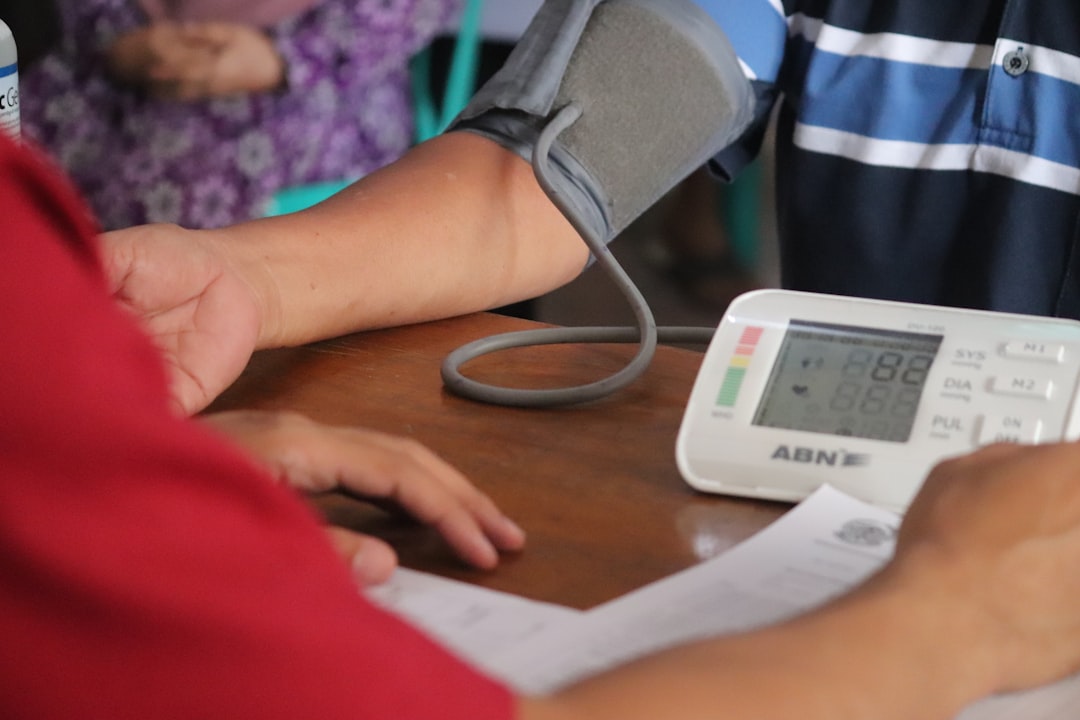
Cancer treatment can save your life. But some therapies come with a hidden risk: a sharp rise in blood pressure. This isn’t just a minor side effect. It can strain your heart and complicate your recovery.
If you’re on a targeted cancer drug, your blood pressure might climb faster than you expect. The good news? This is manageable—if you catch it early.
Why Blood Pressure Matters During Cancer Care
High blood pressure is already a common health issue. It affects nearly half of all adults. But when it’s caused by cancer treatment, it behaves differently. It can appear suddenly. It can be harder to control.
This is called therapy-induced hypertension. It’s most common with drugs that block a pathway called VEGF. VEGF helps tumors grow new blood vessels. Blocking it can slow cancer. But it also stresses the body’s own blood vessels.
The result? Blood pressure goes up. Sometimes a lot.
For patients, this adds another worry to an already stressful time. You’re focused on fighting cancer. Now you have to watch your blood pressure too.
But here’s the key: managing this blood pressure isn’t just about avoiding heart problems. It might actually help your cancer treatment work better.
The Old Way vs. The New Thinking
In the past, doctors might have seen high blood pressure during cancer therapy as just another side effect. Something to note, maybe treat later.
Now, we know better.
High blood pressure during VEGF therapy isn’t just a nuisance. It’s a signal. It tells us the drug is hitting its target. It also tells us your heart needs support.
The old way was reactive. Wait for pressure to rise, then treat it.
The new way is proactive. Monitor closely from the start. Treat early and aggressively.
This shift is changing how oncologists and cardiologists work together. It’s creating a new field called cardio-oncology. The goal: protect the heart while fighting cancer.
How VEGF Drugs Affect Your Blood Vessels
Think of your blood vessels as a network of highways. Blood flows smoothly when the roads are wide and flexible.
VEGF is like a construction crew. It helps build new roads (blood vessels) when needed. Tumors use this to feed themselves.
VEGF inhibitors stop that crew. They shrink the tumor’s blood supply. But they also affect your body’s normal highways.
Without VEGF, your blood vessels can’t relax as easily. They tighten. The space for blood to flow gets narrower. Pressure builds up—like water in a narrow pipe.
This isn’t a flaw in the drug. It’s part of how it works. The same action that starves the tumor also stresses your vessels.
Understanding this helps doctors choose the right blood pressure medicines. Some drugs relax blood vessels better than others.
A recent review in Frontiers in Medicine looked closely at this problem. The study focused on VEGF pathway inhibitors. These are common in treating kidney, liver, and other cancers.
The researchers examined how often high blood pressure happens. They looked at how severe it gets. And they reviewed the best ways to treat it.
They found that high blood pressure is one of the most consistent side effects of these drugs. It can happen within days or weeks. It’s more common in older patients and those with existing blood pressure issues.
But here’s the key finding: early detection matters. Patients who had their blood pressure checked and treated quickly had better outcomes. Not just for their heart, but for their cancer treatment too.
The study also highlighted specific medications that work well. Drugs that block the renin-angiotensin system (like lisinopril) are often first choice. Calcium channel blockers (like amlodipine) are also effective. Sometimes, doctors use both.
This doesn’t mean this treatment is available yet.
Why Early Detection Is Critical
Waiting to treat high blood pressure during cancer therapy is risky. The longer it stays high, the more strain on your heart. Over time, this can lead to heart failure, kidney damage, or stroke.
But catching it early changes the story. With the right medications, most patients can keep their blood pressure in a safe range. This lets them continue their cancer treatment without interruptions.
It also gives doctors a window to adjust therapy. If blood pressure spikes, they might tweak the cancer drug dose or timing. They can add heart-protective medicines sooner.
For patients, this means fewer surprises. Less worry. More control.
If you’re on a VEGF inhibitor, here’s what to do:
1. Check your blood pressure regularly. Home monitors are cheap and easy to use. Ask your doctor how often to check. 2. Know your numbers. A normal reading is below 120/80. But during cancer treatment, your doctor might aim for even lower. 3. Report changes fast. Don’t wait for your next appointment. Call your care team if your pressure is consistently high. 4. Ask about heart-protective meds. If you have existing blood pressure issues, your doctor might start these drugs before you even begin cancer therapy.
This isn’t about adding more to your plate. It’s about making your treatment safer and more effective.
Most of the evidence comes from observational studies and clinical reviews. Large, randomized trials are still needed. We don’t yet have perfect guidelines for every patient.
Also, not all cancer drugs affect blood pressure the same way. The risk varies by drug type, dose, and patient factors. Your experience may differ.
What Happens Next
The field of cardio-oncology is growing fast. Researchers are working on better ways to predict who’s at risk. They’re testing new strategies to prevent blood pressure spikes before they start.
In the meantime, the message is clear: monitor closely, treat early, and work as a team. Your oncologist, cardiologist, and primary care doctor should be in sync.
Cancer treatment is tough. But with careful attention to blood pressure, you can protect your heart while fighting your disease.