This Week in Diabetes & Endocrinology: Foot Ulcers, Fat, and Lifestyle
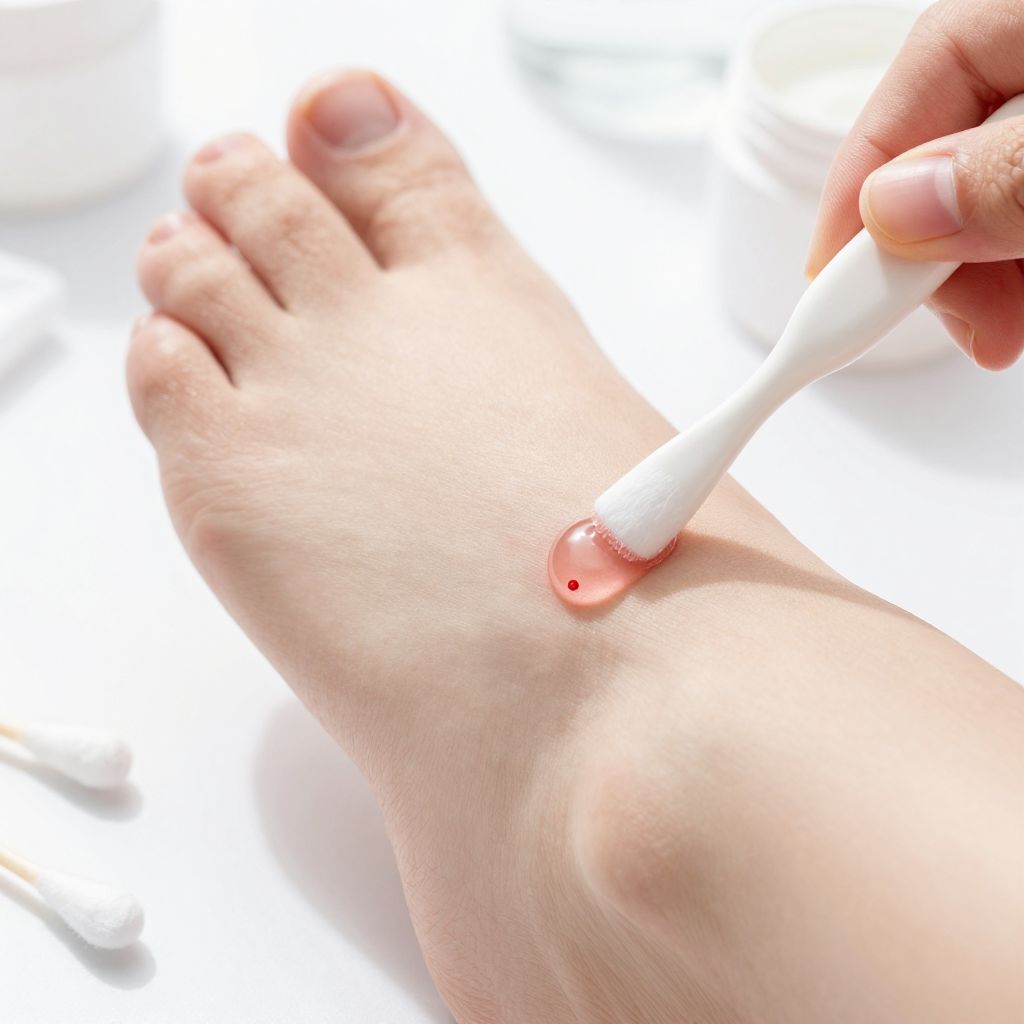
From the New England Journal of Medicine, a trial examined placenta-derived products for diabetic foot ulcers. A comprehensive network meta-analysis of 6,161 patients demonstrated that twelve topical therapies enhance wound healing in these cases [1].
The authors describe findings suggesting that placenta-derived products significantly improve wound healing and reduce adverse events compared to standard care options. Meanwhile, attention turned to metabolic health markers in Current obesity reports, where a systematic review and meta-analysis of 3,980 individuals found that intrapancreatic fat deposition measured by MRI is significantly higher in people with type 2 diabetes compared to non-diabetic controls [2].
However, the authors note that while this association is clear, causality remains unproven.
Elsewhere this week, researchers in The Journal of clinical endocrinology and metabolism evaluated the causal link between high body mass index and vascular-related dementia. This Mendelian randomization meta-analysis indicates that higher BMI is a causal risk factor for vascular-related dementia, specifically via blood pressure mediation [3].
We also saw research in medRxiv regarding lifestyle interventions for Type 2 Diabetes in West Africa. This systematic review and meta-analysis evaluated physical activity, dietary modification, and educational programs in adults with Type 2 Diabetes in the region [4].
The evidence regarding these interventions was noted to have low to very low certainty. Finally, a narrative review in Frontiers in Medicine synthesized evidence on brown adipose tissue in older adults with obesity. It finds that BAT volume and activity are reduced, and thermogenic responsiveness is attenuated in this population [5].
The authors suggest that while BAT is reduced in older adults with obesity, the evidence is heterogeneous and does not prove causation.
Articles in This Digest