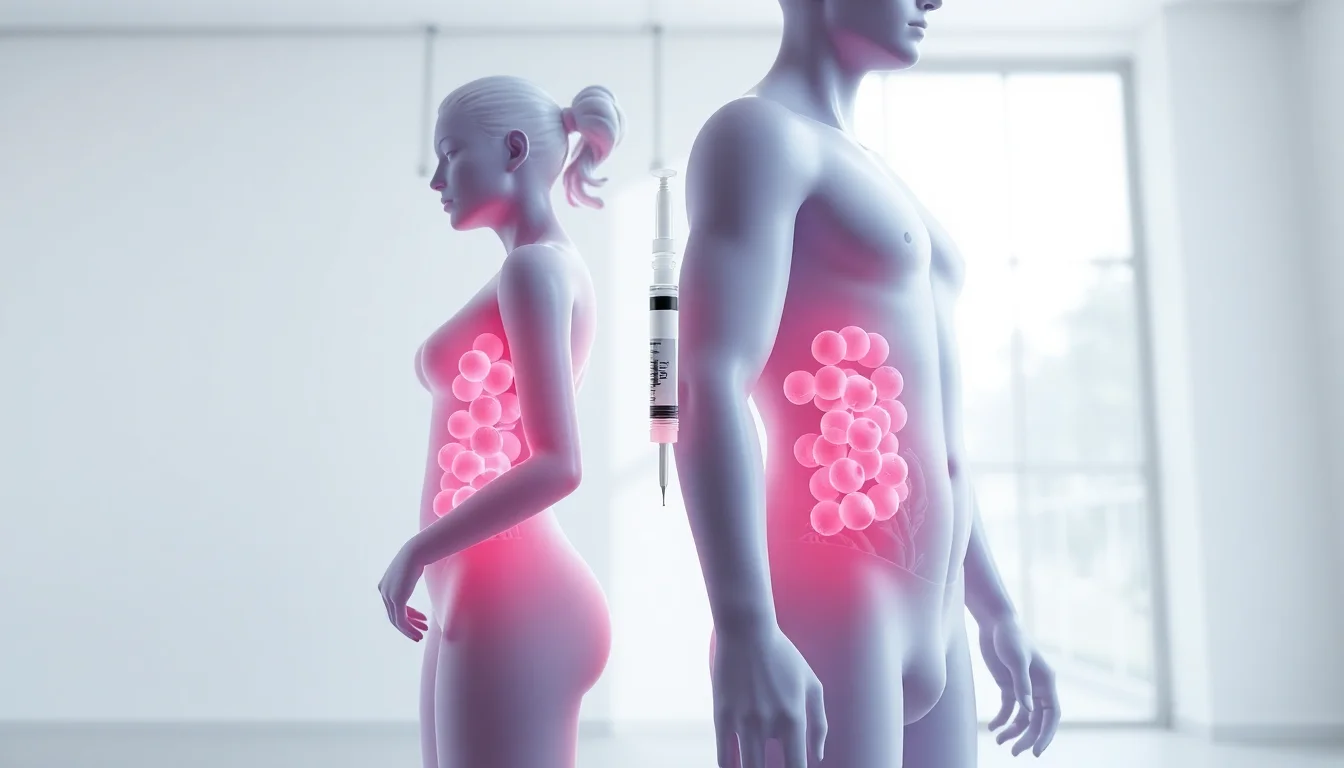
Why Meal Timing Confused Patients
Imagine you’re at dinner and your doctor says, “Take your heart pill now.” You wonder: should you swallow it with your steak, or wait until after dessert? For years, patients have juggled pill bottles and meal plans, hoping to get the best effect.
The confusion isn’t accidental. Early drugs often required strict timing because food could either boost or block their action. When a new medication arrives, the label may still list “take with food” or “take on an empty stomach,” even if the real impact is minimal.
The Surprising Flexibility of New Pills
Heart disease and type 2 diabetes affect millions worldwide. In the United States alone, about 1 in 3 adults has high blood pressure, and roughly 10 % live with diabetes. Both conditions need daily medicines that stay in the body long enough to protect the heart and control sugar.
Patients often miss doses because they can’t coordinate pills with meals, especially when schedules are hectic. Missed doses can lead to higher blood pressure, more heart attacks, or worse blood‑sugar control. A simpler dosing routine could improve adherence and outcomes.
The Surprising Flexibility of New Pills
But here’s the twist: a recent scoping review of 36 clinical studies found that most of the newest cardiovascular and antidiabetic drugs work just as well whether you take them with food or on an empty stomach. The only changes observed were lower peak concentrations and a slight delay in how fast the drug entered the bloodstream. Overall exposure—the amount that matters for effectiveness—stayed the same.
How Food Changes Drug Absorption
Think of a drug’s journey like a car entering a busy highway. Food acts like rush‑hour traffic: it slows the car down and may keep it from reaching top speed quickly, but the car still reaches its destination. For most of the drugs reviewed—such as sacubitril/valsartan, most direct oral anticoagulants, and SGLT‑2 inhibitors—food created that traffic jam, lowering the “peak” (the highest concentration) but not reducing the total distance traveled (overall exposure).
Two exceptions behaved differently. Semaglutide, a GLP‑1 receptor agonist, reached its best effect when taken on an empty stomach, much like a car that needs a clear road to speed up. Pitavastatin also showed higher absorption without food. Conversely, vericiguat and higher doses of rivaroxaban performed