Imagine a healthy woman in her 40s who doesn’t smoke, has normal blood pressure, and no diabetes. Suddenly, she has chest pain and is rushed to the hospital. Doctors find she’s having a heart attack, but the arteries look different. There’s no clogged plaque. Instead, a tear has formed inside the artery wall. This is spontaneous coronary artery dissection, or SCAD. It’s a leading cause of heart attacks in younger women.
For years, doctors puzzled over why SCAD happens. They often blamed physical stress or pregnancy. But a new study from Sweden suggests something deeper is at play: our genes. The research reveals that rare gene variants—changes not common in the general population—may quietly weaken blood vessels, making them prone to sudden tears.
Why does this matter now? SCAD accounts for up to 35% of heart attacks in women under 50. It’s especially frustrating because standard heart attack risk factors like high cholesterol or smoking often don’t apply. Patients can feel blindsided. Current treatments focus on stabilizing the heart and managing symptoms, but they don’t address the root cause. This study points to a biological reason that could change how we think about prevention and care.
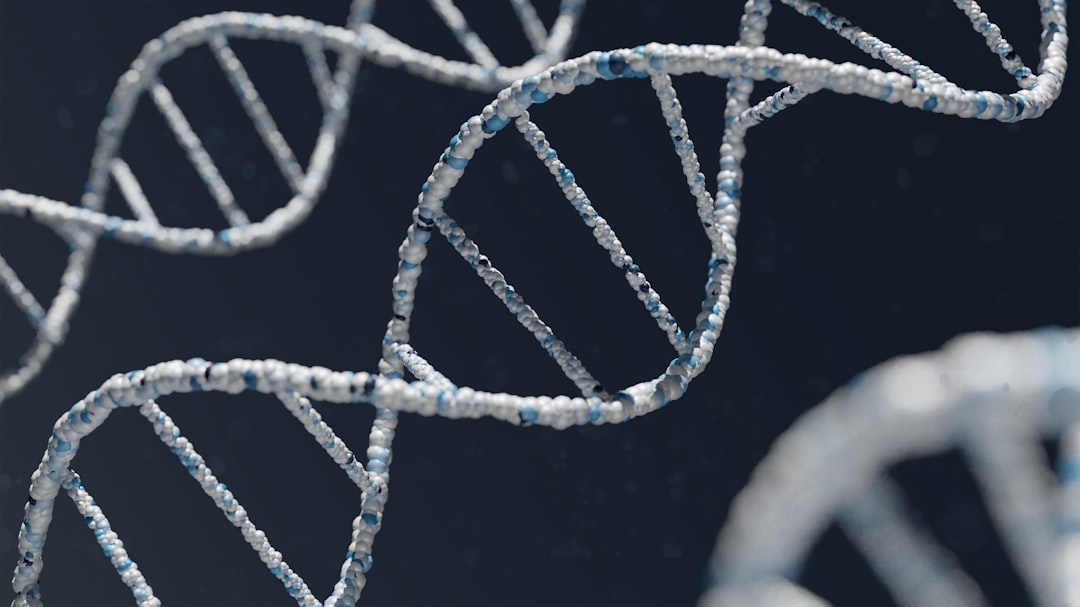
For decades, heart disease was seen as a plumbing problem—clogged pipes from fatty deposits. SCAD doesn’t fit that model. Here’s the twist: it’s more like a structural flaw in the pipe itself. The artery wall can tear from the inside, allowing blood to leak between its layers. This creates a false channel that blocks blood flow. The new research suggests this flaw may be built into our DNA.
Think of blood vessels as a reinforced hose. Collagen and other proteins act like the hose’s inner mesh, giving it strength and flexibility. If that mesh is weak, normal pressure can cause a split. The study found that many SCAD patients have rare variants in genes that build this mesh. It’s like having a factory defect in the hose material—small changes that make it more likely to burst under everyday use.
The Swedish study included 201 patients from the SweSCAD project, a national effort to understand SCAD. All had confirmed SCAD diagnosed by coronary angiography, a test that images the heart’s arteries. Researchers performed comprehensive exome sequencing, which looks at all the protein-coding parts of the genes. They focused on finding rare variants that might contribute to disease risk.
The results were striking. About 4% of patients had genetic variants that are already recognized in clinical practice as linked to SCAD. But when researchers looked more broadly, they found that nearly 60% of patients carried rare variants in genes tied to vascular integrity and remodeling. These genes help maintain the structure and repair of blood vessels. Many of these variants affect collagen, the extracellular matrix (the supportive scaffold around cells), and estrogen-responsive pathways—which may help explain why SCAD is so female-predominant.
This doesn’t mean this treatment is available yet.
The study supports the idea that SCAD is a genetically complex arteriopathy. It’s not caused by one gene but by a mix of rare high-impact variants and broader polygenic susceptibility—many small genetic factors adding up. This helps explain why SCAD can seem to appear out of the blue, even in people with no family history of heart disease.
An expert perspective from the field notes that while the diagnostic yield of clearly actionable variants is modest, these findings support broader genomic evaluation beyond obvious syndromic presentations. In other words, even without a clear genetic syndrome, looking at a patient’s full genetic profile could offer clues. This aligns with growing calls for personalized medicine in cardiology.
What does this mean for you? If you’ve had a SCAD event, or if you have a family history of SCAD or unexplained heart attacks, it may be worth discussing genetic evaluation with your cardiologist. While routine genetic testing isn’t standard yet, this research adds to the evidence that SCAD has a strong biological basis. It’s not “just bad luck.” Understanding your genetic risk could inform future care, especially as more studies connect specific variants to outcomes.
The study has limitations. It’s based on 201 Swedish patients, so the findings may not apply to all populations. The exome sequencing focused on protein-coding genes; non-coding regions of DNA that also influence disease were not examined. And while the variants found are biologically plausible, proving they directly cause SCAD requires functional studies in cells or animal models.
What happens next? Larger studies that include diverse populations are needed to confirm these links and refine which variants truly matter. Researchers are also exploring how genes interact with hormones, pregnancy, and physical stress to trigger SCAD. Over time, this could lead to better risk prediction tools and targeted therapies. For now, the takeaway is clear: SCAD is more than a random event—it’s a complex condition with deep roots in our biology.