Mode
Text Size
Log in / Sign up

Meta-analysis finds AI systems show high diagnostic accuracy for ischemic and hemorrhagic stroke

Meta-analysis finds AI systems show high diagnostic accuracy for ischemic and hemorrhagic stroke
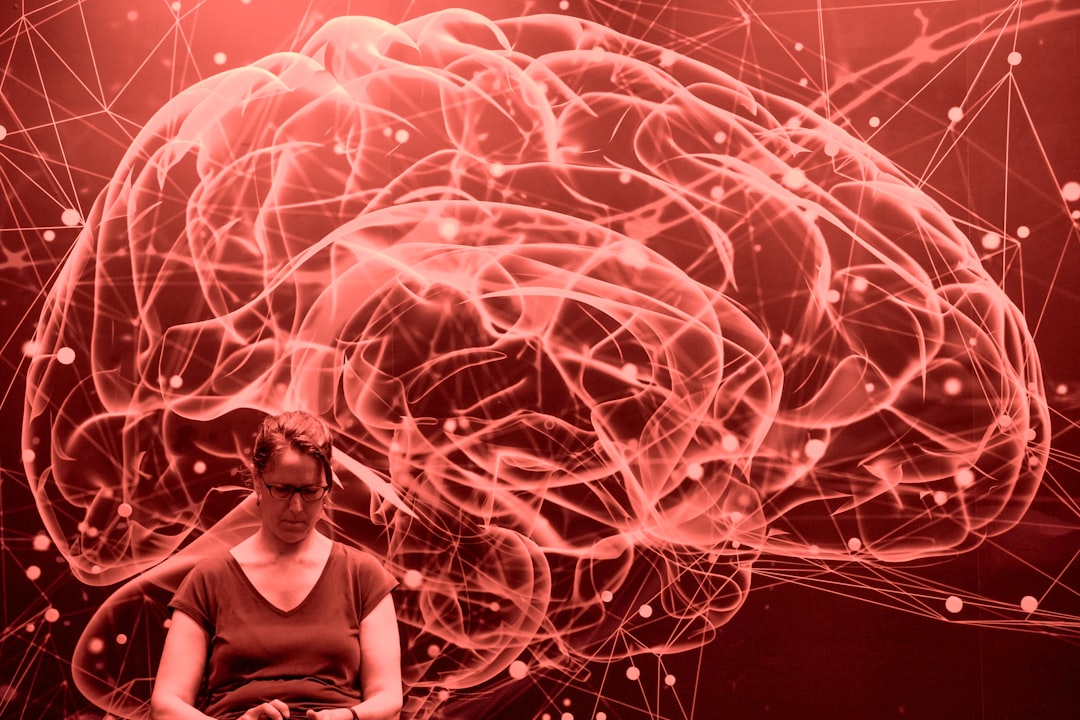
Photo by Marwen Larafa / Unsplash
Key Takeaway
Consider AI as a potential diagnostic aid for stroke detection, but recognize evidence is limited to 9 studies.

This meta-analysis of 9 studies evaluated the diagnostic accuracy of AI-based models on CT or MRI imaging compared to human radiologists for detecting ischemic and hemorrhagic stroke in emergency settings. The analysis followed PRISMA-DTA guidelines with methodological quality assessed using QUADAS-2.

For ischemic stroke, pooled analysis showed mean sensitivity of 86.9% (95% CI: 69.9%-95%) and specificity of 88.6% (95% CI: 77.8%-94.5%). For hemorrhagic stroke, mean sensitivity was 90.6% (95% CI: 86.2%-93.6%) and specificity was 93.9% (95% CI: 87.6%-97.2%), with a diagnostic odds ratio of 148.8 (95% CI: 79.9-277.2).

Safety and tolerability data were not reported in the included studies. Key limitations include the small number of studies (9), lack of reported follow-up data, and absence of funding or conflict of interest disclosures.

While AI systems demonstrated high diagnostic accuracy approaching that of human radiologists, these findings come from a limited evidence base. The results suggest potential for AI to support diagnostic precision in acute stroke, but clinical implementation requires further validation in diverse practice settings with attention to integration workflows.

Study Details

Study typeMeta analysis
EvidenceLevel 1
PublishedApr 2026
View Original Abstract ↓
Stroke poses a significant health challenge, with ischemic and hemorrhagic subtypes requiring timely and accurate diagnosis for effective management. Traditional imaging techniques like CT have limitations, particularly in early ischemic stroke detection. Recent advancements in artificial intelligence (AI) offer potential improvements in stroke diagnosis by enhancing imaging interpretation. This meta-analysis aims to evaluate the diagnostic accuracy of AI systems compared to human experts in detecting ischemic and hemorrhagic strokes. The review was conducted following PRISMA-DTA guidelines. Studies included stroke patients evaluated in emergency settings using AI-Based models on CT or MRI imaging, with human radiologists as the reference standard. Databases searched were MEDLINE, Scopus, and Cochrane Central, up to January 1, 2024. The primary outcome measured was diagnostic accuracy, including sensitivity, specificity, and AUROC and the methodological quality was assessed using QUADAS-2. Nine studies met the inclusion criteria and were included. The pooled analysis for ischemic stroke revealed a mean sensitivity of 86.9% (95% CI: 69.9%-95%) and specificity of 88.6% (95% CI: 77.8%-94.5%). For hemorrhagic stroke, the pooled sensitivity and specificity were 90.6% (95% CI: 86.2%-93.6%) and 93.9% (95% CI: 87.6%-97.2%), respectively. The diagnostic odds ratios indicated strong diagnostic efficacy, particularly for hemorrhagic stroke (DOR: 148.8, 95% CI: 79.9-277.2). AI-Based systems exhibit high diagnostic accuracy for both ischemic and hemorrhagic strokes, closely approaching that of human radiologists. These findings underscore the potential of AI to improve diagnostic precision and expedite clinical decision-making in acute stroke settings.
Free Newsletter

Clinical research that matters. Delivered to your inbox.

Join thousands of clinicians and researchers. No spam, unsubscribe anytime.