- Best acupuncture combo depends on treatment length
- Helps stroke survivors regain arm and hand movement
- Still experimental — not yet standard care
This study reveals which acupuncture combinations work best — and when.
For months after her stroke, Maria struggled to lift a coffee mug. Her right arm felt heavy, stiff, like it wasn’t hers. She tried physical therapy, but progress stalled. Then she added acupuncture — not just needles in her arms, but also on her scalp. Within weeks, small wins returned: zipping a jacket, brushing her teeth.
She’s not alone. Millions face weak, stiff arms after stroke. Now, science may have a clearer answer on how to help.
Stroke is a leading cause of long-term disability. Over 7 million Americans live with its effects. One common issue? Losing control of an arm or hand.
This isn’t just about movement. It’s about dignity. Cooking. Dressing. Holding a grandchild’s hand.
Most rely on physical therapy. It helps — but often not enough. Many hit a wall after a few months. Drugs do little for motor recovery. There’s a real need for safe, effective add-on treatments.
The surprising shift
For years, acupuncture was seen as “maybe helpful” — but not backed by strong data. Some doctors dismissed it. Others said the benefits were just placebo.
But here’s the twist: this isn’t a small trial. It’s the largest analysis of its kind — 103 studies, nearly 9,400 patients.
And it shows certain acupuncture combos do stand out — especially when paired with standard rehab.
What works — and when
The big surprise? Timing changes everything.
The best combo for recovery after one month isn’t the same as the one that works within the first month.
That’s never been shown so clearly before.
This doesn’t mean this treatment is available yet.
The right mix at the right time
For improving arm movement over time, the top combo was standard therapy plus body acupuncture (needles in arms, legs, torso) plus electroacupuncture (a gentle electric pulse added to needles).
This trio worked best when used for more than one month. Think of it like building strength — slow and steady wins.
But in the early phase — the first 30 days — a different combo led: traditional Chinese medicine plus a new minimally invasive needle method. It’s less intense, possibly better suited for fragile recovery stages.
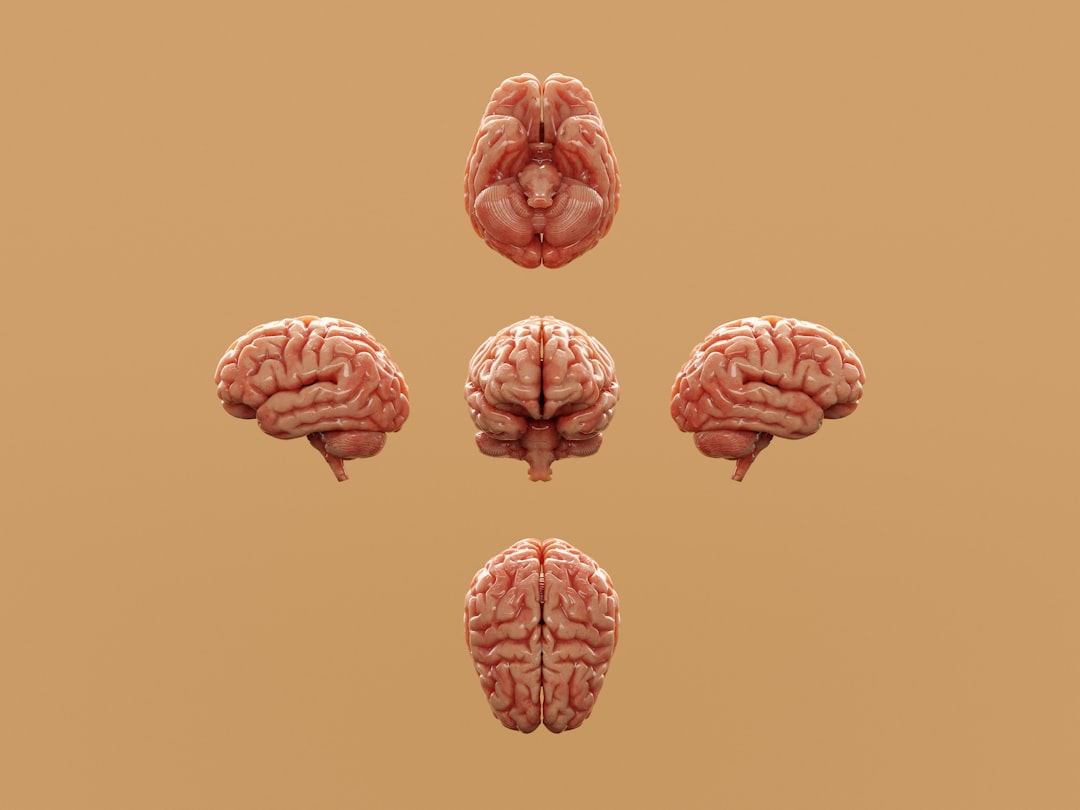
Think of the brain after stroke like a city after a blackout. Some power lines are down. Others are flickering.
Acupuncture may act like a soft reset — sending small signals that help reroute communication.
Scalp acupuncture, for example, targets brain areas tied to movement. It’s like tapping the control center directly.
Body needles may reduce muscle stiffness — easing the “traffic jam” between brain and limb.
For regaining daily skills — eating, dressing, bathing — the long-term winner was again: standard care + body + electroacupuncture.
This combo ranked highest (99 out of 100 in effectiveness score).
For short-term gains, adding scalp and body acupuncture gave faster relief from arm tightness — a major win for comfort and function.
That’s not the full story
Not every combo worked equally.
No single acupuncture method helped across all areas.
And the benefits depended heavily on how long and how often it was used.
This study doesn’t prove acupuncture cures stroke damage. But it does suggest certain combinations, at certain times, can boost recovery when added to standard care.
Experts say the data support acupuncture as a support tool — not a replacement.
It fits a growing trend: personalized rehab, where timing and method are matched to the patient’s stage.
If you or a loved one is recovering from stroke, this isn’t a green light to rush to an acupuncturist.
Most insurance plans don’t cover these specific combos. And not all providers use these exact methods.
But it does give patients a stronger case to discuss acupuncture with their rehab team.
Ask: Could this help — and is it safe for me?
The limits
Many studies were small. Some were in Chinese, with less rigorous design.
Most didn’t track patients beyond a few months.
And while side effects were rare, the data aren’t complete.
This was a review — not a single trial — so real-world results may vary.
What happens next
Right now, no major U.S. stroke guideline includes acupuncture as a standard add-on.
But this study may push experts to take another look.
Next steps? Larger, longer trials — especially in diverse populations.
Until then, the message is clear: timing and combo matter. And hope for better recovery keeps growing.