Glioblastoma (GBM) is the most common and aggressive primary brain tumor in adults. Despite surgery, radiation, and chemotherapy, the average survival is roughly 14 to 16 months.
The standard tools doctors use to predict outcomes—like a patient’s age or certain tumor features—are imperfect. They don’t fully explain why some tumors are more relentless than others.
This leaves patients and families in a difficult limbo, unsure of how to prepare or what treatment intensity is right for them. A better forecasting tool is desperately needed.
The Old Way vs. The New Clue
Traditionally, prognosis has relied on broad categories. But what if the tumor itself held a more precise secret?
Scientists have been searching for biological markers—specific molecules in the tumor that act like fingerprints, revealing its true nature. One protein, named PINK1, has emerged as a promising candidate.
Early research hinted that higher levels of PINK1 in a glioblastoma were linked to more aggressive disease. But a hint isn’t enough to change medical practice.
Here’s the twist.
This new study isn’t just another hint. It’s a dedicated, real-world test to see if that early signal holds up. Researchers are moving from a small, preliminary observation to a formal validation in a diverse group of patients.
Think of a cell as a tiny factory. Its mitochondria are the power plants, producing energy. PINK1 is like a foreman for those power plants.
When a cell is stressed or damaged, PINK1 activates. It helps clean up broken-down power plants (a process called mitophagy) and manages the cell’s response to the damage. In some cancers, this foreman might be working overtime.
Scientists believe that in glioblastoma, too much PINK1 activity might help the tumor cells survive the harsh environment of the brain and resist treatments. It could be flipping a “survival switch” that makes the tumor tougher.
A Snapshot of the Study
To test this, a team across four major hospitals in Bogotá, Colombia, launched the “PINK1-GBM” study. They plan to enroll at least 26 to 50 adults newly diagnosed with this type of brain tumor.
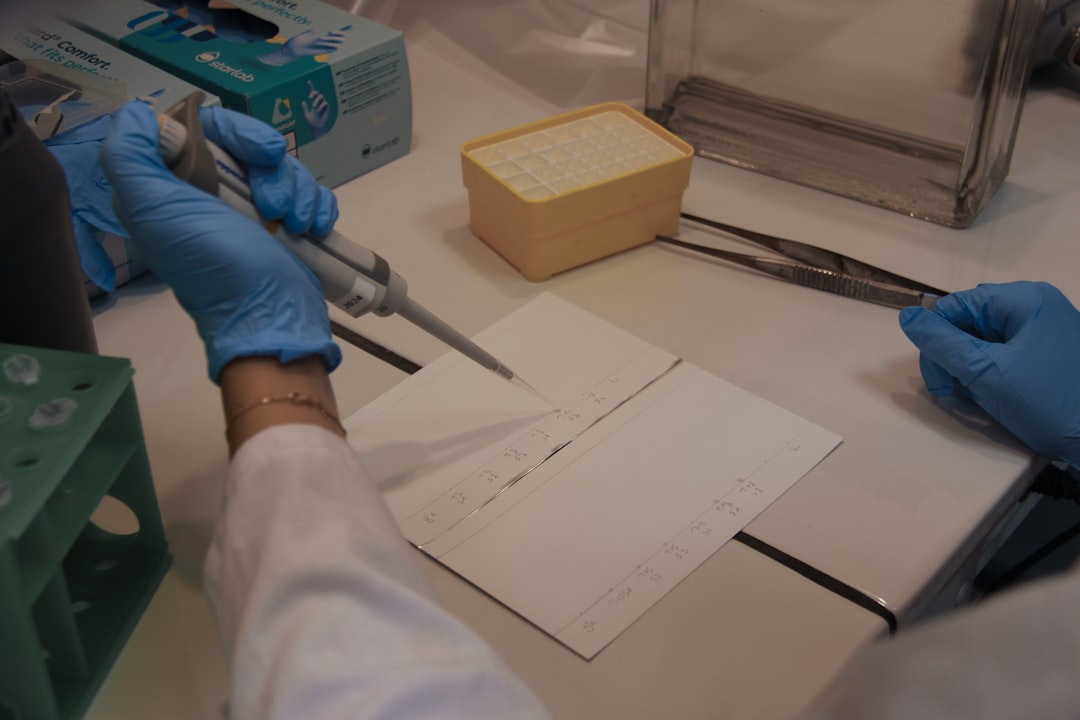
After patients have standard surgery to remove the tumor, researchers will take a small piece of that tissue. Using a special stain, they will measure how much PINK1 protein is inside the cancer cells.
Then, they will follow these patients for two years, tracking two crucial things: how long they live (overall survival) and how long before the tumor shows signs of growing back (progression-free survival).
While the final results are pending, the study’s design confirms the high-stakes question. The core finding they are seeking is a clear link.
If their hypothesis is correct, patients whose tumors have high PINK1 levels will have significantly shorter survival times and faster tumor recurrence than those with low levels.
The goal is to translate complex lab data into a simple, powerful insight for clinicians. A high PINK1 score could become a red flag, signaling the need for more vigilant monitoring or different treatment approaches.
But there’s a catch.
This doesn’t mean this test is available yet. This study is the critical middle step between an exciting idea and a tool in the clinic. Its entire purpose is to prove whether PINK1 is a consistent and reliable marker in a real-world patient group.
The Expert Perspective
Studies like this are the backbone of medical progress. Moving a potential biomarker from a research lab into clinical validation is a rigorous, essential process. It ensures that when a test is offered, doctors can trust what it’s telling them about an individual patient’s disease.
What This Means for You Today
If you or a loved one is facing a glioblastoma diagnosis, you cannot ask for a PINK1 test. It remains a research tool.
However, this study represents active, meaningful progress. It means scientists are focused on solving the problem of unpredictability. You can ask your doctor about any prognostic tests or clinical trials available at your center.
The most important step is having open conversations with your medical team about your specific goals and the treatment path that aligns with them.
Understanding the Limits
This study has important limitations to keep in mind. It is observational, meaning it looks for associations but does not prove that PINK1 causes worse outcomes. The sample size, while appropriate for this phase, is still modest.
Furthermore, the study is being conducted in one specific region. The results will need to be confirmed in other, larger global populations to be widely applicable.
The research path is long but clear. If this study validates PINK1 as a strong prognostic marker, the next steps would be larger, multi-national studies. Eventually, this could lead to the development of a standardized diagnostic test that pathologists could run on tumor samples.
Further down the line, understanding why PINK1 is linked to aggression could open entirely new doors. If it’s a key survival switch for the tumor, it might itself become a target for new drugs.
For now, the work is in careful validation—building the evidence, one patient at a time, to hopefully bring more clarity to every difficult conversation that follows a glioblastoma diagnosis.