Mode
Text Size
Log in / Sign up

FDA Approves Phesgo (pertuzumab, trastuzumab, hyaluronidase) for HER2-Positive Breast Cancer

FDA Approves Phesgo (pertuzumab, trastuzumab, hyaluronidase) for HER2-Positive Breast Cancer
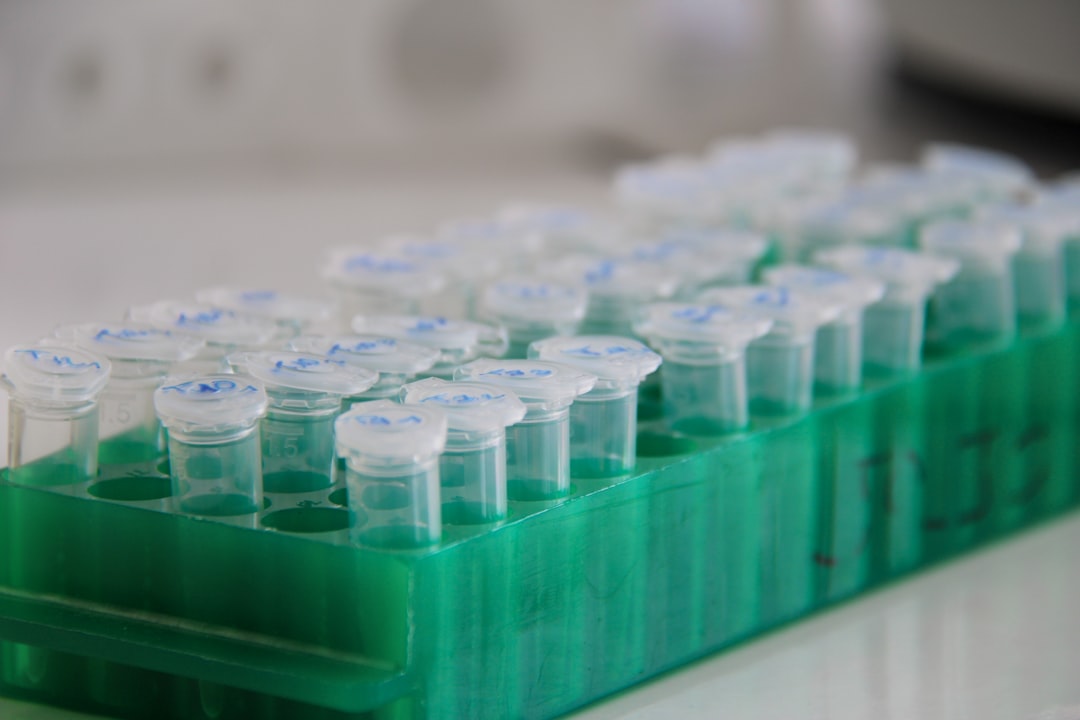
Photo by Zhang liven / Unsplash
Key Takeaway
Consider Phesgo as a subcutaneous alternative to intravenous pertuzumab and trastuzumab for HER2-positive breast cancer.

The FDA has approved Phesgo (pertuzumab, trastuzumab, and hyaluronidase) for subcutaneous use in combination with chemotherapy for the treatment of adult patients with HER2-positive breast cancer. The approval covers both early breast cancer (EBC) and metastatic breast cancer (MBC). For EBC, Phesgo is indicated as neoadjuvant treatment for locally advanced, inflammatory, or early stage disease (tumor >2 cm or node positive) and as adjuvant treatment for high-risk recurrence. For MBC, it is indicated in combination with docetaxel for patients who have not received prior anti-HER2 therapy or chemotherapy for metastatic disease. Phesgo offers a subcutaneous alternative to intravenous pertuzumab and trastuzumab, with a fixed dosing schedule that does not require weight-based adjustments. The initial dose is 1,200 mg pertuzumab, 600 mg trastuzumab, and 30,000 units hyaluronidase administered over approximately 8 minutes, followed by maintenance doses of 600 mg pertuzumab, 600 mg trastuzumab, and 20,000 units hyaluronidase every 3 weeks over approximately 5 minutes. Clinicians should note that Phesgo is not interchangeable with intravenous pertuzumab or trastuzumab products.

Clinical Details (Mechanism · Dosing · Trial Data · Warnings)
Mechanism of Action

Phesgo is a combination of pertuzumab and trastuzumab, both HER2/neu receptor antagonists, and hyaluronidase, an endoglycosidase. Pertuzumab and trastuzumab bind to different epitopes of the HER2 receptor, inhibiting downstream signaling and mediating antibody-dependent cell-mediated cytotoxicity. Hyaluronidase increases permeability of subcutaneous tissue by temporarily depolymerizing hyaluronan, facilitating drug absorption.

Indication & Patient Population

Phesgo is indicated for use in combination with chemotherapy for: - Neoadjuvant treatment of adult patients with HER2-positive, locally advanced, inflammatory, or early stage breast cancer (either >2 cm in diameter or node positive) as part of a complete treatment regimen for early breast cancer. - Adjuvant treatment of adult patients with HER2-positive early breast cancer at high risk of recurrence. - Treatment of adult patients with HER2-positive metastatic breast cancer (MBC) who have not received prior anti-HER2 therapy or chemotherapy for metastatic disease, in combination with docetaxel. Select patients based on HER2 protein overexpression or gene amplification using an FDA-approved companion diagnostic test.

Dosing & Administration

For subcutaneous use in the thigh only. Do not administer intravenously. The initial dose is 1,200 mg pertuzumab, 600 mg trastuzumab, and 30,000 units hyaluronidase in 15 mL administered over approximately 8 minutes. Maintenance doses (every 3 weeks) are 600 mg pertuzumab, 600 mg trastuzumab, and 20,000 units hyaluronidase in 10 mL administered over approximately 5 minutes. No dose adjustments for body weight or concomitant chemotherapy. For EBC, administer with chemotherapy preoperatively for 3-6 cycles (neoadjuvant) or postoperatively for up to 1 year (adjuvant). For MBC, administer with docetaxel every 3 weeks. Observe patients for 30 minutes after initial dose and 15 minutes after maintenance doses for hypersensitivity or administration-related reactions.

Key Clinical Trial Data

Trial data not available in label.

Warnings & Contraindications

Not reported in label.

Place in Therapy

Phesgo provides a subcutaneous fixed-dose combination of pertuzumab and trastuzumab, offering an alternative to intravenous administration. It is indicated for HER2-positive early breast cancer (neoadjuvant and adjuvant) and metastatic breast cancer in combination with chemotherapy. It should not be substituted for or with intravenous pertuzumab, intravenous trastuzumab, ado-trastuzumab emtansine, or fam-trastuzumab deruxtecan.

Study Details

Study typeFda approval
PublishedJun 2020
View Original Abstract ↓
1 INDICATIONS AND USAGE PHESGO is a combination of pertuzumab and trastuzumab, HER2/neu receptor antagonists, and hyaluronidase, an endoglycosidase, indicated for: Use in combination with chemotherapy as: neoadjuvant treatment of patients with HER2-positive, locally advanced, inflammatory, or early stage breast cancer (either greater than 2 cm in diameter or node positive) as part of a complete treatment regimen for early breast cancer. ( 1.1 ) adjuvant treatment of patients with HER2-positive early breast cancer at high risk of recurrence ( 1.1 ) Use in combination with docetaxel for treatment of patients with HER2-positive metastatic breast cancer (MBC) who have not received prior anti-HER2 therapy or chemotherapy for metastatic disease. ( 1.2 ) 1.1 Early Breast Cancer (EBC) PHESGO is indicated for use in combination with chemotherapy for the neoadjuvant treatment of adult patients with HER2-positive, locally advanced, inflammatory, or early stage breast cancer (either greater than 2 cm in diameter or node positive) as part of a complete treatment regimen for early breast cancer [see Dosage and Administration (2.2) and Clinical Studies (14.2) ] . the adjuvant treatment of adult patients with HER2-positive early breast cancer at high risk of recurrence [see Dosage and Administration (2.2) and Clinical Studies (14.2) ] . Select patients for therapy based on an FDA-approved companion diagnostic test [see Dosage and Administration (2.1) ]. 1.2 Metastatic Breast Cancer (MBC) PHESGO is indicated for use in combination with docetaxel for the treatment of adult patients with HER2-positive metastatic breast cancer who have not received prior anti-HER2 therapy or chemotherapy for metastatic disease [see Dosage and Administration (2.2) and Clinical Studies (14.1) ] . Select patients for therapy based on an FDA-approved companion diagnostic test [see Dosage and Administration (2.1) ].
Free Newsletter

Clinical research that matters. Delivered to your inbox.

Join thousands of clinicians and researchers. No spam, unsubscribe anytime.