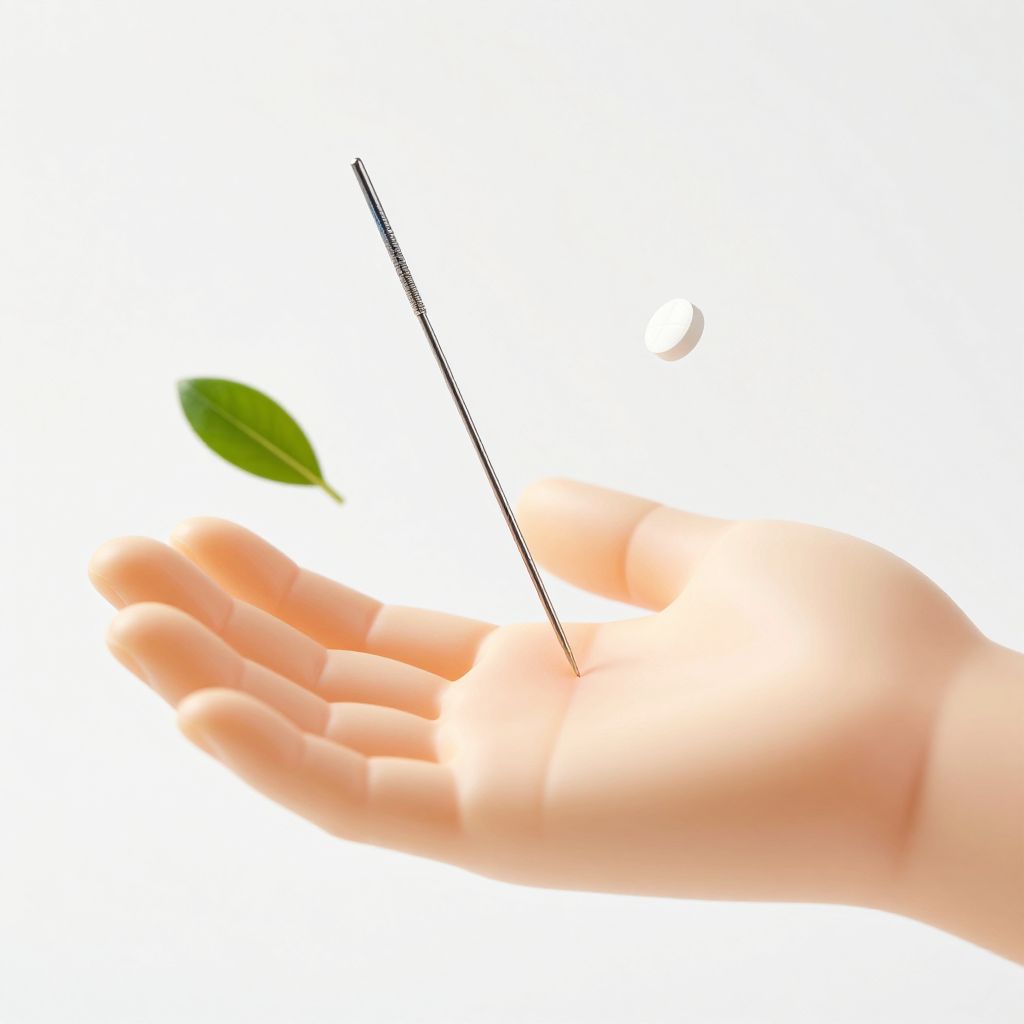
HEADLINE AT-A-GLANCE • Acupuncture plus Chinese herbs cuts cancer pain better than standard treatments • Helps people with moderate to severe pain from cancer care • Not yet standard care; more research needed before wide use
QUICK TAKE Cancer patients using acupuncture combined with Chinese medicine report less pain faster and longer than those on usual care according to a major review of ten studies.
SEO TITLE Acupuncture and Herbs Reduce Cancer Pain Better Than Standard Care
SEO DESCRIPTION A major review finds acupuncture combined with Chinese medicine eases cancer pain more effectively than standard treatments for many patients needing relief.
ARTICLE BODY Sarah felt the pain return every time she moved. After her cancer treatment, even deep breaths hurt her ribs. She tried pills but felt dizzy and sick. Many cancer patients know this struggle.
Cancer pain affects millions globally. It often comes from tumors or harsh treatments like chemo. Standard pain medicines help some people but cause side effects. Many patients feel stuck between pain and feeling unwell.
Doctors usually start with pain pills. Stronger drugs come with risks like addiction or confusion. Patients often need higher doses over time. This leaves many searching for safer options.
But here is new hope. A major review shows combining acupuncture with Chinese herbal medicine works better for many patients.
Why Pain Meds Alone Fall Short Pain pills travel through your whole body. They calm pain signals but also hit other systems. This causes tiredness or stomach problems. Patients sometimes skip doses to avoid these issues making pain worse.
Acupuncture and herbs work differently. Think of your body like a busy highway. Pain signals are traffic jams. Acupuncture acts like traffic controllers. Tiny needles guide energy flow at specific points. Chinese herbs are natural helpers calming the jam without slowing the whole road.
This approach targets pain directly. It supports the body's own healing. Many patients feel relief faster with fewer side effects.
The review studied 884 cancer patients across ten trials. All compared acupuncture plus herbs to standard care. Some trials tested it against pain pills alone. Others compared it to acupuncture without herbs.
Results showed real improvements. Patients using the combined therapy reported less pain intensity. Pain scores dropped by over 1 point on standard scales. This matters because even small drops make daily life easier.
They also got relief faster. Two studies found pain medicine worked 15 minutes quicker when combined with this therapy. Three studies showed pain relief lasted longer by over 2 hours.
Many patients felt better overall. Five trials tracked quality of life. Patients reported more energy and better sleep. Pain stopped controlling their days.
But there is a catch. This doesn't mean this treatment is available yet.
Experts note these studies mostly happened in China. Patient groups were small. Most trials lasted only weeks not months. We need larger global studies to confirm results.
Dr Li Chen a pain specialist not involved in the review says this fits growing evidence. Integrative approaches often help where single treatments fail. He stresses safety matters most. Patients must work with doctors to avoid herb-drug interactions.
What does this mean for you right now. Talk to your cancer care team. Some hospitals already offer acupuncture. Ask if Chinese herbs are safe with your current medicines. Never swap prescribed treatments without medical advice.
The main limitation is the research scope. All trials were short term. Most patients had specific cancer types. Results might not apply to everyone. More diverse long term studies are essential.
Researchers plan larger trials across multiple countries starting next year. They will test different herb combinations and track patients for six months. Approval for wider use depends on these results. Progress takes time to ensure safety and real benefit.
This path offers real promise. Patients deserve pain relief that fits their lives. Science is listening.