Imagine living with a heart condition that puts you at risk for a stroke. Now imagine a device on your wrist that watches your heart beat constantly. This research matters because it asks a simple question: Does using a smartwatch to track your heart rhythm actually help, or does it just find more problems that need fixing? The answer could change how doctors manage patients over 65 who are already at high risk for stroke. These patients often need blood thinners to stay safe, but finding a new heart rhythm issue can change that entire treatment plan.
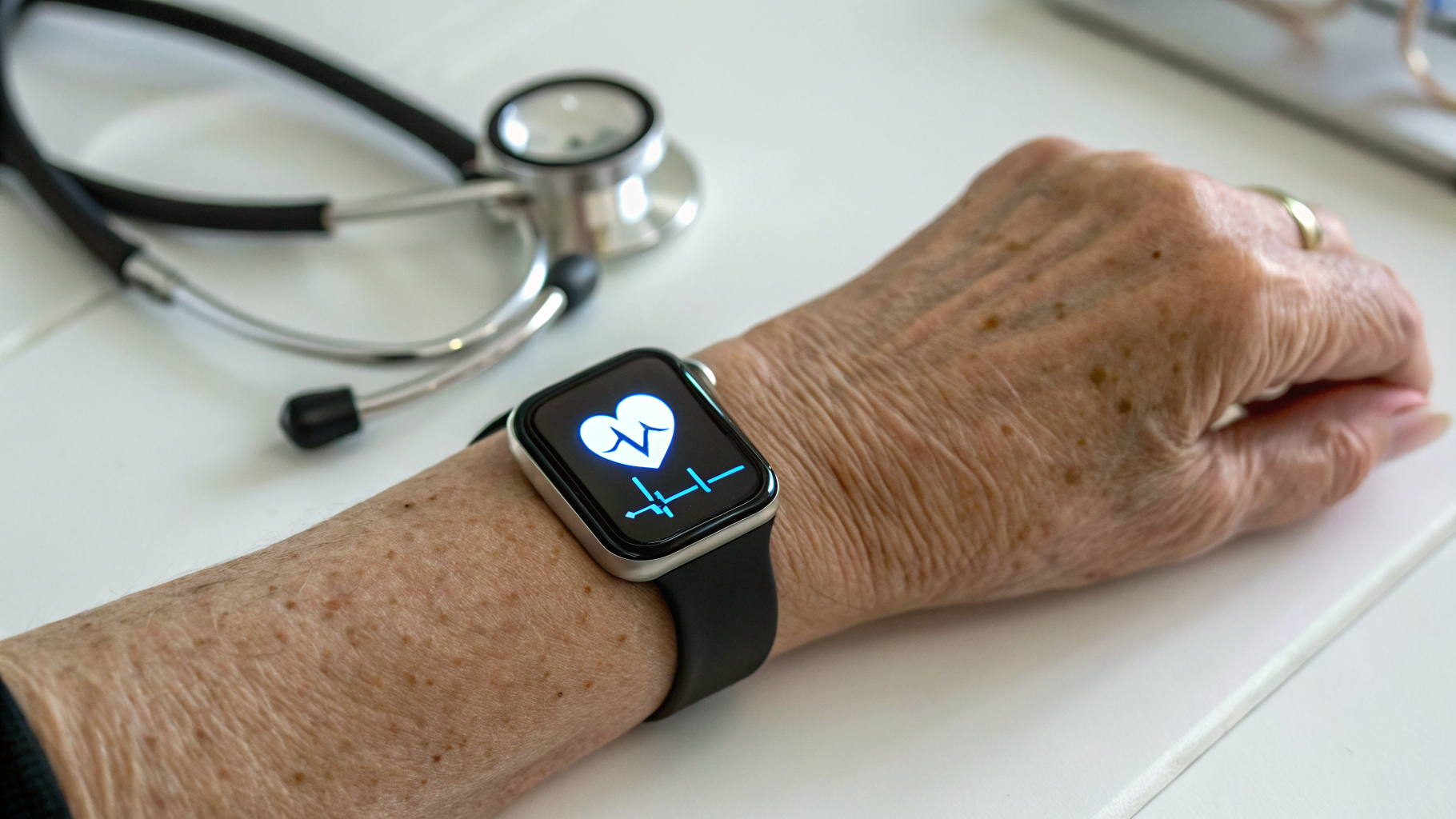
The study looked at 437 patients in hospitals across the Netherlands. All of them were 65 years old or older and had a history of heart disease that put them at risk for stroke. Half of the group wore a smartwatch for six months that could track their heart rhythm using a special light sensor and a single-lead ECG. The other half received standard care, which meant they did not wear this specific monitoring device during the study period. The goal was to see if the smartwatch would find new cases of atrial fibrillation, a common heart rhythm disorder.
After six months, the results were clear. In the group wearing the smartwatch, 21 people were diagnosed with new onset atrial fibrillation. This means their heart rhythm became irregular for at least 30 seconds. In the group receiving standard care, only 5 people were diagnosed with the same condition. The smartwatch group had a risk difference of 7.3 percentage points higher than the control group. In plain terms, the device found nearly four times as many new cases of this rhythm issue compared to the standard care group.
It is important to understand what this finding means for safety. The study did not report any serious side effects or bad events related to wearing the watch. People did not stop using the device because of discomfort or other problems. The device itself was well tolerated. However, the main concern is not physical harm from the watch, but the medical impact of finding more rhythm issues. Finding a new case of atrial fibrillation often leads to starting blood thinners or changing other medications. This can be a good thing to prevent stroke, but it also adds complexity to a patient's daily life.
You should not overreact to this single study. The researchers found a very specific difference between the two groups. The smartwatch group had significantly more diagnoses, but this does not mean the device is broken or dangerous. It simply means the device is very good at its job of looking for rhythm problems. Standard care might miss some of these issues because it does not look as closely. This study highlights a trade-off: better detection comes with more diagnoses. For patients right now, this means that if you are considering a smartwatch for heart monitoring, talk to your doctor about what that extra information might mean for your treatment plan.