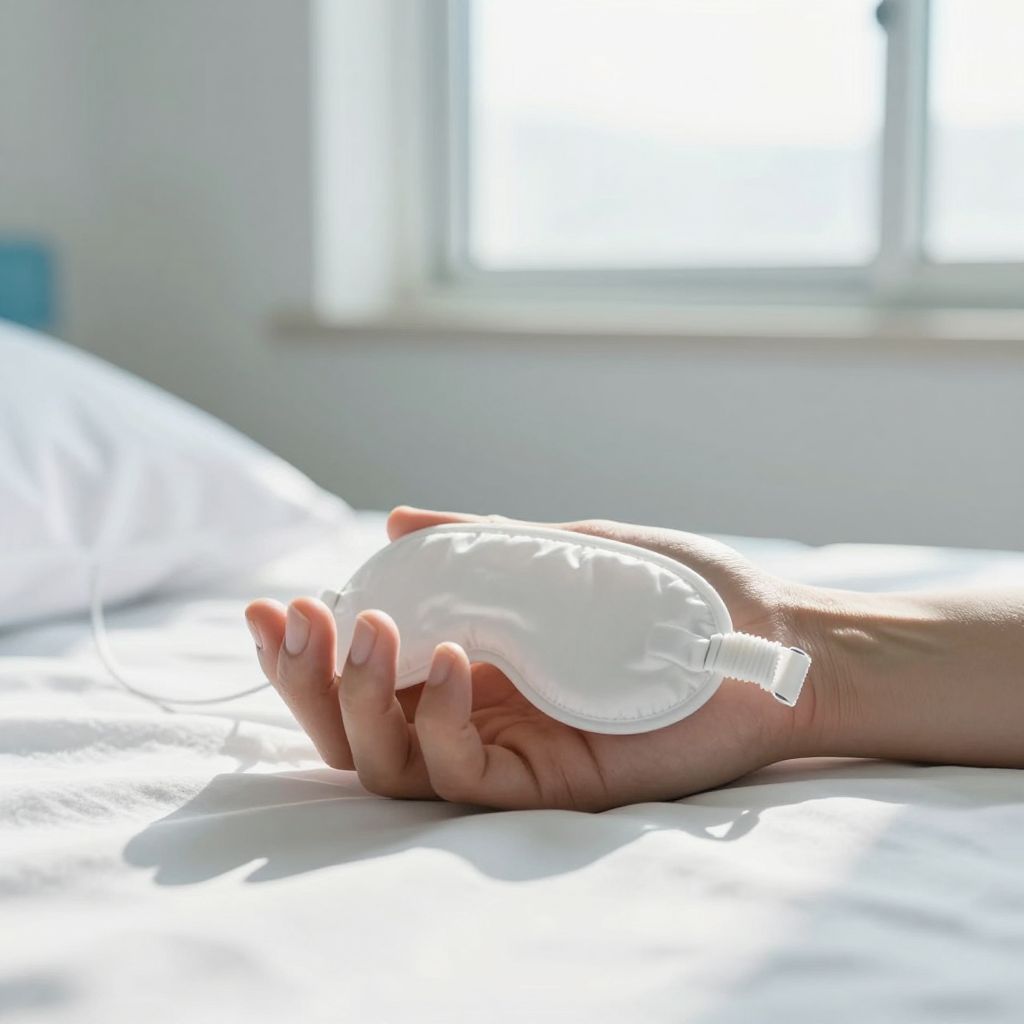
If you or a loved one ends up in the ICU, sleep might be the last thing on your mind. But a new review of the evidence suggests that disrupted sleep and messed-up body clocks could be making things worse.
The review looked at dozens of studies on adult ICU patients and found that poor sleep architecture (the natural cycling between deep and light sleep) is linked to longer time on a ventilator, trouble weaning off breathing support, and even failure of noninvasive ventilation. It's also tied to delirium and signs of acute brain dysfunction.
Beyond the ICU stay, the ripple effects may last. The review reports that circadian rhythm disruption correlates with systemic inflammation, more severe illness, and worse outcomes. And after discharge, sleep problems may contribute to cognitive impairment, psychological distress, fatigue, and a lower quality of life.
But here's the honest caveat: this is a review of associations, not proof of cause and effect. The researchers note that methodological limits remain, and we need rigorous trials to know if fixing sleep in the ICU actually improves outcomes. Still, the evidence is strong enough that sleep and circadian rhythms should be seen as important biomarkers of how sick a patient is and how their brain is functioning.