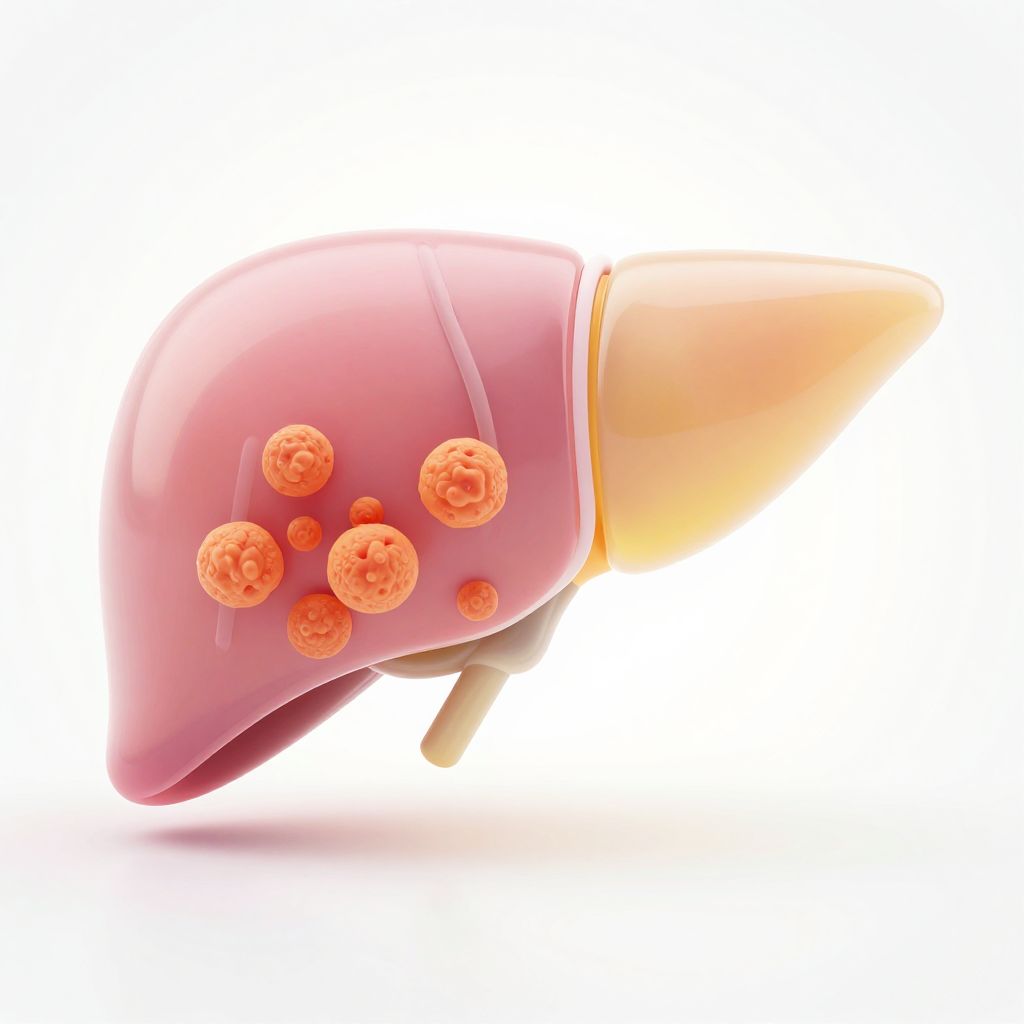
Many people with chronic liver diseases worry about what else might be happening inside their bodies. A new, very large review looked at a specific condition called hepatic steatosis, which is simply the medical term for fatty liver. This fat buildup is common in the general population, but doctors wanted to know if it changes the course of serious autoimmune liver diseases like autoimmune hepatitis, primary biliary cholangitis, and primary sclerosing cholangitis. The answer depends entirely on which disease a person has.
The researchers combined data from many different studies to get a clear picture. They looked at nearly 20,000 patients in total. This is a huge number that gives us confidence in the results. They compared people who had fatty liver alongside their autoimmune disease against those who did not. They wanted to see if the extra fat made the disease progress faster or made treatments work less well.
The numbers show that fatty liver is quite common in these conditions. About 27% of patients with autoimmune hepatitis had fatty liver. The rate was even higher, around 33%, for those with primary biliary cholangitis. For primary sclerosing cholangitis, the rate was lower, at about 22%. However, having this extra fat in the liver did not make the disease get worse for everyone. For patients with primary biliary cholangitis, having fatty liver did not change how their disease progressed or how well they responded to treatment.
The situation was different for autoimmune hepatitis. Patients with this disease who also had fatty liver faced a higher risk of serious problems. Specifically, they were 60% more likely to experience hepatic decompensation, a term that means the liver stops working properly and cannot filter the blood. They were also 80% more likely to develop hepatocellular carcinoma, which is liver cancer. This is a significant difference that doctors need to watch for.
There is one important gap in the data. The researchers could not fully study the link between fatty liver and outcomes for primary sclerosing cholangitis. There simply were not enough records of patients with this specific combination of conditions. Because of this missing information, we cannot say for sure if fatty liver hurts patients with primary sclerosing cholangitis in the same way it hurts those with autoimmune hepatitis.
For patients with autoimmune hepatitis, this study is a clear warning. If you have this disease and also have fatty liver, your risk of severe liver failure and cancer is higher. You should talk to your doctor about managing the fat in your liver, perhaps through diet or weight loss, to lower those risks. For patients with primary biliary cholangitis, the news is less urgent regarding the fat itself, as it did not seem to change their treatment response or disease course. Always discuss your specific situation with your healthcare team.