Mode
Text Size
Log in / Sign up

8-week home biofeedback system equivalent to 16-week for fecal incontinence in women

8-week home biofeedback system equivalent to 16-week for fecal incontinence in women
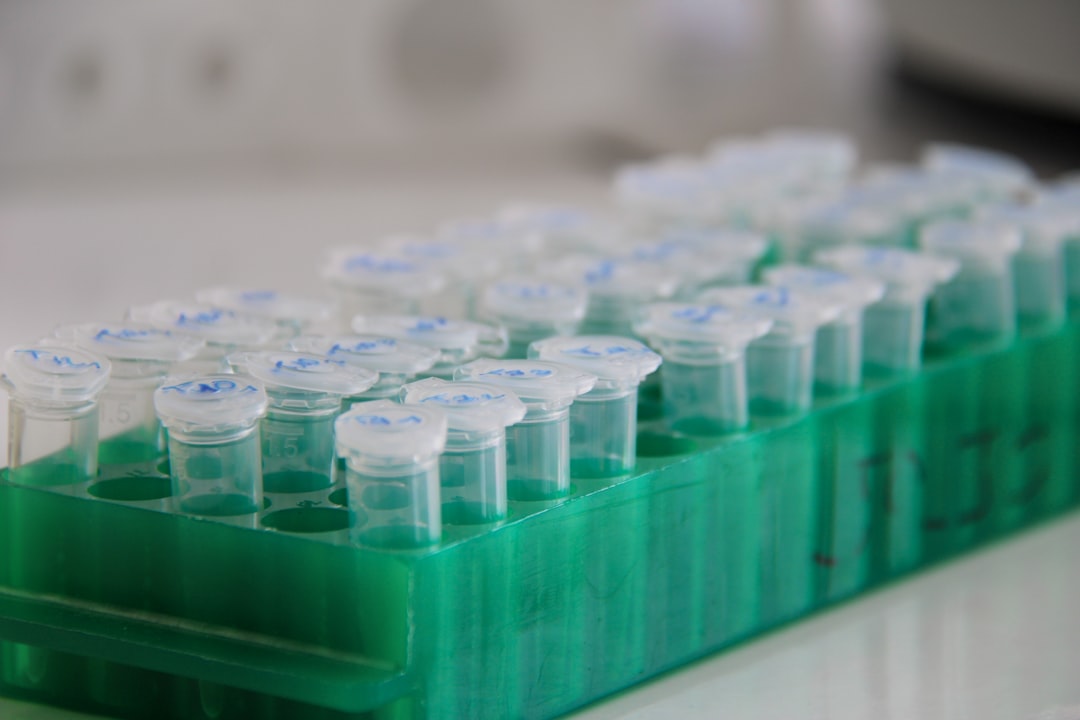
Photo by Mindfield Biosystems / Unsplash
Key Takeaway
Consider 8-week home biofeedback as potentially equivalent to 16-week for FI in women, but evidence is preliminary.

This single-blind, equivalence randomized clinical trial enrolled 38 women with fecal incontinence (FI), with 36 (18 per arm) providing complete data. Participants had a mean age of 62.4 years, and 97.3% were non-Hispanic White. The study compared an 8-week duration versus a 16-week duration of the same home-based digital therapeutic pelvic health system, which included biofeedback and optional remote health coaching with twice-daily exercises. The primary outcome was change in FI severity measured by the Vaizey score from baseline to 16 weeks.

Both treatment durations led to significant improvement in FI severity over time. The 8-week group had a mean score change of -4.7 (±5.1), and the 16-week group had a change of -4.8 (±4.5). The between-group difference was not statistically significant (P = 0.918), indicating equivalence. The improvements in both groups met the threshold for the minimal clinically important difference for the Vaizey score.

Safety and tolerability data were not reported. The study has several key limitations, including a small sample size (targeted 15 per arm, achieved 18 per arm), limited demographic diversity (predominantly non-Hispanic White women), and a follow-up period limited to 16 weeks. Funding sources and conflicts of interest were not reported.

For practice, this preliminary evidence suggests that an 8-week home-based biofeedback program may be as effective as a 16-week program for improving FI symptoms in the short term among a specific patient population. However, clinicians should interpret these results cautiously due to the small study size and lack of generalizability. The findings highlight a potential avenue for more efficient treatment delivery but require validation in larger, more diverse trials with longer follow-up.

Study Details

Study typeRct
Sample sizen = 15
EvidenceLevel 2
Follow-up1.8 mo
PublishedApr 2026
View Original Abstract ↓
IMPORTANCE: Access to biofeedback, a first-line treatment for fecal incontinence (FI), is limited. OBJECTIVE: The objective of this study was to evaluate whether an 8-week duration of a home-based digital therapeutic pelvic health system to treat FI in women is equivalent to a 16-week duration. STUDY DESIGN: We conducted a single-blind, randomized, equivalence trial in women with FI. Participants were randomized to 8 or 16 weeks of twice-daily exercises using the system and could opt to participate in remote health coaching. The primary outcome was the change in FI severity as measured by the Vaizey score from baseline to 16 weeks. Our target sample size was 15 participants per arm. Paired t test, χ2 test, and McNemar-Bowker test compared differences over time and between groups. RESULTS: Among 38 women enrolled, 36 (18 per arm) provided complete data. All received allocated treatment, with a mean adherence of 75.2%. Most participants identified as non-Hispanic White (97.3%), with a mean age of 62.4 ± 15.4 years and a mean body mass index 29.5 ± 8.9. Baseline FI severity was high and improved significantly over time in both groups. Treatment duration of 8 weeks was equivalent to 16 weeks with changes in Vaizey scores that reached the minimal clinically important difference in both groups (-4.7 ± 5.1 vs -4.8 ± 4.5, P = 0.918). CONCLUSIONS: FI outcomes improved significantly with a home-based pelvic health system with biofeedback and remote health coaching used for either 8 or 16 weeks, without significant differences between groups.
Free Newsletter

Clinical research that matters. Delivered to your inbox.

Join thousands of clinicians and researchers. No spam, unsubscribe anytime.