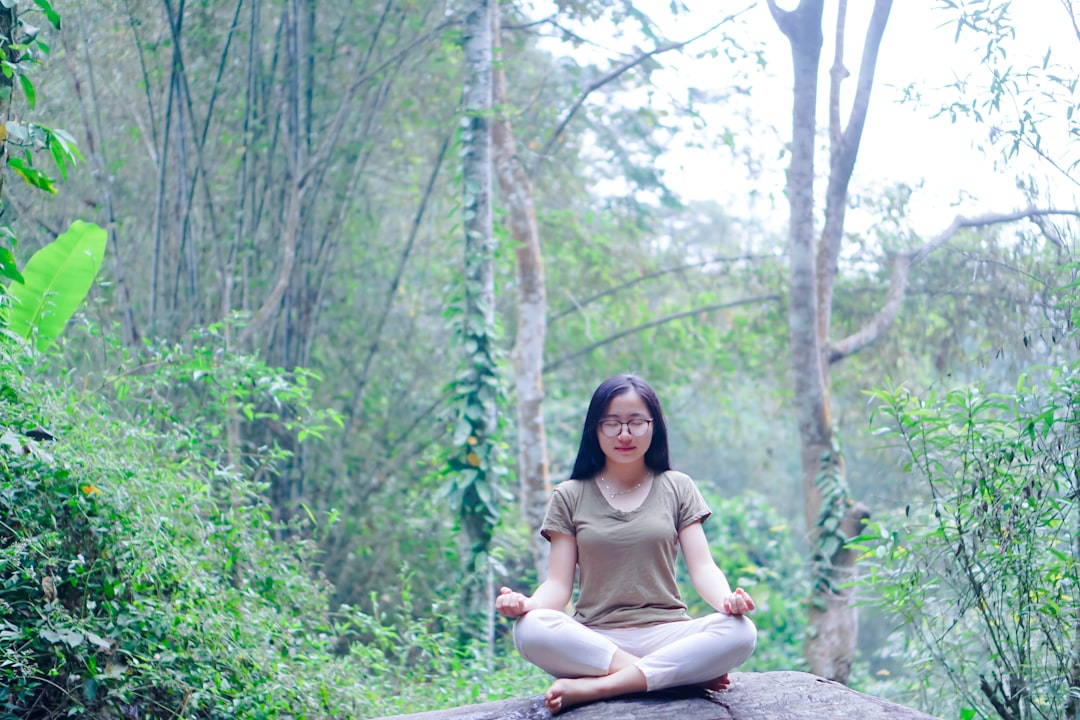
A Quiet Mind in Just 10 Minutes?
Imagine sitting down for ten minutes—less time than it takes to brew a pot of coffee—and walking away with a clearer head and less worry. For many of us, stress feels like a constant hum in the background. Our minds race with to-do lists, worries about the future, and replaying conversations from yesterday. It’s exhausting.
But what if a simple, free, and incredibly short practice could help turn down the volume on that mental noise? A new study suggests this is not just wishful thinking. Researchers found that a daily, 10-minute meditation practice led to real, measurable improvements in anxiety, focus, and overall well-being.
Mental health challenges are on the rise. More people report feeling anxious, stressed, and overwhelmed than ever before. Yet, getting help can be tough. Therapy is expensive, finding a good therapist can take months, and many people feel they "don't have time" for long wellness routines.
This study addresses that gap directly. It tests a "low-burden" intervention—something so easy to fit into a day that almost anyone can do it. The goal wasn't to replace therapy or medication, but to offer a scalable, accessible tool for the millions of people dealing with subclinical symptoms—the low-grade but persistent stress and worry that doesn't necessarily require a diagnosis but still impacts quality of life.
The Old Way vs. The New Way
We often think of meditation as something monks do on a mountaintop for hours on end. The old belief was that to get any benefit, you needed to commit to a major lifestyle change. This created a high barrier to entry. If you couldn't dedicate 30 or 60 minutes a day, what was the point?
But here’s the twist: this study throws that idea out the window. It tested an "ultra-brief" program. The researchers didn't ask for a hour of quiet time. They asked for just 10 minutes. This flips the script, suggesting that consistency might be more important than duration. It’s not about the marathon; it’s about showing up for a quick sprint every single day.
How a Tiny Habit Creates Big Change
So, how can something so short actually work? Think of your mind like a busy highway. Most of the time, it’s a chaotic traffic jam of thoughts—worries about work, plans for dinner, that embarrassing thing you said in 2012. This is what researchers call "mind wandering" or "rumination."
Meditation acts like a traffic controller. The specific type used here is called "focused-attention meditation." The practice is simple: you focus on one thing, usually the sensation of your breath. When a thought (a car) inevitably swerves into your awareness, you don't get angry. You just notice it, and gently guide your attention back to the breath.
Every time you do this, you're strengthening a mental muscle. You're training your brain to have better control over its attention. Over time, the traffic on your mental highway becomes less chaotic. You're better able to notice when you're spiraling into worry and can redirect yourself back to the present moment. It’s not about stopping thoughts entirely, but about not letting them hijack your day.
A Look Inside the Study
Researchers designed a fully remote randomized controlled trial to see if this "digital meditation" approach held up in the real world. They enrolled 299 adults who had never meditated before.
Participants were split into two groups. One group started the meditation program right away. The other group was put on a waitlist, acting as a comparison. Over 16 weeks, the meditation group was instructed to practice for at least 10 minutes every day for 8 weeks. To measure the effects, the study used a mix of tools: standard psychological questionnaires, web-based brain games to test focus, and even data from wearable devices to track things like heart rate and sleep.
The results were clear and encouraging. Across the board, people who meditated saw significant improvements.
First, anxiety and mind wandering went down. These weren't tiny changes; they were meaningful reductions that held steady even during an 8-week follow-up period after the formal practice ended. This suggests the benefits stick around.
Second, the people who needed the most help benefited the most. Those who started with higher anxiety or more trouble sleeping saw the biggest improvements. For people with poor sleep, their sleep quality got noticeably better. For those with lower cognitive scores at the start, their focus and performance on brain games improved.
Finally, there were even small physical signs of change. Participants showed a slight reduction in their resting heart rate, hinting that a calmer mind can lead to a calmer body.
But There's a Catch
This all sounds great, right? It’s important to remember what this study was not. It was a study of healthy adults, not people with diagnosed clinical disorders like major depression or generalized anxiety disorder. While the results are promising for managing everyday stress, this is not a treatment for serious mental illness.
The study also relied on self-reporting, meaning participants tracked their own progress, which can sometimes be subjective. And because it was done remotely, researchers couldn't control everything. People’s lives are messy, and it's possible some participants weren't perfectly consistent with their 10-minute daily practice.
The Bigger Picture
Experts see this study as a powerful piece of evidence for the future of mental wellness. We are in an age of digital health, where our phones can be tools for good. This research shows that a well-designed, app-based program can deliver real benefits without needing a therapist in the room.
It supports a shift in thinking: mental health isn't just about treating crises. It's also about prevention and building resilience. A tool like this could be a first line of defense, helping people build the skills to manage stress before it becomes a bigger problem. It’s a low-cost, low-risk way to invest in your long-term mental health.
If you're looking for a way to manage daily stress, this study gives you a green light to try a short, daily meditation practice. You don't need to commit to a 30-minute session or find a special studio. You just need 10 minutes and a quiet spot.
This doesn’t mean you should throw away your therapy appointments or stop taking prescribed medication.
Think of it as a supplement to your existing wellness toolkit, not a replacement. If you're struggling, the first and most important step is always to talk to a doctor or a mental health professional. But if you're looking for a simple, evidence-backed habit to add to your day, setting a timer for 10 minutes of focused breathing is a fantastic place to start.
So, what's next? This study is a strong foundation, but it's just the beginning. The next step is to see if these results can be replicated in larger, more diverse groups of people. Researchers will also want to explore if different types of meditation work better for different people, or if 10 minutes is truly the magic number.
While there's no set timeline for when a "prescription" for digital meditation might become common, studies like this are paving the way. They show us that powerful tools for well-being can be simple, accessible, and fit right in our pockets. The journey to a calmer, more focused mind might just start with a single, 10-minute breath.