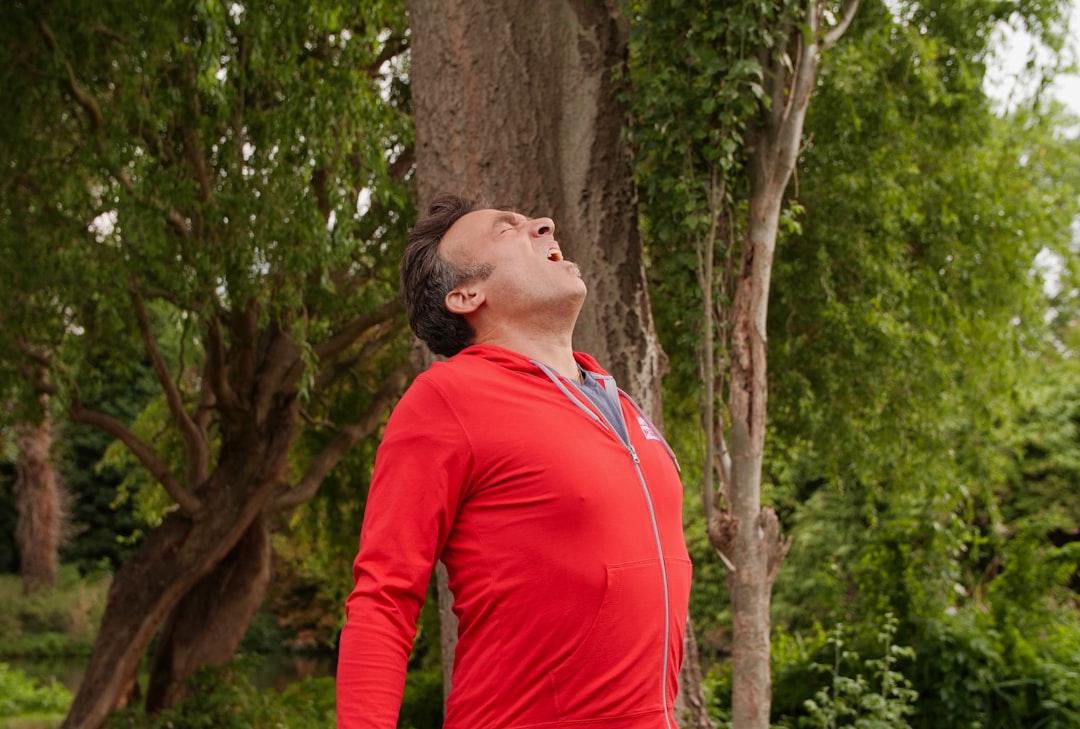
A simple coaching program teaches people with severe COPD how to manage breathlessness without relying only on medication.
Imagine walking from your bedroom to the kitchen and feeling like you just ran a race. For millions of people with COPD, this is a daily reality.
COPD, or chronic obstructive pulmonary disease, is a lung condition that makes it hard to breathe. It often gets worse over time. About 16 million Americans have it, and many more may be undiagnosed.
Current treatments include inhalers and oxygen therapy. But these don’t always solve the feeling of breathlessness that limits daily life. That’s where this new approach comes in.
The Old Way vs. The New Way
For years, doctors focused mainly on medication to treat COPD. Breathlessness was seen as just a symptom to manage with drugs.
But this study takes a different path. It focuses on teaching patients skills to manage their own breathing.
Here’s the twist: the program doesn’t use any new medicine. Instead, it uses coaching, breathing exercises, and simple lifestyle changes.
Think of breathlessness like a traffic jam. Your lungs are the road, and the air can’t move freely. Medication might clear one lane, but the jam still exists.
This program teaches drivers—patients—how to take side streets, leave earlier, and avoid rush hour. In other words, it gives them tools to work around the problem.
The program includes:
- Breathing techniques to slow down air movement
- Using a handheld fan to cool the face and reduce the urge to gasp
- Gentle exercise to build stamina
- Tips to save energy during daily tasks
- Advice on eating well to maintain strength
These are simple strategies, but together they can make a big difference.
Researchers in Australia studied 113 people with moderate to severe COPD. All had significant breathlessness that limited their daily activities.
Half received the 8-week coaching program. The other half were placed on a waitlist and received usual care.
The study measured changes in how well patients controlled their breathlessness, their fatigue levels, and their emotional well-being.
Patients in the coaching group felt more in control of their breathing. On a standard breathing questionnaire, their scores improved by half a point more than the control group.
They also reported less breathlessness during daily activities. The intensity of their breathlessness dropped by nearly one full point on a 10-point scale.
Even the unpleasantness of breathlessness—how bad it felt—improved significantly.
Fatigue levels also went down. This is important because tiredness often goes hand-in-hand with breathlessness.
This doesn’t mean this treatment is available yet.
While the study is promising, experts caution that more research is needed. The program was tested in a controlled setting, and real-world results may vary.
Still, the approach aligns with growing interest in non-drug therapies for chronic disease. It empowers patients to take an active role in their care.
If you have COPD and struggle with breathlessness, talk to your doctor about non-drug strategies. Ask if there are breathing coaches or pulmonary rehab programs in your area.
This study shows that simple techniques can help, but they should be used alongside your current treatment plan—not as a replacement.
The study was small and lasted only 8 weeks. It’s unclear if the benefits last long-term.
Participants were mostly older adults in Australia, so results may not apply to everyone.
The program requires regular coaching, which may not be available in all areas.
Researchers plan to study whether these benefits last beyond 8 weeks. They also want to test the program in larger groups and in different countries.
If successful, this approach could become a standard part of COPD care. For now, it offers hope that simple skills can make daily life easier for those with severe COPD.