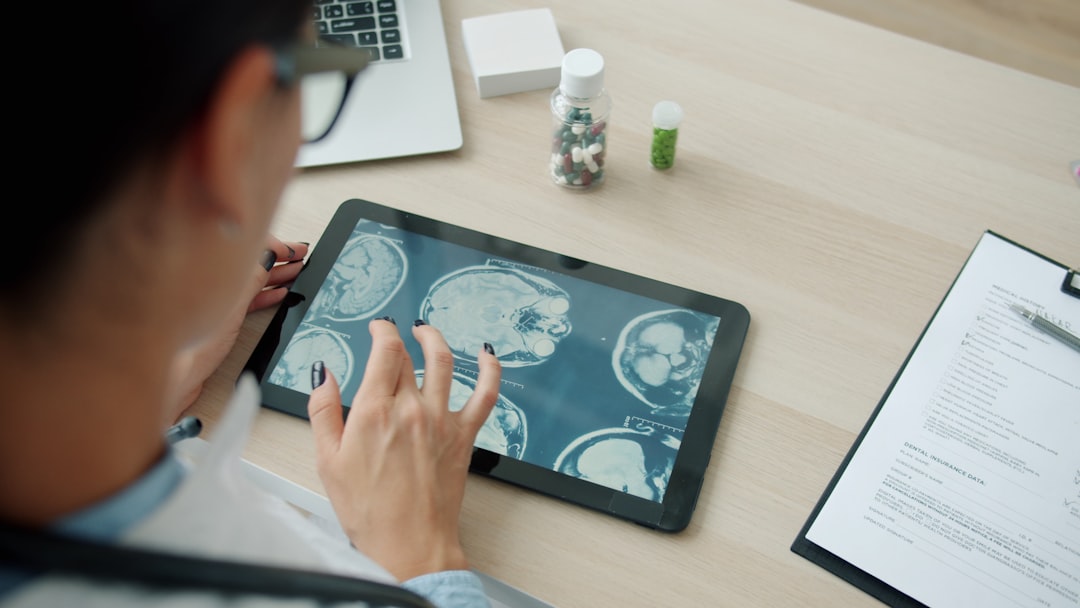
Learning to read medical images is a complex task that requires precision and confidence. A review of 29 different studies looked at how artificial intelligence, including machine learning and generative AI, impacts the way radiology students and professionals are trained. The goal was to see if these tools actually help people learn the ropes of medical imaging.
The findings were encouraging. Out of the studies reviewed, 86% reported positive or improved educational outcomes. These outcomes included better skill development, higher engagement, and improved performance. Specifically, skill development was the most common area of success. The research also looked at how AI helps with things like confidence and getting ready for real-world clinical work.
While the results are positive, there are hurdles to clear. The review noted several challenges, such as the risk of AI hallucinations, the need for better faculty expertise, and the importance of ethical oversight. Because the technology is still evolving, experts say we need standardized teaching plans and better infrastructure to make sure these tools are used safely and effectively in classrooms.