
Black participants less represented in US heart failure registries than in clinical trials
Heart failure registries included fewer Black participants than clinical trials in US study
A systematic review and meta-analysis of 62 US heart failure trials and 15 registries (2010-2019) found Black participants were significantl…
Heart failure registries in the US included fewer Black participants than clinical trials, revealing a gap in real-world research representa…

COVID-19 was the third leading cause of death in the United States in 2021
COVID-19 was the third leading cause of death in the United States in 2021
A 2021 U.S. mortality data report indicates COVID-19 was the third leading cause of death, following heart disease and cancer. This observat…
In 2021, COVID-19 remained the third leading cause of death in the United States, trailing only heart disease and cancer.

Robotic PCI system shows feasibility in small study of complex coronary lesions
Can a robot help fix complex heart blockages? An early test shows promise.
A prospective single-center single-arm trial of 20 patients with unstable angina and complex coronary anatomy evaluated the ETcath200 roboti…
A new robot system helped doctors successfully clear complex heart blockages in 16 out of 20 patients without major complications during an …

Observational study finds 49% AKI incidence in fulminant myocarditis patients, identifies risk factors
Nearly half of patients with severe heart inflammation develop kidney injury
A single-center observational cohort of 408 fulminant myocarditis patients found 201 (49.2%) developed AKI. Male gender, elevated NT-pro BNP…
Nearly half of patients with severe heart inflammation develop kidney injury, a risk linked to male gender and weaker heart pumping ability.
Review suggests TWEAK-Fn14 axis contributes to brain injury and cardiac dysfunction pathology
Review explores protein link between brain and heart diseases
A systematic review summarizes evidence on the TWEAK-Fn14 signaling pathway in cardio-cerebrovascular diseases. The review reports that TWEA…
High levels of two specific proteins linked to brain swelling and heart scarring may offer a future target for treating brain-heart syndrome…

Systematic review explores pathogenesis and emerging treatments for sepsis-induced cardiomyopathy
Review explores potential new treatments for sepsis-related heart problems
A systematic review examined the pathogenesis and treatment landscape for sepsis-induced cardiomyopathy in patients with severe sepsis. The …
New approaches targeting inflammation, calcium, and energy metabolism show potential for treating heart damage in severe sepsis patients.

Machine learning shows moderate accuracy for predicting AF recurrence after catheter ablation in meta-analysis
Can AI predict if your irregular heartbeat will return after treatment?
A systematic review and meta-analysis of 17 studies found machine learning algorithms achieved a mean AUC of 0.81 for predicting atrial fibr…
Artificial intelligence can predict if an irregular heartbeat will return after treatment with an average accuracy score of 0.81, though res…

PAC use in cardiogenic shock associated with lower mortality but higher sepsis risk in meta-analysis
Can a heart monitor help people survive cardiogenic shock?
A meta-analysis of 14 observational studies including 789,553 adults with cardiogenic shock found pulmonary artery catheterization (PAC) use…
A heart monitor linked to lower death rates in cardiogenic shock also raises infection risks and the need for stronger research.

Preliminary U.S. data links underlying health conditions to higher COVID-19 severity risk
Early U.S. data suggests certain health conditions may increase severe COVID-19 risk.
A preliminary U.S. observational report suggests patients with COVID-19 who have underlying conditions like diabetes, cardiovascular disease…
Early U.S. data suggests people with diabetes, heart disease, lung issues, or who smoke face higher risk for severe COVID-19 requiring hospi…

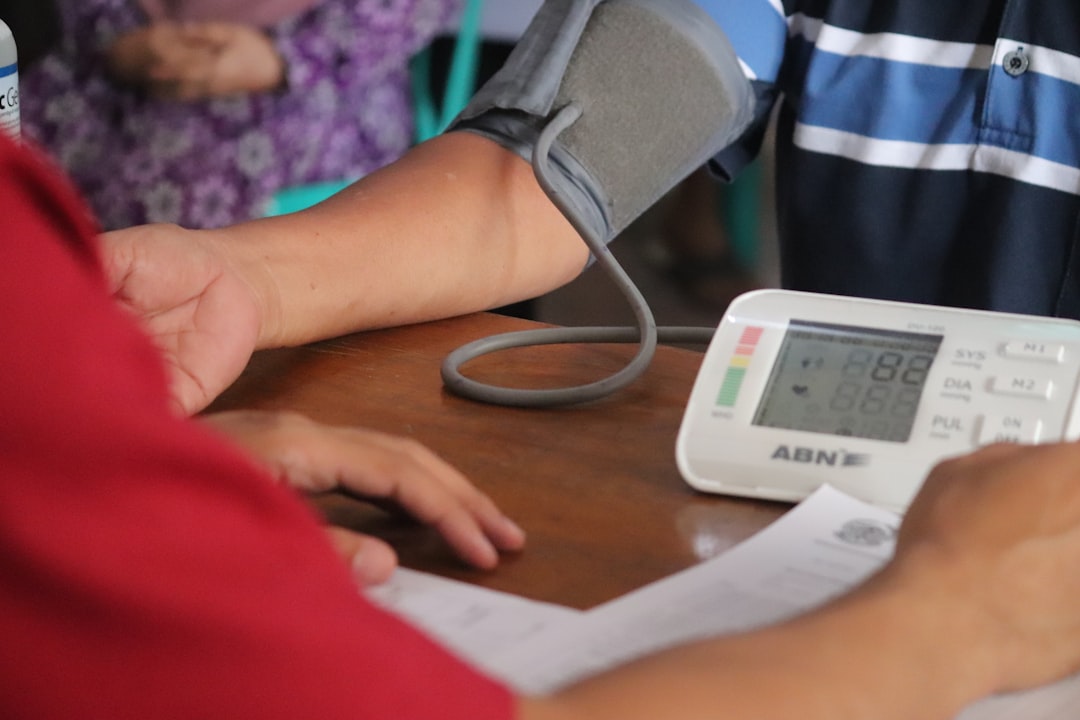
Observational study finds one third of U.S. adults report hypertension, with 75% of those using medication
How many U.S. adults have high blood pressure? About one third, survey finds.
An observational study of U.S. adults found approximately one third reported having hypertension, and an estimated 75% of those individuals …
About one third of U.S. adults say they have high blood pressure, and three out of four of those people report taking medication to manage i…

Higher uric acid-to-creatinine ratio linked to preeclampsia risk in advanced maternal age pregnancy
Higher uric acid ratio linked to increased preeclampsia risk in older pregnant women
A retrospective cohort study of 2,296 pregnant women aged ≥35 years found each standard deviation increase in serum uric acid-to-creatinine …
Older pregnant women with higher uric acid-to-creatinine ratios face 29% greater odds of developing preeclampsia, a serious condition affect…

Phase 2 trial of oral ifetroban in DMD cardiomyopathy reports no safety results yet
Can a new pill help protect the hearts of boys with Duchenne muscular dystrophy?
A phase 2 randomized, double-blind, placebo-controlled trial evaluated low- and high-dose oral ifetroban in 46 males with DMD-associated car…
A new pill called ifetroban is being tested to safely treat heart weakness in boys with Duchenne muscular dystrophy, addressing a leading ca…