Mode
Text Size
Log in / Sign up

Pilot RCT finds non-significant pain reduction with ESPB ropivacaine versus saline for ureteral stones

Pilot RCT finds non-significant pain reduction with ESPB ropivacaine versus saline for ureteral ston…
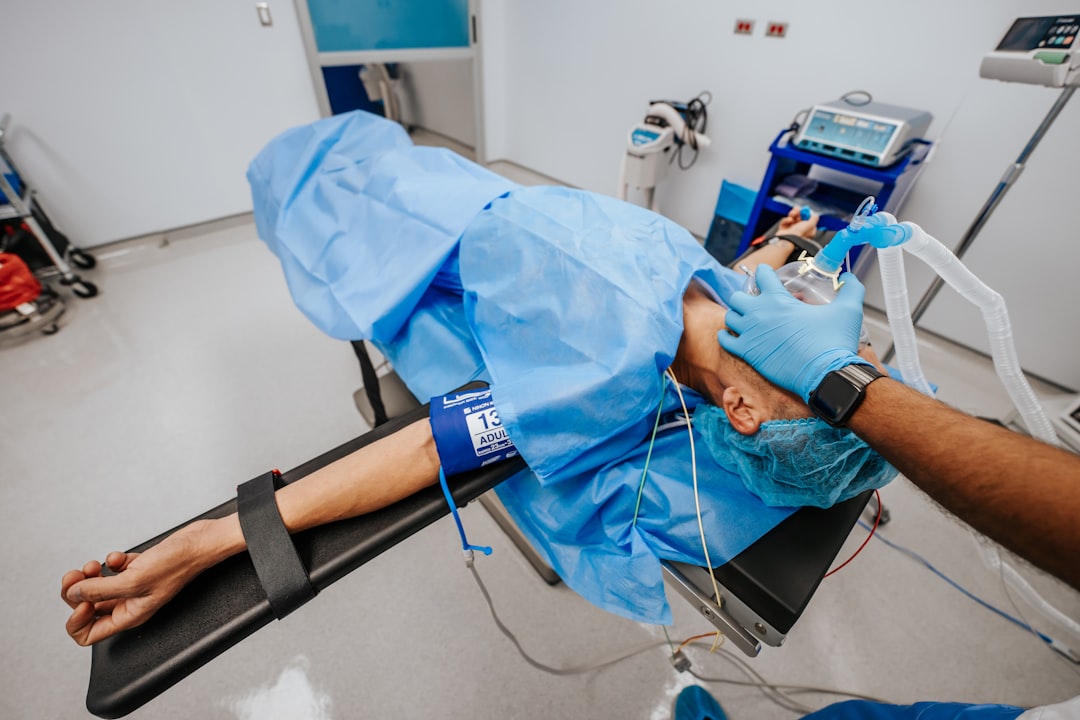
Photo by Aakash Dhage / Unsplash
Key Takeaway
Consider ESPB for ureteral stone pain as investigational; pilot data show feasibility but no significant efficacy difference versus saline.

This pilot randomized clinical trial assessed the feasibility and analgesic efficacy of an erector spinae plane block (ESPB) for severe flank pain from ureterolithiasis. The study enrolled 24 adult Emergency Department patients with ureteral stones and a numeric pain score > 4. Participants were randomized to receive ESPB with either 20 mL of ropivacaine 0.5% or normal saline (NS). The primary outcome was analgesic efficacy measured by pain scores at 10, 20, 40, and 60 minutes.

At 60 minutes, median (IQR) pain scores were 1 (0-3.7) in the ropivacaine group and 4 (1.2-5) in the NS group. This difference was not statistically significant (p = 0.11). Secondary outcomes of patient satisfaction scores and time to discharge were reported as similar between the two groups. Safety and tolerability data were not reported.

Key limitations include the single-blinded design, convenience sampling, and very small sample size (n=24) inherent to a pilot study. The study demonstrated feasibility for conducting a larger RCT. The authors note the possibility that fascial plane injection of saline itself may have some analgesic benefit, which complicates interpretation. Given the non-significant primary outcome and pilot nature, no conclusions about clinical efficacy can be drawn. The findings support the need for a larger, adequately powered trial to determine if ESPB provides meaningful pain relief for this condition.

Study Details

Study typeRct
Sample sizen = 24
EvidenceLevel 2
PublishedApr 2026
View Original Abstract ↓
BACKGROUND: Ureterolithiasis is a major cause of severe flank pain in the Emergency Department (ED). Given the disadvantages of opioids, alternative yet effective therapies for ureterolithiasis are sorely needed. OBJECTIVES: To determine the feasibility and analgesic efficacy of an erector spinae plane block (ESPB) with ropivacaine 0.5% compared with normal saline (NS) in patients with ureterolithiasis. METHODS: We conducted a single-blinded, randomized clinical trial, on a convenience sample of adult ED patients with ureteral stones with a numeric pain score of > 4. Baseline characteristics were recorded, and patients were randomly allocated to an ESPB using 20 mL ropivacaine 0.5% or NS. Pain scores were recorded at 10, 20, 40, and 60 minutes. Between-group pain scores were compared with a Mann Whitney U test and repeated measures analysis of variance. RESULTS: The study included 24 patients, 12 in each of the study groups. Mean (SD) age was 45.6 (12.8) years, 54% were male. Baseline pain scores were similar in both groups. Median (IQR) pain scores at 60 minutes were 1 (0-3.7) and 4 (1.2-5) in patients randomized to ropivacaine and NS, respectively (p = 0.11). Patient satisfaction scores and time to discharge were similar in both groups. CONCLUSIONS: In this pilot study of ED patients with ureterolithiasis performance of a randomized controlled trial (RCT) comparing ESPB with ropivacaine and NS was feasible and showed clinically significant differences but not statistically significant between-group differences in pain scores. The study also raises the possibility that fascial plane injection of NS may have analgesic benefit as well.
Free Newsletter

Clinical research that matters. Delivered to your inbox.

Join thousands of clinicians and researchers. No spam, unsubscribe anytime.