Mode
Text Size
Log in / Sign up

Narrative review on multi-omic technologies for pediatric sepsis biomarker discovery

Narrative review on multi-omic technologies for pediatric sepsis biomarker discovery
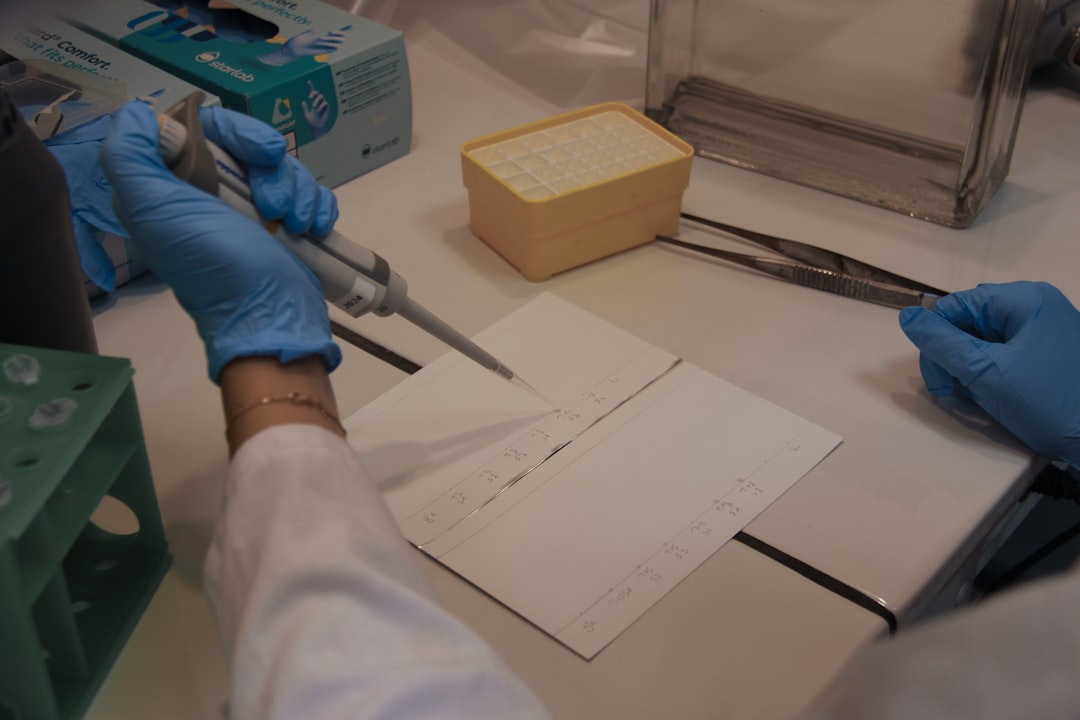
Photo by Faustina Okeke / Unsplash
Key Takeaway
Consider that multi-omic technologies for pediatric sepsis are promising but require validation before clinical use.

This is a narrative review that examines the use of multi-omic technologies and computational biology for biomarker discovery in pediatric sepsis. The scope is to contrast these advanced methods with traditional single-marker approaches. The authors synthesize the argument that integrating multi-omic data could transform pediatric sepsis care from empiric treatment to precision medicine. They note that this field is still emerging and that key gaps include the need for robust clinical validation and standardized protocols. The review does not report specific pooled effect sizes or trial-level data, as it is a qualitative synthesis. Limitations acknowledged by the authors include the early stage of the evidence and the challenge of translating complex computational findings into bedside practice. The practice relevance is framed as a potential shift toward precision medicine, but this is presented as a future goal rather than a current standard.

Study Details

Study typeSystematic review
EvidenceLevel 1
PublishedMay 2026
View Original Abstract ↓
Sepsis remains one of the most complex and lethal syndromes in pediatric critical care, driven by dysregulated and heterogeneous host responses to infection. Despite decades of biomarker research, few biomarkers have been translated into routine clinical use for diagnosis or prognostication. This is largely because single marker approaches cannot capture the systemic complexity of sepsis pathobiology with high sensitivity and specificity. This review explores how the convergence of multi-omic technologies and computational biology is transforming biomarker discovery, from isolated molecular signals into integrated, systems-level understanding of disease, with an emphasis on pediatric sepsis. Recent omic studies reveal dysregulation across immune, endothelial, metabolic, and microbial networks in sepsis. Advances in bioinformatics and artificial intelligence now enable characterization of complex biological patterns that link molecular profiles into interpretable clinical phenotypes and outcomes. Multi-omic integration represents a paradigm shift in pediatric sepsis research, uniting biomarker discovery with clinical application through biologically coherent, computationally derived signatures. As these approaches mature, they promise to transform pediatric sepsis care from empiric treatment to precision medicine guided by the molecular pathways that define each patient’s pathobiology.
Free Newsletter

Clinical research that matters. Delivered to your inbox.

Join thousands of clinicians and researchers. No spam, unsubscribe anytime.