Why Heart Health Needs New Clues
Heart failure is a serious condition affecting millions. It happens when the heart cannot pump enough blood. Current treatments help, but prevention is still hard.
Genetics play a huge role in this disease. Some people are born with a higher risk. Understanding these risks helps doctors act sooner.
Ignoring a Key Genetic Piece
For years, researchers looked at most human genes. They often skipped the X chromosome. This chromosome carries unique instructions for both men and women.
Leaving it out meant missing important data. Scientists wanted to know if this missing piece held answers. They decided to look closer at the X chromosome this time.
Finding Clues in the X Chromosome
But here is the twist. This study finally included the X chromosome. They looked at nearly 600,000 people. The group included many different ancestries.
This diversity makes the results stronger. It ensures the findings apply to many groups. Previous studies often focused on just one group.
Reading the Body’s Genetic Blueprint
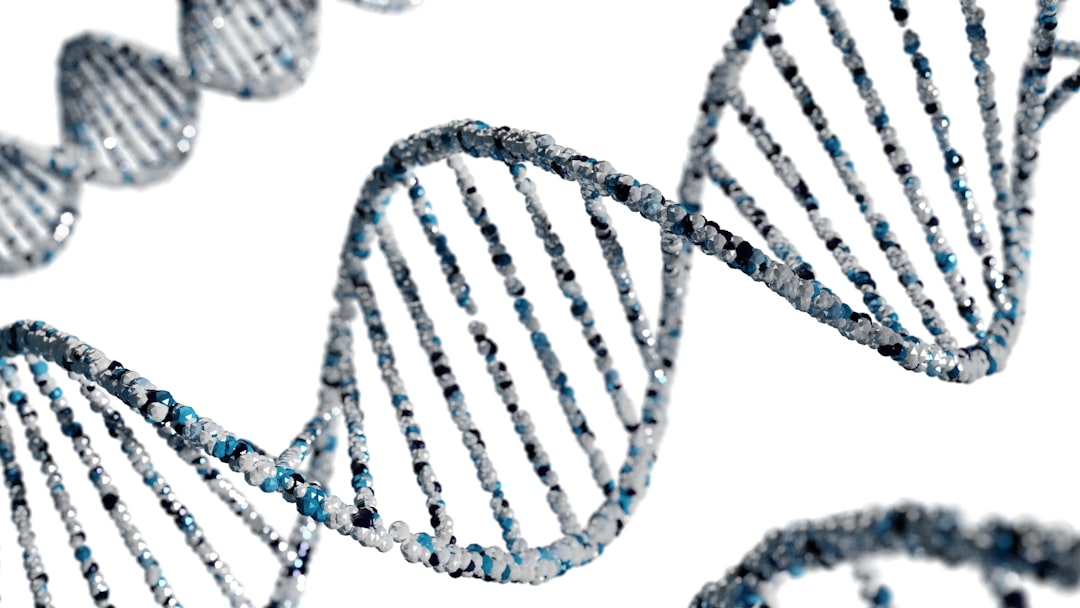
Think of DNA like a recipe book for your body. Each page holds instructions for building cells. Some pages were missing from the old recipe.
Now, scientists are reading those pages again. They are looking for typos that cause trouble. These typos are called genetic variants.
Specific Genes Linked to Heart Risk
The team found five specific spots on the X chromosome. These spots were linked to heart failure in men. They also found links for reduced heart function.
Three genes stood out the most. They are named BRWD3, FHL1, and CHRDL1. These genes help control heart muscle cells.
One gene was found in African ancestry groups. Another appeared in Hispanic ancestry groups. This shows genetics vary across populations.
Important Limits on This Research
This doesn’t mean this treatment is available yet.
The study did not find strong signals in women. This might be due to how the data was analyzed. It does not mean women are safe from heart failure.
Experts say this is just the first step. We need more work to understand these genes fully.
Researchers believe this opens a new door. It changes how we look at heart disease. It suggests the X chromosome is more important than thought.
Is this available now? No. You cannot get this test today. It is still in the research phase.
Should you talk to a doctor? Yes. If you have heart risk factors, ask about standard care. Do not wait for genetic tests.
The study was large, but it had limits. It focused on veterans, which might not match everyone. Some genetic signals were found only in men.
What happens next? Scientists will run more trials. They want to confirm these findings in other groups. Approval for clinical use takes years.
This research brings us closer to better care. But patience is key for safe medical advances.