The clock that was never really about the clock
For decades, stroke care followed a simple but rigid rule. The faster you got to the hospital, the more brain you could save. Treatment decisions were anchored to the clock: how many hours had passed since symptoms began.
It was a useful rule of thumb. But like many useful rules, it turned out to be too simple.
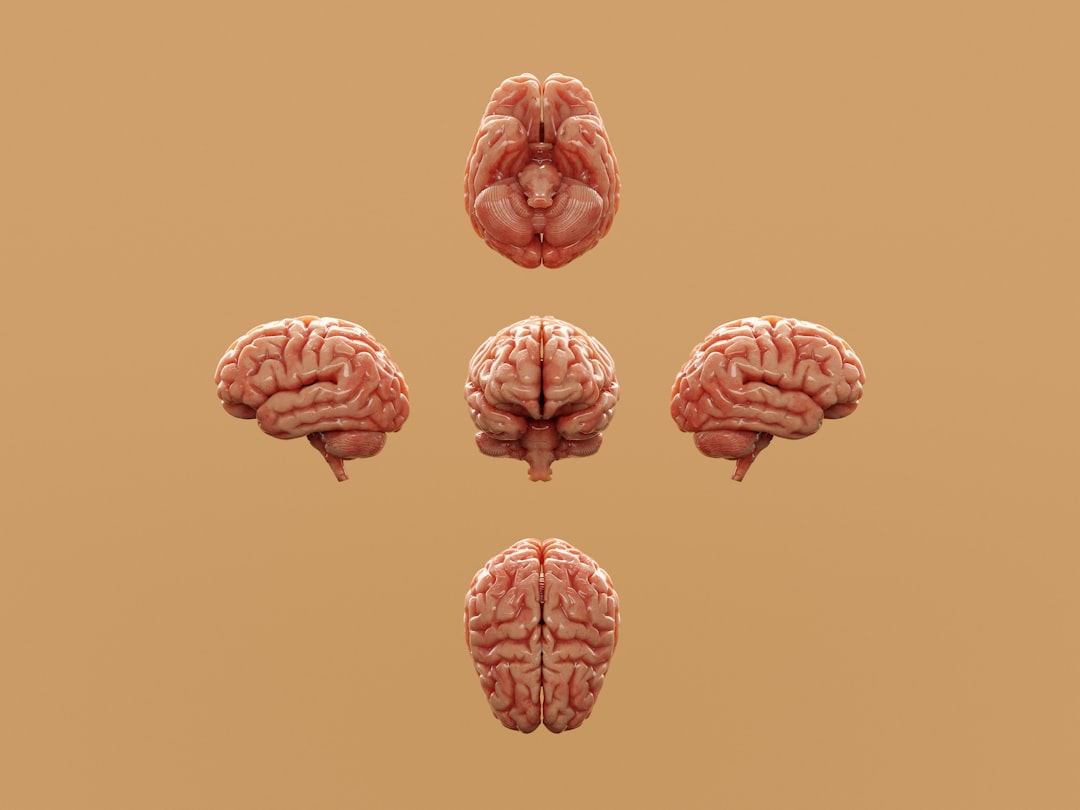
A growing body of research suggests the better question isn't how long has it been — it's how much brain tissue is still alive.
Mechanical thrombectomy — physically pulling a clot out of a brain artery — is the most effective treatment for strokes caused by large vessel blockages. When it works, patients can recover from devastating symptoms within hours.
Yet nearly half of patients who have technically successful thrombectomy don't regain functional independence. Doctors call this futile recanalization. The vessel is open, but the patient never comes back.
That gap exposes a fundamental limitation of time-based stroke care. Two patients arriving at the same hour after symptoms may have very different amounts of viable brain tissue, depending on their underlying biology.
The old way versus the new way
The traditional approach drew strict lines. A patient arriving within 6 hours qualified for thrombectomy. Beyond that window, treatment was usually withheld because the assumption was that too much brain tissue had already died.
The new approach uses imaging to look at the patient's actual brain. Some patients still have substantial salvageable tissue 12, 18, even 24 hours after symptoms began — usually because their brain has good collateral blood flow that has kept the affected area alive longer than expected.
For these patients, thrombectomy can still work. Time-based rules would have denied them treatment. Tissue-based assessment lets them benefit.
Imagine a forest fire. The traditional time-based approach measures how long the fire has been burning to estimate how much forest is left. A reasonable rule of thumb, but not always accurate.
The tissue clock approach uses satellite imaging to look at the actual forest. Some trees burn fast. Others have natural firebreaks that have slowed the spread. Looking directly tells you what's still standing far better than counting hours.
In a stroke, doctors use advanced brain imaging — CT perfusion, MRI sequences that compare different aspects of brain tissue — to identify two zones: the dead "core" already lost, and the "penumbra" of tissue still salvageable if blood flow returns. Patients with a small core and a large penumbra have the most to gain from thrombectomy, regardless of how many hours have passed.
The study snapshot
The article reviewed the evidence behind this paradigm shift, drawing on landmark clinical trials including DAWN and DEFUSE 3. Both trials demonstrated that imaging-guided patient selection allowed safe and effective thrombectomy well beyond the traditional time windows. The review also examined the multiple factors that contribute to futile recanalization and emerging models that integrate imaging, clinical, and biological data to predict outcomes.
The old time-based windows have already been replaced in modern stroke guidelines for selected patients. Treatment up to 24 hours after symptoms is now possible for those with favorable imaging.
But futile recanalization remains common. The mechanisms behind it are complex — microvascular failure where the smallest brain vessels stay blocked even after the main artery reopens, early reocclusion of the artery itself, collapse of collateral blood flow, and damage caused by the rush of returning blood itself.
Modern predictive models are incorporating advanced imaging and biological markers to identify which patients are most likely to benefit and which may need additional interventions to prevent futile outcomes.
This evolving approach is already shaping current care, but personalized selection is still being refined.
Where this fits in the bigger picture
Stroke care has become one of the leading examples of imaging-guided precision medicine. The shift from population-level rules to individualized assessment mirrors what's happening in cancer treatment, cardiology, and many other fields.
The tissue clock framework also opens the door to adjunctive therapies — drugs or interventions designed to protect brain tissue during reperfusion, prevent microvascular failure, and improve the chance that successful recanalization translates to actual recovery.
If you or a family member experiences stroke symptoms, the most important thing remains the same: get to a hospital with stroke expertise as fast as possible. Time still matters enormously, especially in the first few hours.
But the practical takeaway from this research is hopeful. Even patients who arrive later — well beyond what used to be the "treatment window" — should ask whether advanced imaging can determine if thrombectomy is still an option. At specialized stroke centers, the answer is often yes.
For families of stroke patients, knowing that tissue-based selection exists is reason to push for evaluation rather than assume nothing more can be done.
The tissue clock framework requires advanced imaging and rapid interpretation that aren't available everywhere. Smaller community hospitals may still rely on time-based decisions because they lack the infrastructure for tissue-based selection. The predictive models for futile recanalization also need standardization and prospective validation across diverse patient populations.
The next phase of stroke care will likely include even more individualized selection, combining imaging biomarkers with blood-based markers and machine-learning models. New therapies aimed at reducing reperfusion injury are also being tested. Together, these advances should narrow the gap between successful recanalization and successful recovery.