The exhaustion no one talks about
Stroke is one of the leading causes of disability worldwide. Most people focus on the obvious effects, like trouble walking or speaking.
But up to half of stroke survivors face something quieter and just as cruel: deep, daily fatigue that lasts months or even years.
This kind of tiredness is different. It does not improve with rest. It can make returning to work, hobbies, or family life feel impossible.
And right now, doctors have very few tools to predict who will get it. That makes it hard to prepare patients—or to act early.
What we used to believe
For years, doctors thought post-stroke fatigue was mostly emotional. They linked it to depression or to the shock of nearly dying.
But here’s the twist.
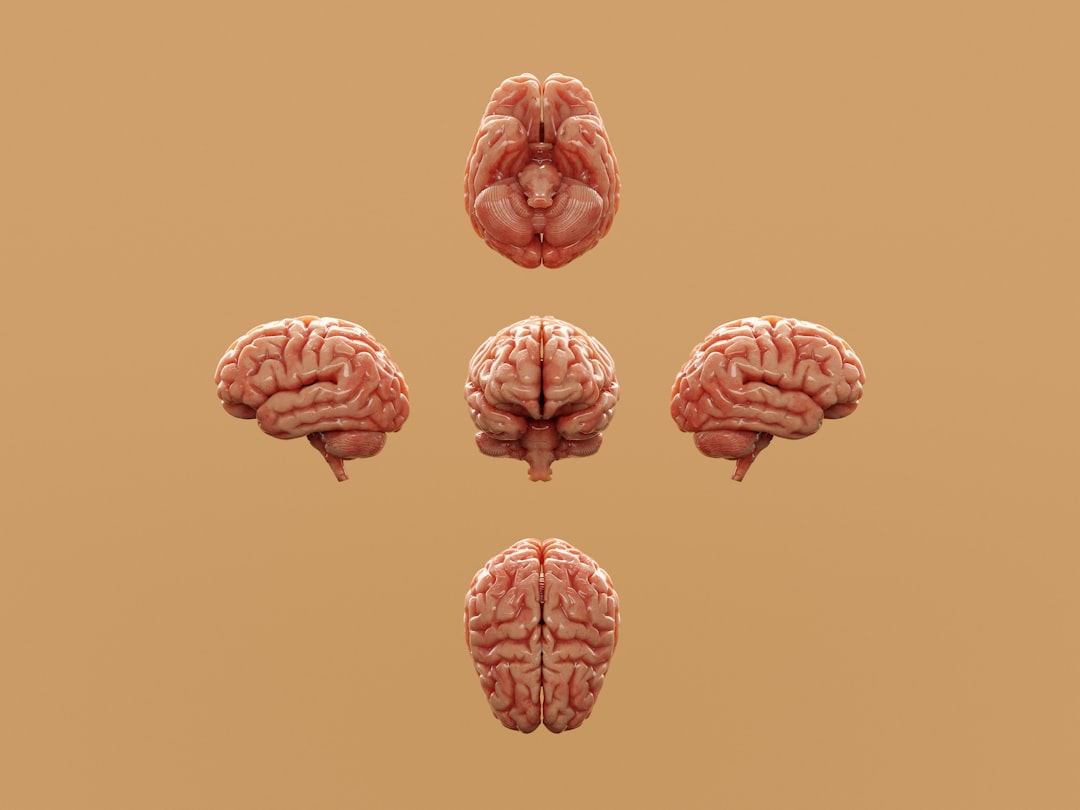
New research suggests the brain itself plays a much bigger role. Where the stroke happens, and how the body responds afterward, may matter just as much as mood.
A new study from China takes that idea further. The researchers built a chart, called a nomogram, that turns several risk factors into a single, easy-to-read score.
Think of it like a weather forecast for fatigue. It does not promise what will happen. But it gives doctors a much better guess than they had before.
How the brain plays a role
To understand why, picture the brain as a giant power grid. A stroke is like a blackout in one neighborhood.
Some neighborhoods are tied to movement. Others to speech. And some, deep inside the brain, help control energy, alertness, and drive.
When a stroke hits these deep areas—like the brainstem, basal ganglia, or thalamus—the body’s “energy switch” can get stuck in the off position.
Add inflammation (the body’s alarm system after injury), and the fatigue can grow worse. That is why blood markers like white blood cells and C-reactive protein matter too.
Inside the study
The team studied 846 stroke patients across two hospitals in China. They tracked each person’s health, scans, and lab results during their hospital stay.
Four weeks later, they checked who was struggling with fatigue using two trusted questionnaires.
Then they used the data to find which patient features best predicted that fatigue. They tested their tool on a separate group of patients to make sure it actually worked.
Eight factors stood out. People were more likely to develop post-stroke fatigue if they were older, female, had higher disability scores, or had strokes in deep brain regions.
Higher levels of inflammation in the blood also raised the risk.
Put together, these clues let the chart predict fatigue with strong accuracy—not perfect, but far better than guessing. It worked in both the home hospital and a second, independent hospital.
That second test matters a lot. Many prediction tools look great in one clinic, then fail somewhere else.
This does not mean a treatment for post-stroke fatigue exists yet.
But knowing who is at risk is a powerful first step.
Why this could change care
Most stroke care today focuses on the first hours and days. After discharge, patients are often left to figure out fatigue on their own.
A reliable risk score could change that. Doctors could warn high-risk patients early. Families could plan for slower recovery. Therapists could start gentle energy-saving strategies before fatigue takes hold.
It also opens doors for research. If we can spot at-risk patients early, we can test new treatments faster.
If you or someone you love had a stroke, this tool is not yet available in clinics. It still needs more testing.
But the message is useful right now. Post-stroke fatigue is real, common, and not “in your head.”
If you feel wiped out weeks or months after a stroke, talk to your doctor. Ask about your risk factors. Ask about rehab programs that address fatigue, not just movement.
Small steps—better sleep, gentle activity, and treating inflammation or other health issues—can help.
The limits to keep in mind
This study has weaknesses. It looked back at past records rather than following patients in real time. Both hospitals were in China, so the results may not apply to every group of people.
Fatigue was measured at one point in time, not tracked over months. And while the chart predicts risk well, it cannot yet tell us why some brains recover their energy and others do not.
The next step is testing the tool in more hospitals around the world, and in more diverse patients. Researchers also want to combine it with brain scans and longer follow-up to see how fatigue changes over time.
If those studies hold up, this simple chart could quietly become part of routine stroke care—giving survivors something they have long deserved: a name, a number, and a plan for the tiredness that follows them home.