Imagine waking up after a stroke and struggling to move your leg. You want to walk to the bathroom on your own. You want to feel steady on your feet. For millions of survivors, this is a daily challenge. Now, a new review suggests a powerful combination could make a real difference.
Researchers looked at how robot-assisted training works with acupuncture. Together, they helped stroke patients regain leg strength and balance better than either treatment alone. This matters because leg recovery is key to independence.
Stroke is a leading cause of disability worldwide. Many survivors face long rehab to regain leg function. Current therapies can help, but progress is often slow. Some people hit a plateau and feel stuck. Families and caregivers carry a heavy load. The search for better options is urgent.
For years, therapists relied on standard exercises and manual training. Acupuncture has been used for pain and recovery. Robot-assisted training uses machines to guide leg movements. Each approach has shown benefits. But combining them was not well studied.
Here is the twist. This review found that pairing robot training with acupuncture beats each method on its own. The results were consistent across many studies. That is a shift in how we think about stroke rehab.
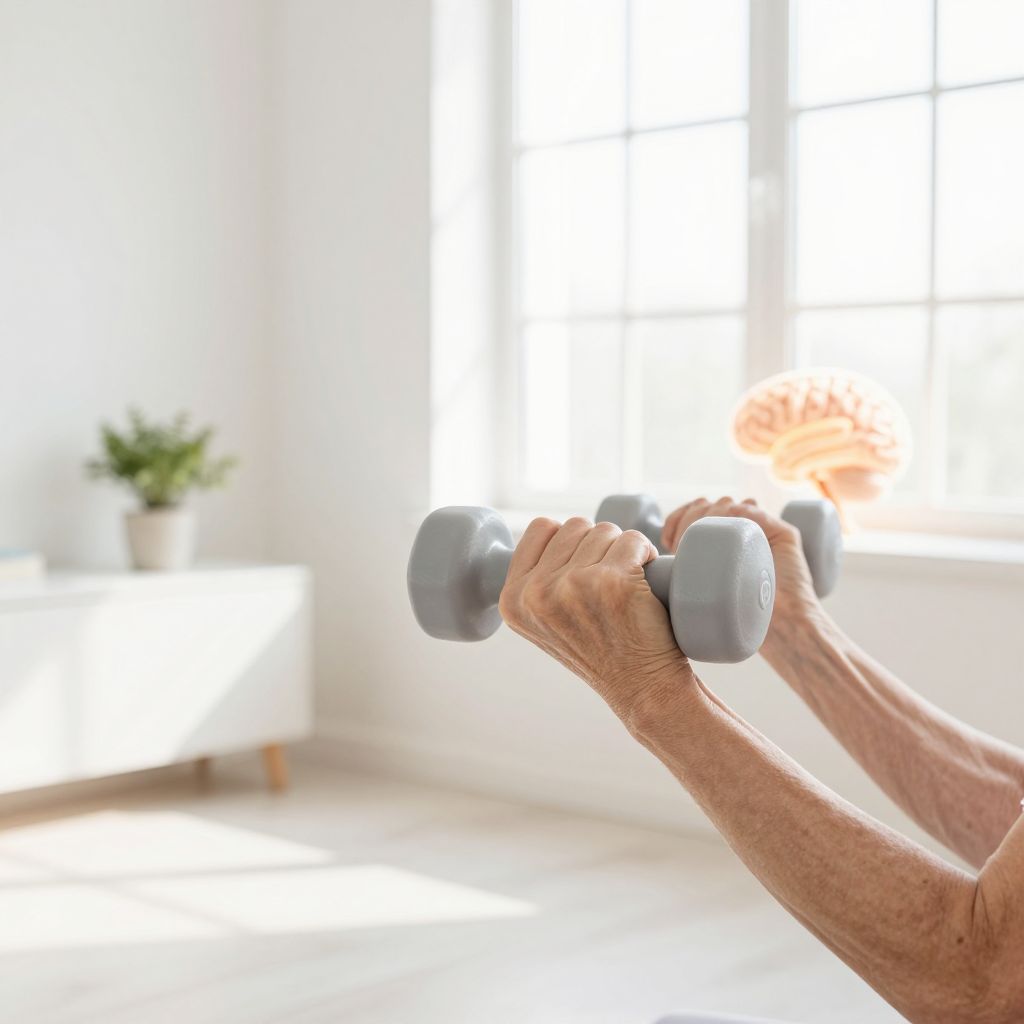
Think of the brain as a control center and the legs as the factory floor. After a stroke, the wiring between them gets damaged. Robot training acts like a traffic guide, moving the legs in the right pattern again and again. Acupuncture may act like a switch, nudging the nervous system to respond. Together, they help the brain rebuild its routes to the legs.
The review included 21 studies with 1,821 stroke patients. Researchers searched major medical databases for randomized trials. They compared robot-assisted training plus acupuncture to standard rehab, robot training alone, or acupuncture alone. They used standard tools to check study quality.
The results were clear. Patients who got both treatments improved more on leg movement and balance. One common leg function score rose about four points more than with other therapies. That difference can mean moving from needing help to taking a few steps alone.
Balance also improved. Patients scored about seven points higher on a standard balance test. Daily activities, like getting out of a chair or bathing, improved by about ten points. Walking speed and step length also got better. Some people walked more steadily with a narrower step width.
But there is a catch. Most studies were done in hospitals or rehab centers. The exact way acupuncture was given varied. The robot programs also differed. This makes it hard to know the best dose and schedule for every person.
Experts say the combination taps into two recovery pathways. Robot training drives movement practice. Acupuncture may boost nerve signaling. Together, they may create a richer environment for the brain to relearn leg control. This fits with what we know about neuroplasticity, the brain's ability to change.
This does not mean this treatment is available everywhere right now.
If you or a loved one is recovering from stroke, ask your rehab team about robot-assisted training and acupuncture. Some centers offer these options. Not all clinics have the equipment or trained acupuncturists. Your doctor can help you weigh the benefits and logistics.
The review has limits. Many studies were small. The methods varied. The overall quality was moderate. We need larger, longer trials to confirm these gains and to see how long they last.
What happens next. Researchers should design big, high-quality trials that test the best mix of robot training and acupuncture. Hospitals will need to invest in equipment and training. If results hold, guidelines may evolve to include this combination. For now, the findings offer a hopeful path for leg recovery after stroke.