Mode
Text Size
Log in / Sign up

Low-intensity cervical screening shows similar CIN2+ risk to high-intensity screening in HPV-vaccinated women

Low-intensity cervical screening shows similar CIN2+ risk to high-intensity screening in HPV-vaccina…
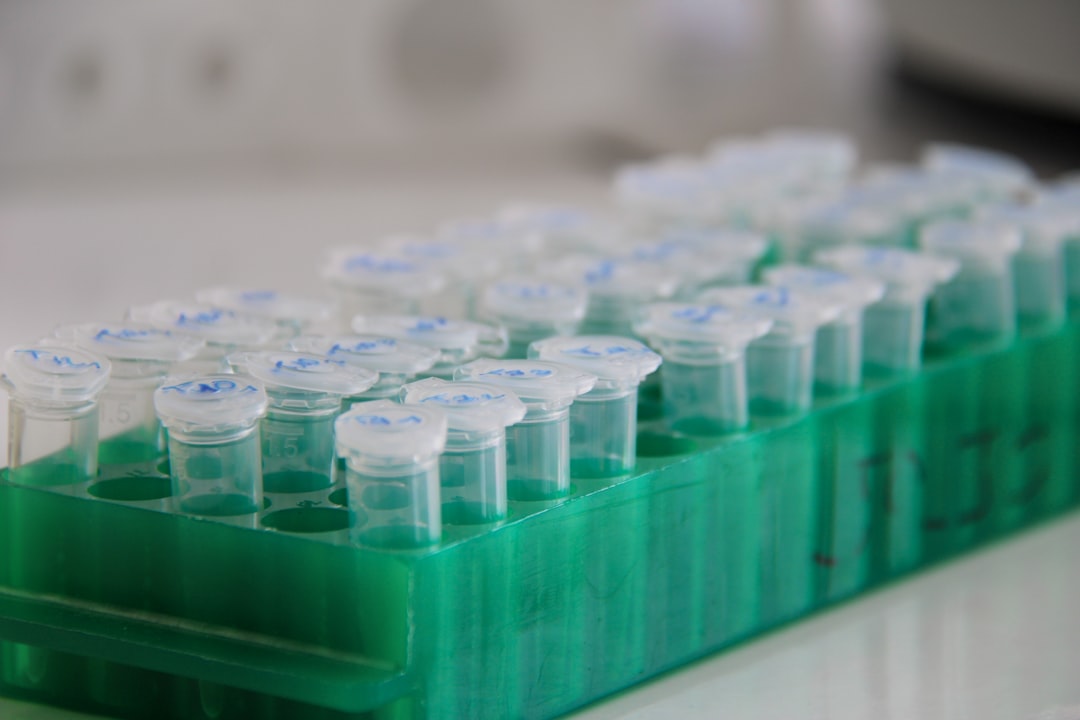
Photo by ClinicalPulse / Unsplash
Key Takeaway
Consider that less frequent screening may be adequate for women vaccinated against HPV16/18 as adolescents.

This randomized controlled trial in Finland evaluated cervical cancer screening frequency in women vaccinated against HPV16/18 as early adolescents (ages 12-15). A total of 5626 women were allocated at age 22 into either high-intensity (Arm A1) or low-intensity (Arm A2) cytology-based screening arms, with follow-up through age 28 (216 months).

The primary outcome was histopathologically confirmed cervical intraepithelial neoplasia grade 2 or worse (CIN2+). The occurrence of CIN2+ was 0.70% in the high-intensity arm and 0.66% in the low-intensity arm. The hazard ratio comparing low-intensity to high-intensity screening was 0.97 (95% confidence interval 0.50-1.88), indicating no statistically significant difference in risk. Secondary analyses showed the occurrence of vaccine-targeted HPV types 16/18 was reduced by up to 88% at age 28.

Safety and tolerability data were not reported. The study's key limitation is its specific population of women who received three doses of HPV16/18 vaccine as adolescents in Finland; results may not generalize to unvaccinated populations, those with different vaccination schedules, or other geographic settings. Funding and conflicts of interest were not reported.

For practice, this RCT provides evidence that in women vaccinated against HPV16/18 during early adolescence, less frequent cervical screening may not increase short-term risk of CIN2+ precursors through age 28. However, clinicians should recognize these findings are population-specific and do not yet support broad changes to screening guidelines for all women.

Study Details

Study typeRct
EvidenceLevel 2
Follow-up216.0 mo
PublishedApr 2026
View Original Abstract ↓
Cervical screening frequency has not been studied in vaccinees. As the major risk factor, oncogenic human papillomavirus (HPV) is declining due to vaccination. We report a trial to assess the effectiveness of cervical screening frequency among women HPV-vaccinated as early adolescents (NCT02149030). In 2013, 5626 1992-1995-born women, who had received three doses of the HPV16/18 vaccine at ages 12-15 between 2007 and 2010 in a community-randomized vaccination trial (NCT00534638), were allocated at age 22 into high-intensity cytology-based cervical screening by even birth date (Arm A1) or into low-intensity cytology-based cervical screening by odd birth date (Arm A2). One thousand three hundred thirty-three women who received HPV16/18 vaccination at age 18 attended a safety of low intensity-screening arm (Arm A3). Low-intensity screening, where low-grade cytological abnormalities were not revealed for 6 years, was compared to the standard high-intensity screening used in Finland at the time. The prevalence of cytological and HPV findings was calculated at ages 22/25/28. The hazard ratio of histopathologically confirmed immediate cervical cancer precursors (HSIL/CIN2+) among participants was compared between low- and high-intensity screening arms. The overall occurrence of CIN2+ was comparable in Arms A1, 0.70% and A2, 0.66%, with the corresponding hazard ratio at age 28 being 0.97 (95% confidence intervals, 0.50-1.88). By age 28, the occurrence of vaccine-HPV types 16/18 was reduced up to 88% in the 12-to-15 compared to 18-year-old HPV-vaccinated women. In conclusion, the risk of CIN2+ was similar for HPV-vaccinated women who attended low-intensity cervical screening compared to high-intensity screening most likely due to the decline of oncogenic HPVs.
Free Newsletter

Clinical research that matters. Delivered to your inbox.

Join thousands of clinicians and researchers. No spam, unsubscribe anytime.