The Heavy Burden of Lung Cancer
Imagine waking up and feeling like your lungs are filled with sand. That is what many people with advanced lung cancer experience every single day.
Lung cancer is one of the most common and dangerous diseases in the world. It takes away the ability to breathe and often leaves patients with very few options.
Doctors have tried many treatments over the years. But for many people, the cancer keeps coming back or stops responding to medicine.
A New Target for Old Enemies
For a long time, doctors treated all lung cancers the same way. They used standard chemotherapy or immunotherapy regardless of the specific type.
But here is the twist. Not all lung cancers are the same. Some types grow faster and are harder to stop.
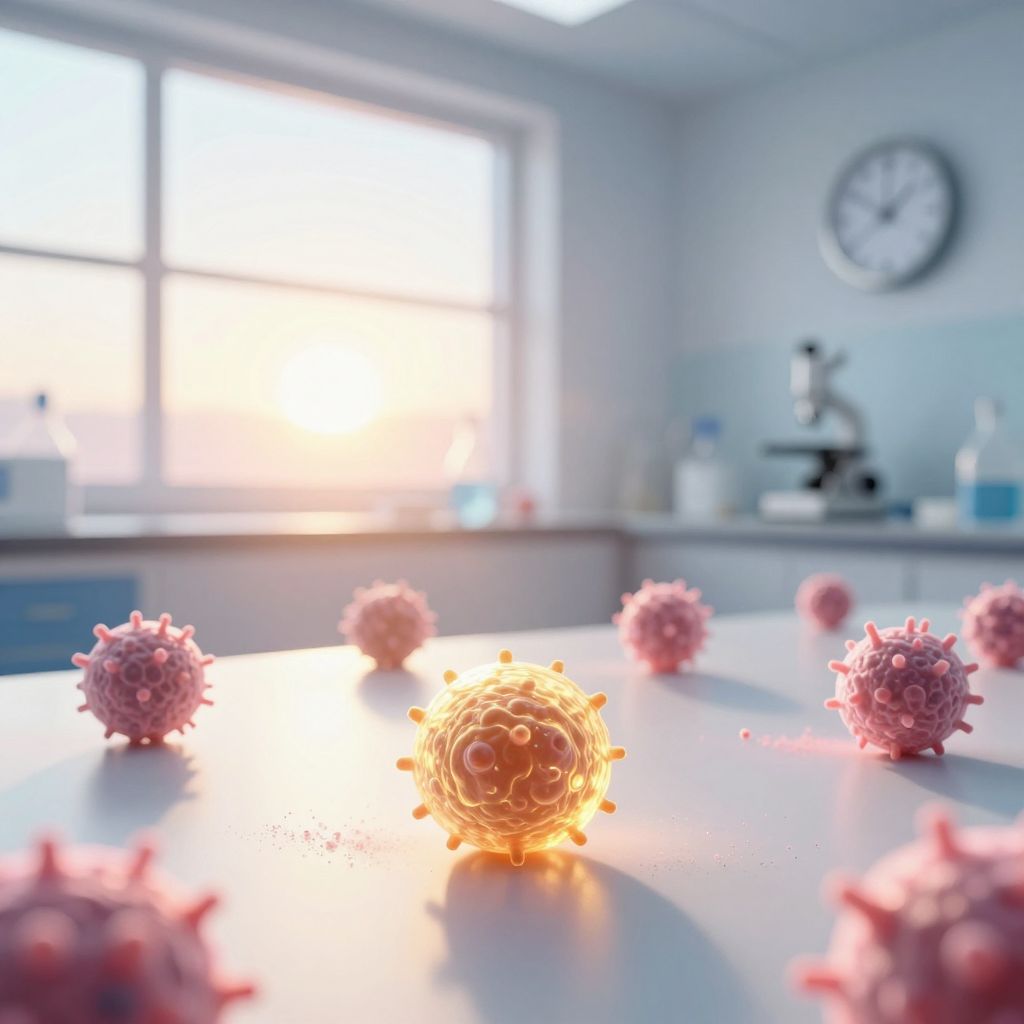
This new study looks at a specific protein called B7-H3. Think of this protein like a hidden door on the surface of cancer cells.
Most cancer cells hide behind this door to avoid being attacked by the body's immune system. This new drug, called HS-20093, acts like a key that finds and opens that specific door.
The drug is an antibody-drug conjugate. You can think of it as a smart missile.
One part of the drug is the antibody. It is like a GPS that hunts for the B7-H3 protein.
Once it finds the protein, it delivers a powerful medicine directly to the cancer cell. This is different from old chemo, which attacks healthy cells and causes severe side effects.
The medicine inside the drug then kills the cancer cell from the inside out. It is like sending a bomb straight to the enemy's headquarters instead of dropping it on the whole city.
Researchers tested this drug on 306 patients who had already tried other treatments. The results were very encouraging for a specific group.
The study focused heavily on a type called extensive-stage small cell lung cancer. This is a very aggressive form that grows quickly.
In this group, the drug helped 52 out of every 100 patients. That means more than half saw their tumors shrink significantly.
For another common type called non-small cell lung cancer, the drug helped about 22 out of every 100 patients.
The safety profile was also important. While the drug did cause some side effects like low blood cell counts, these were manageable.
Why This Is Different Now
The most exciting part is that the drug worked well even in patients who had failed other therapies.
Many people with advanced lung cancer feel hopeless because standard treatments stop working. This new option offers a fresh path forward.
The researchers chose a specific dose for the next stage of testing. They want to make sure the treatment is safe for everyone before it becomes widely available.
This is not a finished product yet. The drug is still in the research phase. It needs to be tested in much larger groups of people.
Doctors will need to run bigger trials to confirm these results. Only then can regulators decide if the drug is safe for everyone.
Patients with this specific type of lung cancer should talk to their doctors. They might be able to join future trials or get access to this new therapy soon.
If you or a loved one has lung cancer, hope is growing. Science is moving faster than ever before.
This new approach targets the cancer without hurting healthy tissue as much. It gives doctors a better tool to fight a tough disease.
Stay informed and keep asking questions. Your doctor can tell you if this new drug fits your specific situation.
The future of lung cancer treatment is looking brighter. One step at a time, we are finding better ways to help people breathe easier.