Acupuncture May Ease Cancer Fatigue But Proof Is Still Weak
Cancer treatment often leaves patients feeling drained. This exhaustion can last for months or even years after therapy ends. Many people search for ways to regain their energy and get back to normal life.
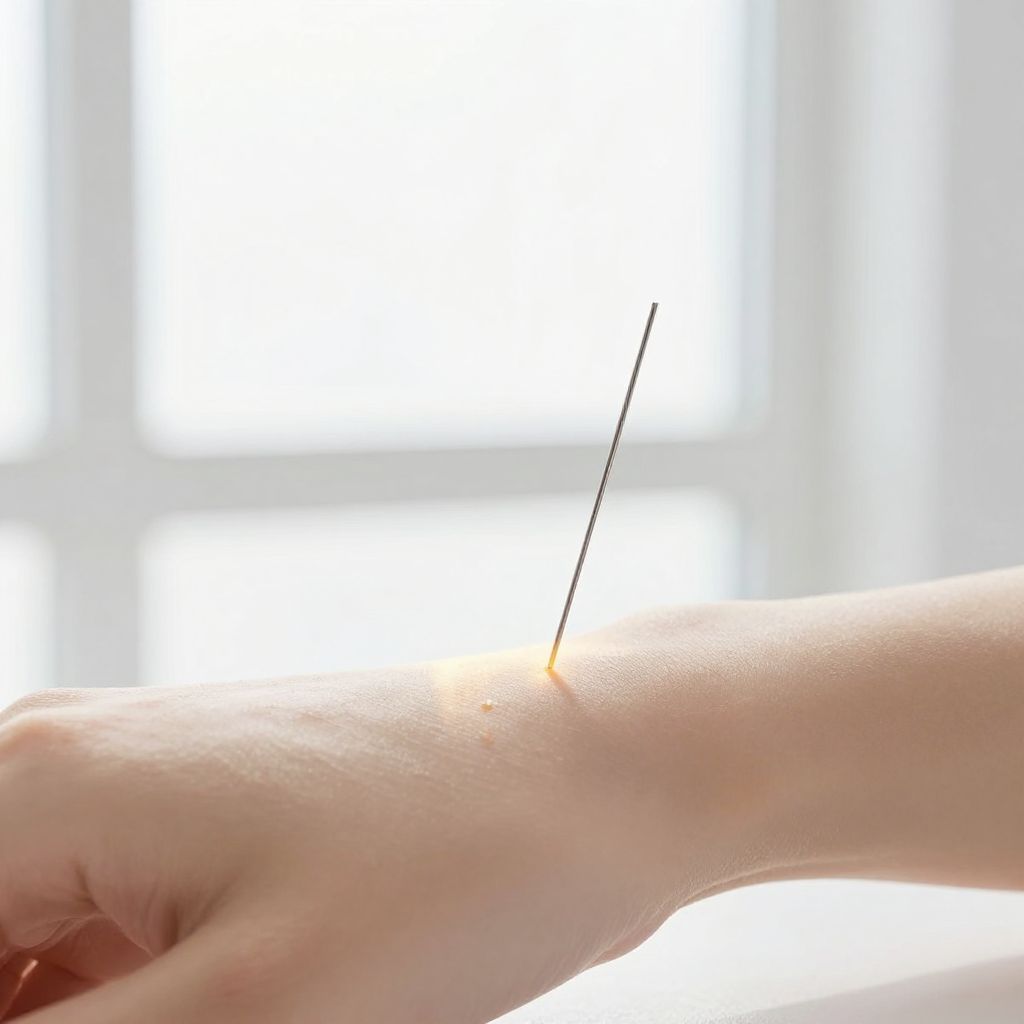
Doctors have long recommended acupuncture for this problem. Yet the proof behind this advice has always been shaky. A new systematic review now looks at all the available data to settle the question once and for all.
Cancer-related fatigue is a huge problem for survivors. It affects their ability to work, play with family, and enjoy daily activities. Current treatments like rest or exercise sometimes help but do not always work. Patients need reliable options that actually reduce their tiredness.
The Old Way Vs New Way
For years, doctors have been unsure if acupuncture truly works. Some studies said yes while others said no. This confusion made it hard to give clear advice to patients. But here is the twist. The latest analysis combines results from many different trials to get a clearer picture.
A Switch That Burns Fatigue
Think of your body like a factory that runs on energy. Cancer and its treatments break the machinery that makes energy. Acupuncture might act like a repair crew fixing the broken parts. It could reset the body's energy switch to help it run better again.
The researchers looked at twenty-eight different studies involving hundreds of patients. They found that acupuncture did lower fatigue scores compared to the control group. The numbers showed a small but real improvement in how tired people felt.
But There Is A Catch
The results were not perfect. Some of the studies had design flaws that could skew the results. The overall quality of the evidence was rated as low or very low. This means we cannot be fully confident in the findings yet.
If you are considering acupuncture, talk to your doctor first. It is generally safe for most people. However, do not stop your prescribed treatments without medical advice. Use acupuncture as a possible helper, not a replacement.
The Limitations
The study had some important limits. Many of the included trials were small in size. Some results changed when the researchers looked at them again. This suggests that more work is needed before we can say acupuncture is a standard cure.
Scientists need to run bigger and better trials soon. These new studies must follow strict rules to avoid bias. Only then can doctors give a clear yes or no answer to patients. Until then, acupuncture remains a hopeful option worth exploring carefully.