Sepsis is a life-threatening reaction to an infection that can happen quickly. It strikes people of all ages, but this study focused on adults over 16. When someone arrives at an emergency department with suspected sepsis, doctors must act fast. The goal is to start antibiotics within three hours to save lives. But sometimes, doctors wait because they are not sure if the patient has an infection or just feels very sick. This uncertainty can delay life-saving treatment. This new research offers a different approach to help doctors decide faster.
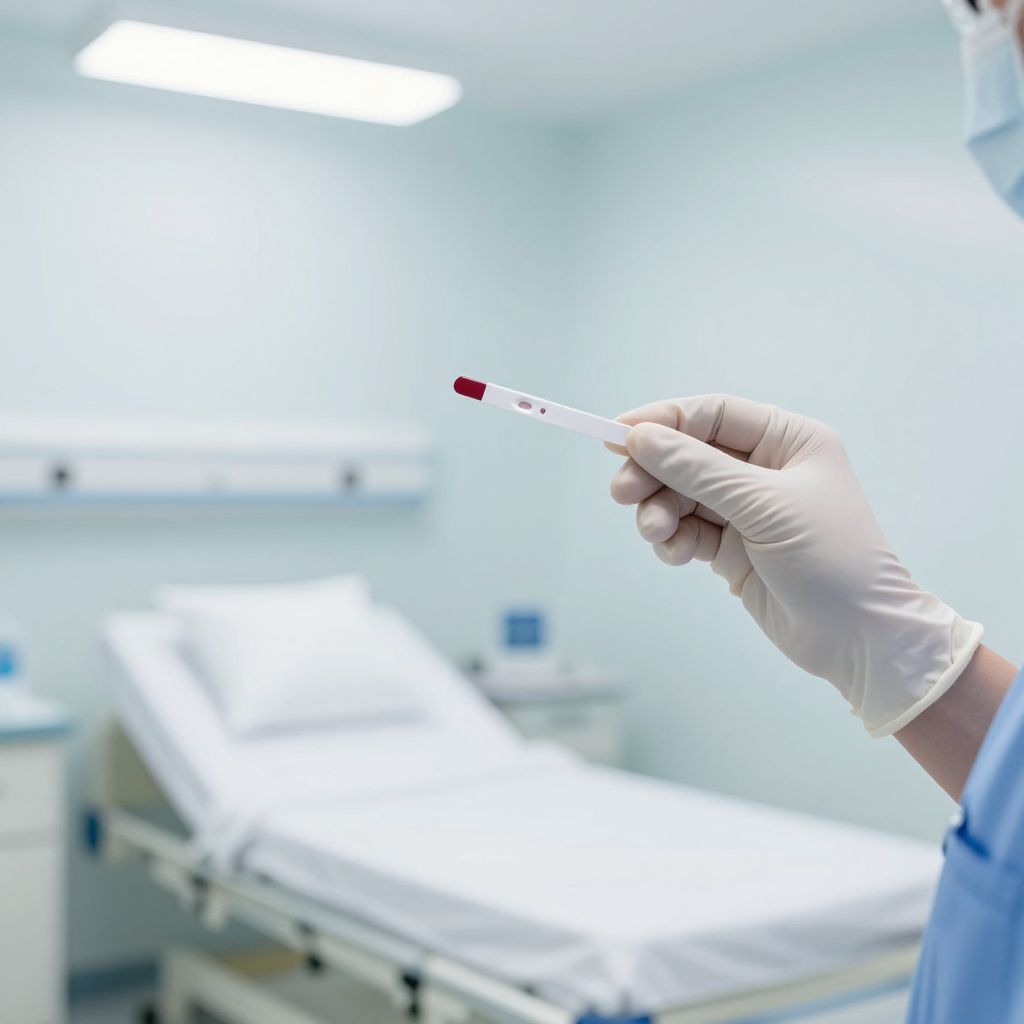
The study looked at 7,667 patients across 20 hospital emergency departments in England and Wales. Half of the patients received standard care based on how they looked and felt. The other half received care guided by a specific algorithm. This algorithm combined a quick blood test for procalcitonin with a standard health check called NEWS2. Procalcitonin is a protein in the blood that rises when the body is fighting a serious bacterial infection. The test gives results very quickly, often within minutes.
The main question was whether this guided approach would change how fast doctors started antibiotics. The results showed no difference. About 48 percent of patients in the guided group got antibiotics within three hours. About 48 percent of patients in the standard care group also got antibiotics within three hours. The numbers were nearly identical. However, the most important result was about survival. Over 28 days, fewer people in the guided group died compared to the standard care group. The death rate dropped from 16.6 percent to 13.6 percent. This is a real and meaningful difference for families waiting for news about a loved one.
The safety of the new test was also checked. Very few people had serious problems directly caused by the test itself. Less than one percent of participants in the guided group had a serious issue linked to the test. The study was open-label, meaning the doctors knew which patients were in which group. They were also free to use the test results however they wanted. They could ignore the test or use it alongside other clues. This real-world setting makes the results very relevant to actual hospital practice.
It is important not to overstate these findings. This was a single study, and more research is needed to fully understand why fewer people died in the guided group. The drop in death rates was not explained by other planned analyses. While the test did not make doctors start antibiotics faster, it did seem to help them make better decisions about who needed immediate treatment and who could wait. This suggests that using a quick blood test alongside standard checks might help save lives without adding extra risk or cost.
For patients and families, this means there is a new tool available in emergency departments. It does not replace the doctor's judgment but adds another piece of information. If this approach becomes standard, it could mean a better chance of survival for people with sepsis. The study confirms that a simple change in how we use a quick test can lead to better outcomes. Further research will help confirm these results and guide future practice.