Why catching signs early changes everything
Alzheimer's disease affects millions of families worldwide. It slowly steals memories, personality, and independence. Doctors often wait until symptoms appear to start testing. By then, damage is already done deep inside the brain.
Waiting for symptoms means missing the best time to help. Early action can slow decline and improve quality of life. Families need answers sooner than the current tests allow.
The secret spots inside your brain
For years, we relied on memory tests to find Alzheimer's. These only work after problems show up in daily life. But here is the twist. Scientists found tiny shape changes in the brain first.
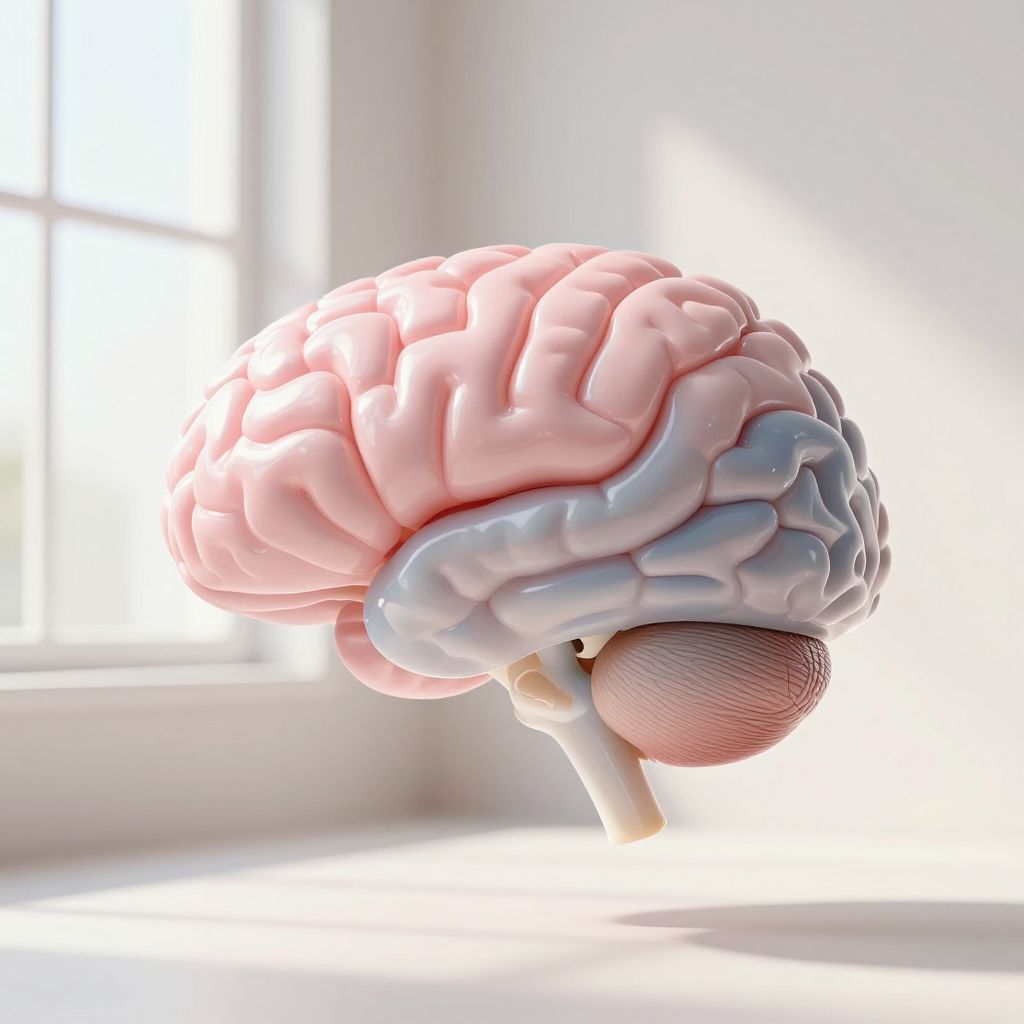
They looked at two specific brain zones. One is deep in the center. The other is on the side. These areas shrink before memory loss becomes obvious.
Think of the brain like a garden. Usually, we wait for the flowers to wilt. Now, we check the soil for dry spots. This study looked at the soil before the plants died.
What the numbers really mean for you
Researchers scanned 382 people over two years. Some had normal memory. Some had mild trouble. Others had full Alzheimer's disease. They used advanced software to read the MRI pictures.
The computer guessed the disease stage with near perfect accuracy. It told apart healthy brains from sick ones 98 percent of the time. It also predicted how fast the disease would grow.
One brain area worked better than the rest. The left side of the brain showed the clearest signs. This helps doctors know who needs help first.
This does not mean you can get this test tomorrow.
Why we cannot rush to use this
Experts say this is a huge step forward. It turns a blurry picture into clear data. It helps doctors plan care much sooner. But it is not a magic crystal ball.
You cannot book this scan at a clinic yet. It is a research tool right now. If you worry about memory, talk to your doctor. They have standard tests you can use today.
Why we cannot rush to use this
This study was small and preliminary. It has not passed full peer review yet. Results might change with more people. We need to see if it works for everyone.
More trials will test this on larger groups. Approval takes years of safety checks. But the path looks very promising.
Scientists will now test this on thousands of people. They want to see if it works for different ages and backgrounds. This ensures the tool is fair for everyone.
If successful, this could become a standard check-up. It might help doctors start treatment years earlier. For now, it remains a powerful signal of what is possible.