
Deep learning model screens for transthyretin amyloid cardiomyopathy using ECG images
AI spots hidden heart disease from routine ECGs
This observational study developed a deep learning model to identify transthyretin amyloid cardiomyopathy from ECG images.
A new AI tool finds signs of a dangerous heart disease in routine ECGs years before symptoms worsen, offering hope for earlier treatment in …

Five-year economic and quality of life outcomes favor PCI with zotarolimus stents over CABG in 3-vessel CAD
Five-year follow-up reveals lower costs and better employment for PCI over surgery in complex heart disease
This randomized trial compared fractional flow reserve-guided PCI using zotarolimus drug-eluting stents with coronary artery bypass grafting…
Patients with complex heart disease treated with stents had lower costs and better quality of life than those who had surgery after five yea…

Intravascular imaging-guided PCI reduces adverse events compared to angiography-guided PCI in patients with complex coronary artery lesions
New imaging guidance cuts heart attack risk for complex blockages by nearly one third
This prospective multicenter randomized trial enrolled 1639 patients with complex coronary artery lesions in South Korea.
A new camera inside your artery could stop heart attacks and keep you healthy for years

Mendelian randomization links higher plasma EPA to increased ischemic heart disease odds
Omega 3 supplements may not lower heart disease risk
This two-sample Mendelian randomization analysis in participants of European descent found a higher odds of ischemic heart disease with a on…
New genetic research suggests omega 3 supplements might not reduce heart disease risk in the general population despite lowering triglycerid…

Systematic Review and Meta-Analysis Finds Palliative Care Improves Quality of Life in Advanced Heart Failure
Palliative care boosts heart failure patients’ well being
This systematic review and meta-analysis of 2165 patients with advanced heart failure found that palliative care significantly improved qual…
For people with advanced heart failure, adding palliative care doesn’t just ease symptoms—it meaningfully improves daily life, mental health…
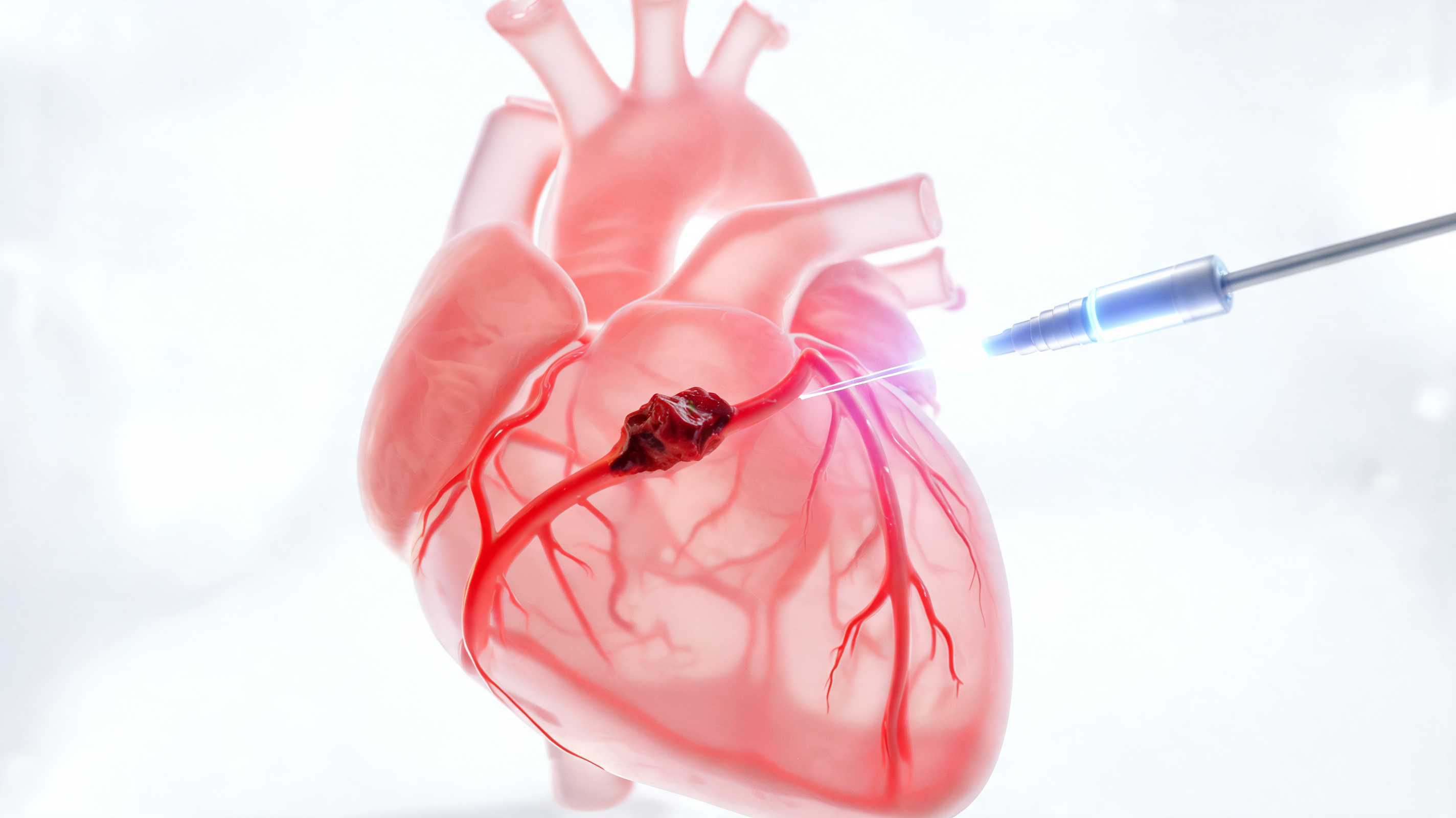
Rescue PCI after failed fibrinolysis linked to worse outcomes in STEMI compared to scheduled angiography
Rescue PCI after failed clot-busting drugs caused worse heart outcomes than planned angiography
This pre-specified analysis of the STREAM-2 RCT compared rescue PCI after failed fibrinolysis with scheduled angiography in 583 patients wit…
Patients needing emergency heart catheterization after clot-busting drugs fared worse than those who received planned procedures, with highe…

Systematic review and meta-analysis shows remote monitoring reduces mortality and hospitalizations in heart failure
Remote monitoring reduces death risk for heart failure patients
This systematic review and meta-analysis evaluated remote patient monitoring in heart failure using data from approximately 23,000 participa…
Remote patient monitoring may lower death and hospitalization risks for people living with heart failure in recent clinical trials.

Sirolimus-eluting iron bioresorbable scaffold shows higher late lumen loss than everolimus-eluting stents in coronary artery disease patients
New iron scaffold matches metal stents for heart artery repair
This randomized trial enrolled 518 patients with myocardial ischemia and 1 or 2 de novo target lesions at 36 centers in China.
A new iron heart scaffold matches metal stents in safety and effectiveness while dissolving over time.

NICE-Support programme improves frailty and quality of life in stable heart failure patients
Nutrition and exercise program improves frailty in heart failure
This randomized controlled trial in 240 adults with stable heart failure tested a 12-week multimodal support programme versus standard care.
A 12-week program combining nutrition, exercise, and support significantly reduced frailty and improved quality of life in adults with heart…

Machine learning model detects cardiac amyloidosis on bone scintigraphy with high accuracy
AI tool spots heart disease risk before symptoms start
This development and validation study assessed a machine learning model (Amylo-Detect) in 11,616 patients referred for bone scintigraphy.
A new AI system scans medical records to find hidden heart disease risk before symptoms appear in patients for doctors to act quickly.

Narrative review discusses AI and machine learning in cardio-oncology to mitigate cancer therapy-related cardiovascular toxicity risks
New AI tool spots heart risks from cancer therapy early
This narrative review examines the role of artificial intelligence and machine learning in cardio-oncology.
Smart AI predicts heart risks from cancer drugs before they start so doctors can protect patients better during treatment.

Systematic review and meta-analysis of MYH7 versus MYBPC3 variants in obstructive hypertrophic cardiomyopathy
Specific heart genes predict different risks for HCM patients
This systematic review and meta-analysis pooled data from 192,361 participants in cohort or registry studies to compare MYH7 and MYBPC3 vari…
New data shows specific heart genes predict different risks for people with obstructive hypertrophic cardiomyopathy and guide care plans.