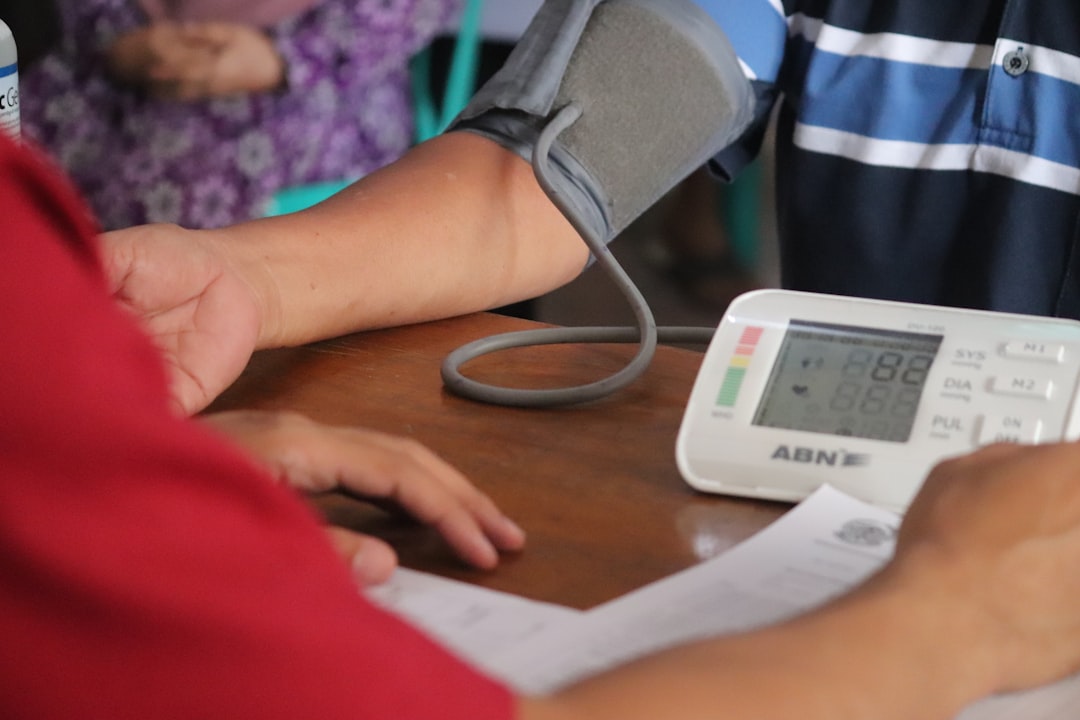
A review of heart failure care highlights significant differences in how the condition affects men and women. The findings show that women often experience a higher burden of symptoms and a lower quality of life compared to men with the same condition. These differences may be linked to biological and sociocultural factors.
While many current medical guidelines are sex-neutral, the review notes that most existing data comes from studies involving mostly men. This can make it harder for doctors to provide precise care for women. The report also suggests that because of differences in how bodies process medicine, women might achieve similar health benefits at lower medication doses.
Because current evidence is limited by a lack of diverse study groups, these findings are not intended to change immediate treatment plans. However, the review emphasizes that recognizing sex-specific needs is important for improving diagnosis and ensuring all patients get equal care. Patients should talk to their doctors about how these factors might affect their specific treatment plan.