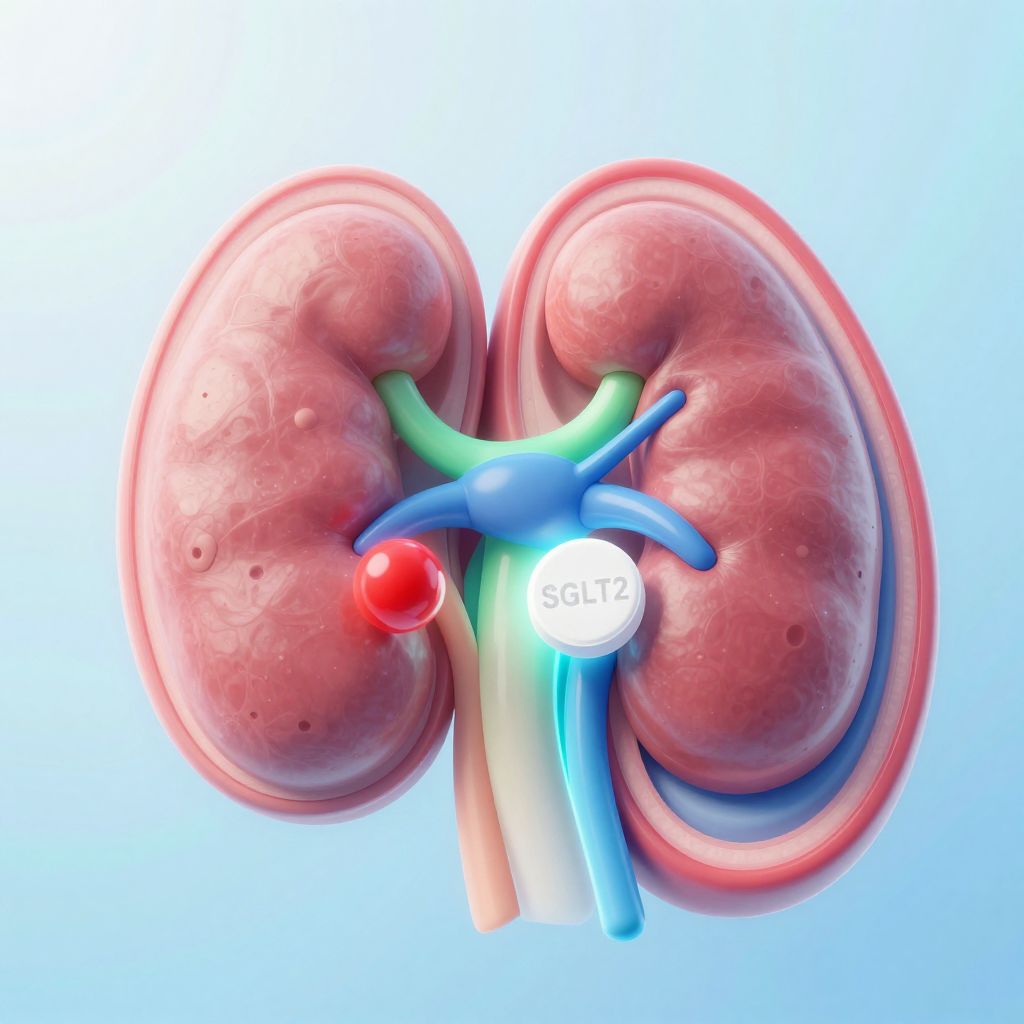
Living with a kidney transplant often comes with ongoing challenges, especially when the transplanted organ begins to struggle. This is known as chronic allograft dysfunction. Researchers recently looked at how the medication dapagliflozin affects these patients over a 12-month period.
The study involved 208 adult recipients. While the drug did not improve their estimated glomerular filtration rate (eGFR), which measures how well the kidneys filter waste, it did show significant benefits in other areas. Patients taking dapagliflozin saw a notable decrease in proteinuria, which is the presence of excess protein in the urine.
Additionally, those on the medication saw improvements in blood pressure and body mass index (BMI). For patients with diabetes, the drug also helped lower their glycated hemoglobin levels. The study reported that the treatment was well tolerated by the participants, with no difference in serious adverse events between the groups.