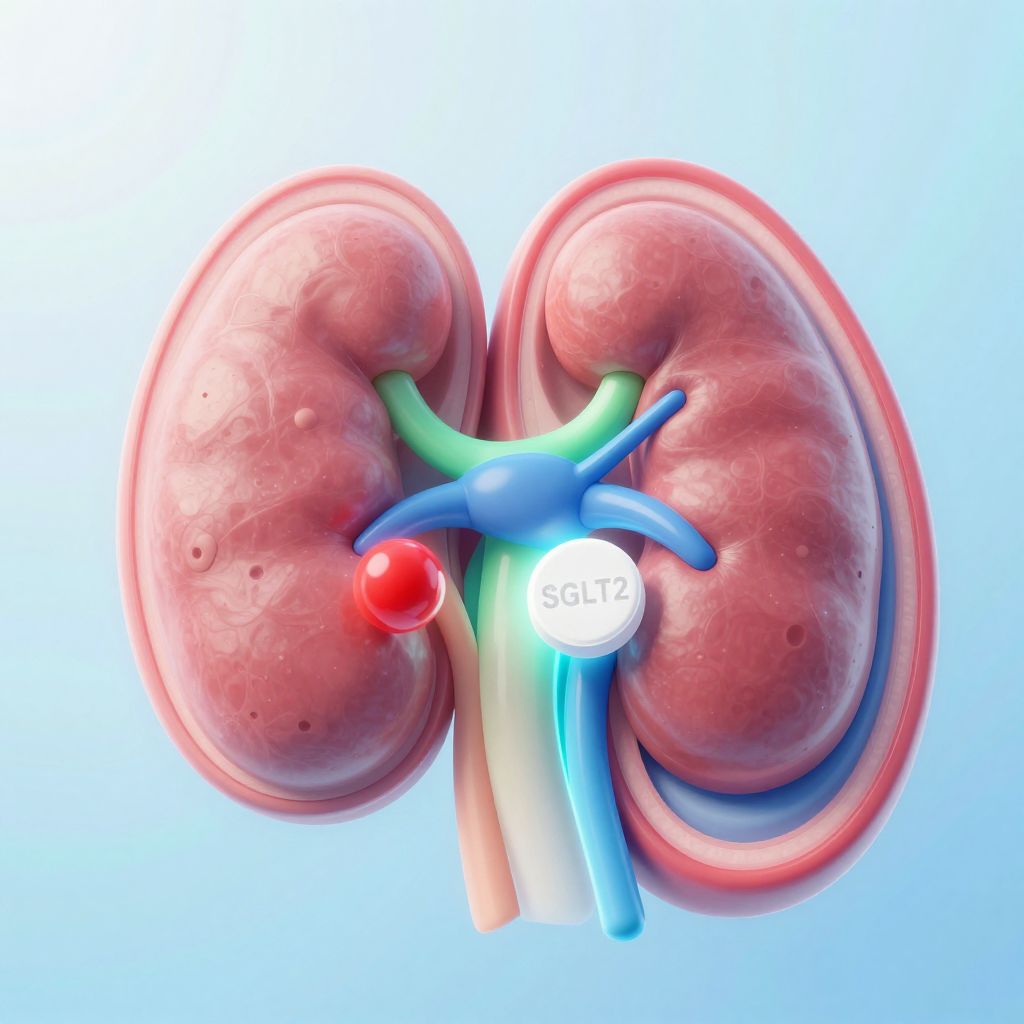
Anemia is a quiet thief. It steals energy, leaving you breathless and tired. For people with kidney disease, it is a constant battle. Current treatments can be risky and hard to tolerate. But a new review suggests a familiar drug might offer a safer path.
A Hidden Struggle
Chronic kidney disease (CKD) affects millions of adults. As kidney function declines, anemia becomes more common. The kidneys stop producing a hormone that tells the body to make red blood cells. Without it, blood counts drop.
Doctors often treat this with injections that boost red blood cell production. But these treatments can increase the risk of heart attacks or strokes. They are not a perfect solution. Patients and doctors have long needed a safer alternative.
A Surprising Shift
For years, doctors prescribed dapagliflozin to lower blood sugar in diabetes patients. It works by helping the kidneys remove excess sugar through urine. But here’s the twist: researchers noticed it did more than just control sugar.
It seemed to help with anemia, too. This study pulls together the data to see if that observation holds true. It asks a simple question: Can this diabetes drug help kidney patients breathe easier?
Think of your body like a busy highway. Red blood cells are the cars carrying oxygen to your organs. In kidney disease, there is a traffic jam. The signal to build more cars is lost.
Dapagliflozin acts like a detour. It helps clear the road. By improving how the kidneys handle sugar and fluid, it may reduce inflammation. Less inflammation means the body can better use its own natural signals to make red blood cells.
It is not a direct boost. Instead, it helps the body fix itself.
Researchers reviewed eight different studies involving kidney disease patients. They looked at data from over 4,000 people. The goal was to measure changes in hemoglobin—the protein that carries oxygen in blood.
They used strict methods to ensure the data was reliable. The analysis focused on patients taking dapagliflozin compared to those taking a placebo or standard care.
The results showed a clear improvement. Patients taking dapagliflozin had a significant rise in hemoglobin levels. On average, hemoglobin increased by about 4.37 units. That is a meaningful jump for someone struggling with fatigue.
Hematocrit—the percentage of blood made up of red cells—also improved. The increase was small but consistent across the board.
But the safety data was just as important. The drug did not just help anemia; it seemed to protect patients. Those taking dapagliflozin had a lower overall risk of adverse events. The risk of death was also significantly lower.
This doesn’t mean this treatment is available yet.
The Surprising Safety
Here is the catch: many drugs that help anemia can cause side effects. Dapagliflozin, however, showed a different pattern.
The study found no increased risk of heart or genitourinary issues. This is crucial. Many kidney patients worry about heart safety. This analysis suggests the drug may be safe for this vulnerable group.
The researchers concluded that dapagliflozin offers a "clinically meaningful" benefit. It appears to stimulate red blood cell production in a way that is different from current treatments.
However, they caution that this is a meta-analysis. It combines existing data but does not replace a dedicated clinical trial. The exact mechanism—how it boosts red cells—is still being studied.
If you have chronic kidney disease and anemia, this is promising news. Dapagliflozin is already approved for diabetes and kidney protection. It is widely available.
But this study focuses on anemia specifically. Doctors do not yet prescribe it solely for anemia. If you are struggling with low blood counts, talk to your nephrologist. Ask if dapagliflozin is right for your overall kidney care plan.
This study has limits. It looked at existing trials, which were designed for other purposes. The number of patients was moderate, not massive. We need larger studies focused only on anemia to be sure.
What happens next? Researchers need to run trials specifically testing dapagliflozin for anemia in kidney disease. If those succeed, it could change how doctors treat this common complication.
For now, it offers hope. A safe, existing drug may help patients breathe easier and live better. The road ahead is clear, but more data will guide the way.