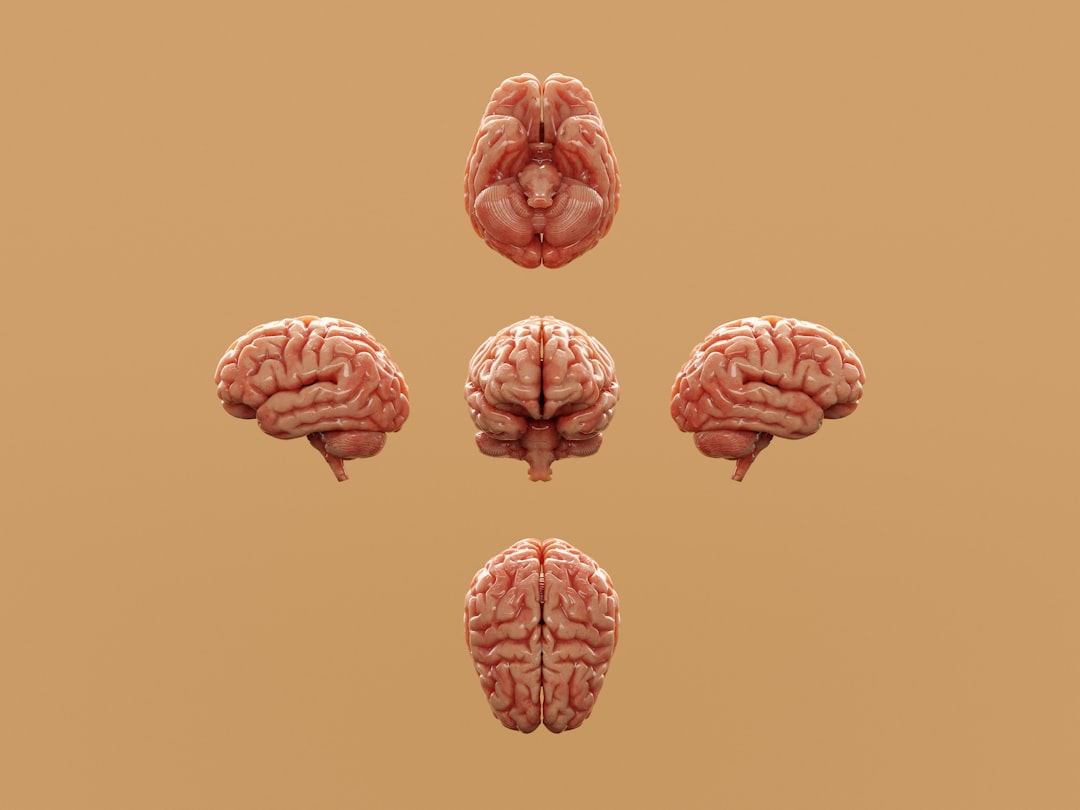
Imagine waking up and realizing you cannot move your arm. This is a terrifying reality for anyone who has suffered a stroke. The brain stops working properly when blood cannot reach it. Doctors work hard to restore that flow. But the brain often suffers damage during the time it is starved of oxygen. This is called ischemia-reperfusion injury.
The brain is like a delicate factory. If you cut the power line and then flip the switch back on too fast, the machines can break. The same thing happens in our brains. Blood rushes back into the tissue, but the cells are not ready. They die. This kills the parts of the brain that control movement and speech.
But here is the twist. Scientists have found a natural compound that might protect these cells. It comes from the Ligusticum chuanxiong plant. The active ingredient is called Ligustrazine. Think of it as a shield for the brain cells. It helps them survive the shock of returning blood flow.
This shield works by calming down the body's emergency response system. When blood returns, the body releases chemicals that cause inflammation. This is like a fire alarm going off in a crowded room. The chemicals attract immune cells that try to help but end up causing more damage. Ligustrazine acts like a quiet manager. It tells the immune system to hold back. This stops the internal fire from spreading to healthy tissue.
Researchers looked at many studies to see if this idea held true. They searched through medical databases for animal experiments. They found 23 different studies involving hundreds of animals. These animals had been made to suffer a stroke-like event. Some received Ligustrazine while others did not. The team used advanced math to analyze the results. They wanted to find the perfect way to use this medicine.
The findings were clear. Animals that received Ligustrazine did much better. Their brain function scores were significantly higher. The amount of dead brain tissue was much smaller. They could move their limbs and respond to commands better than the control group. The math showed a strong link between the drug and better outcomes.
But there is a catch. Timing matters a lot. The machine learning models found that the first dose must happen quickly. Giving the medicine within 24 hours before or shortly after the event made a huge difference. The drug needs to be there before the damage starts. It is like putting a fire extinguisher on the wall before a match is struck.
The right amount of medicine also matters. Too little might not work. Too much could be wasteful. The study found a specific range that worked best. This range was about 23 to 35 milligrams per kilogram of body weight. The treatment also needed to last for a while. A course of treatment lasting more than 71 hours seemed to provide the best protection.
This does not mean this treatment is available for humans yet. The study was done on animals. We must be careful not to jump to conclusions. What works in a mouse or a rat does not always work in a person. The human body is more complex. We need to test this in human trials before we can prescribe it.
Experts say this is a big step forward for research. It gives scientists a clear map for future tests. They now know exactly when and how much to give the drug in animal models. This makes the next steps more efficient. It saves time and money by avoiding bad trial designs.
For patients, this means hope for better treatments. If this drug works in humans, it could be a new option for stroke recovery. It might help people who do not respond to current therapies. Doctors could use it to protect the brain during surgery or after a heart attack.
However, we must wait for more proof. The current evidence comes from animal studies only. We need to see how humans react to the drug. Safety is the first priority. We must ensure it does not cause side effects in people. Large clinical trials will be needed to prove it is safe and effective.
The road ahead is clear but long. Scientists will likely start human trials soon. They will follow the rules established by this new research. They will test the timing and the dosage carefully. If the results are good, this could become a standard treatment. Until then, patients should talk to their doctors about current options.
This research shows how science works. We learn from animals to help humans. It is a slow process but a necessary one. Ligustrazine offers a new path for treating brain injury. It reminds us that nature can provide powerful tools for healing. We just need to find the right way to use them.