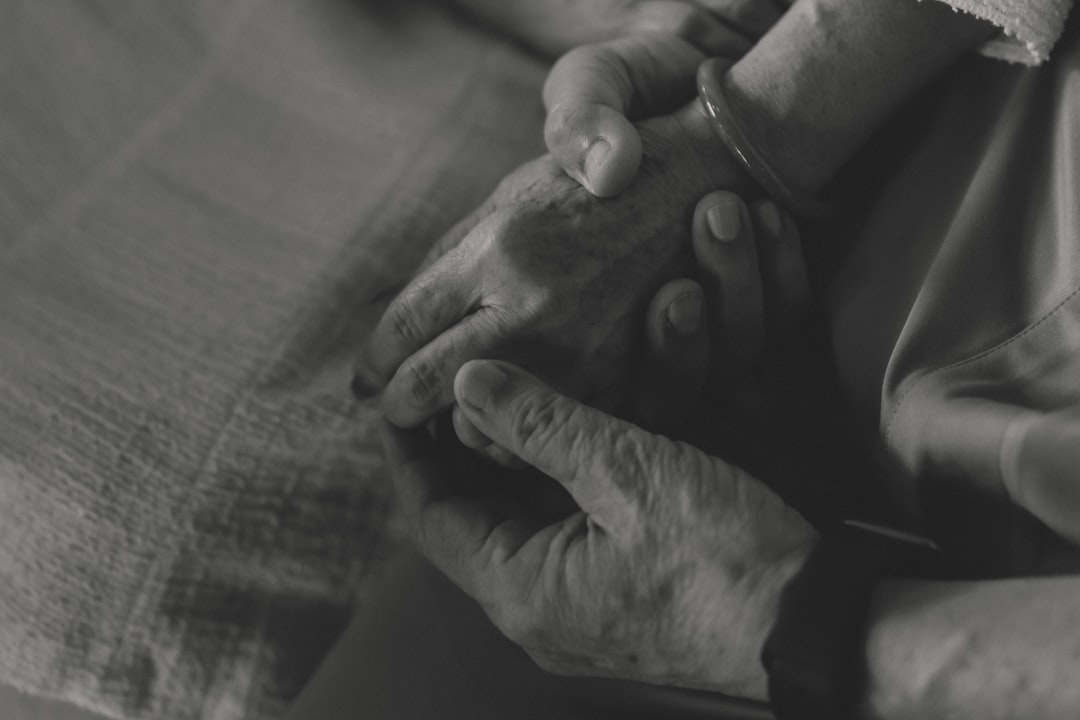
Imagine trying to manage the complex needs of a loved one with dementia, only to face repeated, stressful trips to the emergency room. A new, small study tested whether a different kind of support could help. It offered families up to two telehealth visits with a specialist trained to guide conversations about goals, values, and what matters most for care. The idea was to provide integrated palliative care—a type of support focused on comfort and quality of life—through a screen.
The research involved 51 people living with dementia and their caregivers. Those who received the telehealth conversations ended up with significantly fewer emergency department visits and hospitalizations over the following year. That's a meaningful finding for families desperate for stability. However, the study did not find that the program improved the person's day-to-day quality of life or made the intense job of caregiving feel any lighter.
It's crucial to see this as a first, hopeful step, not a final answer. This was a pilot study, which means it was designed to see if the approach was even possible to test on a larger scale. The number of families involved was small, and the researchers haven't yet shared the specific numbers behind the 'significant' reduction in hospital visits. We also don't know what the comparison group received for their usual care. The result points to a potential path for keeping people at home and out of the hospital, but the full picture of its benefits and limits is still unclear.