Imagine waking up one day and forgetting why you walked into a room. You try to remember, but the words slip away. This is the scary reality for millions of people living with Alzheimer's disease. Doctors have long struggled to catch the disease early enough to help patients.
Current methods rely on expensive brain scans or spinal taps. These procedures are invasive and not available everywhere. Patients often wait until symptoms are severe before getting a diagnosis. By then, it is too late to start effective treatments.
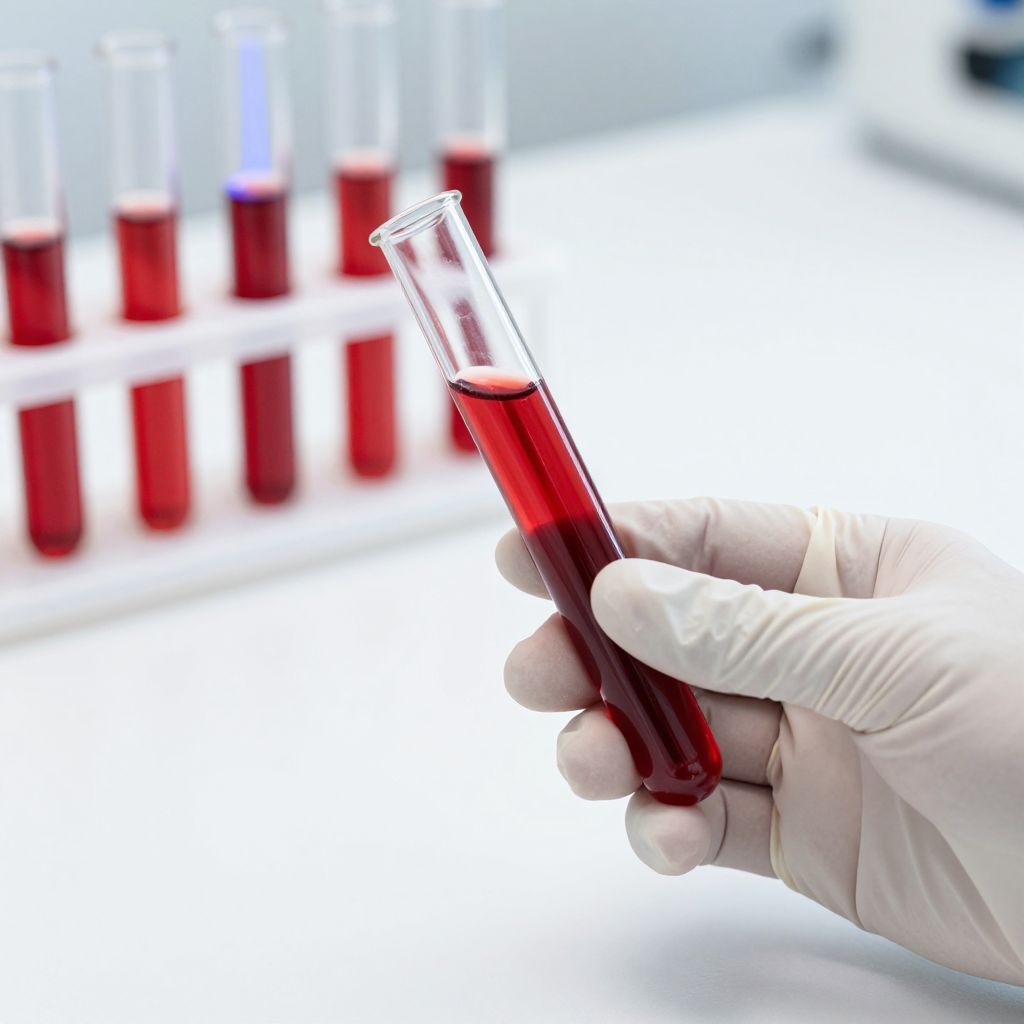
But there is hope on the horizon. Scientists have found a way to look for disease markers in a simple blood draw. This change could transform how doctors diagnose and treat this condition.
The Old Way Vs The New Way
For decades, doctors used two main tools to find Alzheimer's. They used PET scans to look at the brain or spinal fluid tests to check for proteins. Both methods work well but they are hard for patients to handle.
PET scans require a radioactive tracer and cost thousands of dollars. Spinal taps can be painful and scare many patients away. Many people simply cannot access these tests because of cost or location.
The new approach uses a different kind of marker. Researchers focus on a specific protein called p-tau217. This protein builds up in the blood when Alzheimer's is present. It acts like a warning flag that the brain is changing.
A Switch That Burns Fat
Think of the brain like a busy factory. When Alzheimer's starts, it creates a traffic jam that stops normal work. The p-tau217 protein is like a broken machine part that leaks out.
Doctors can now find this leaked part in a drop of blood. It is like finding a specific key on the floor that tells you the lock has been tampered with. This simple clue reveals what is happening deep inside the brain without opening the skull.
What Changed After Six Months
A large review looked at data from many different studies. They combined results from over 19,000 people to get a clear picture. The numbers show that this blood test is very accurate.
The test correctly identified the disease in 85.4 percent of cases. It also correctly ruled out the disease in 88.0 percent of healthy people. These numbers are much better than older blood markers that were less reliable.
The test works well whether doctors compare it to brain scans or spinal fluid results. It gives a clear answer that helps doctors decide on next steps.
This doesn't mean this treatment is available yet.
This finding is huge for patients and their families. It means a simple blood test could guide doctors toward the right care plan. Patients might get a diagnosis earlier and start treatments sooner.
Early detection is key because new medicines work best when the disease is mild. Waiting for severe memory loss means missing the window for help. A blood test opens that window for more people.
However, this tool is not a magic wand. It is a powerful guide that helps doctors choose the right path. It does not replace the need for a full medical evaluation.
Every study has limits. This review included different types of tests and patient groups. Some studies used different cutoff points to define a positive result. These differences mean doctors must be careful when using the test alone.
More research is needed to standardize the test. Scientists must agree on the best way to measure the protein. They also need to prove the test works in diverse populations.
Large clinical trials will follow to confirm these findings. Regulatory agencies will review the data before approving the test for routine use. This process takes time but ensures safety and reliability.
The journey from lab bench to clinic is underway. A simple blood draw could soon become the first step in diagnosing Alzheimer's. This shift brings hope to families facing this difficult disease.