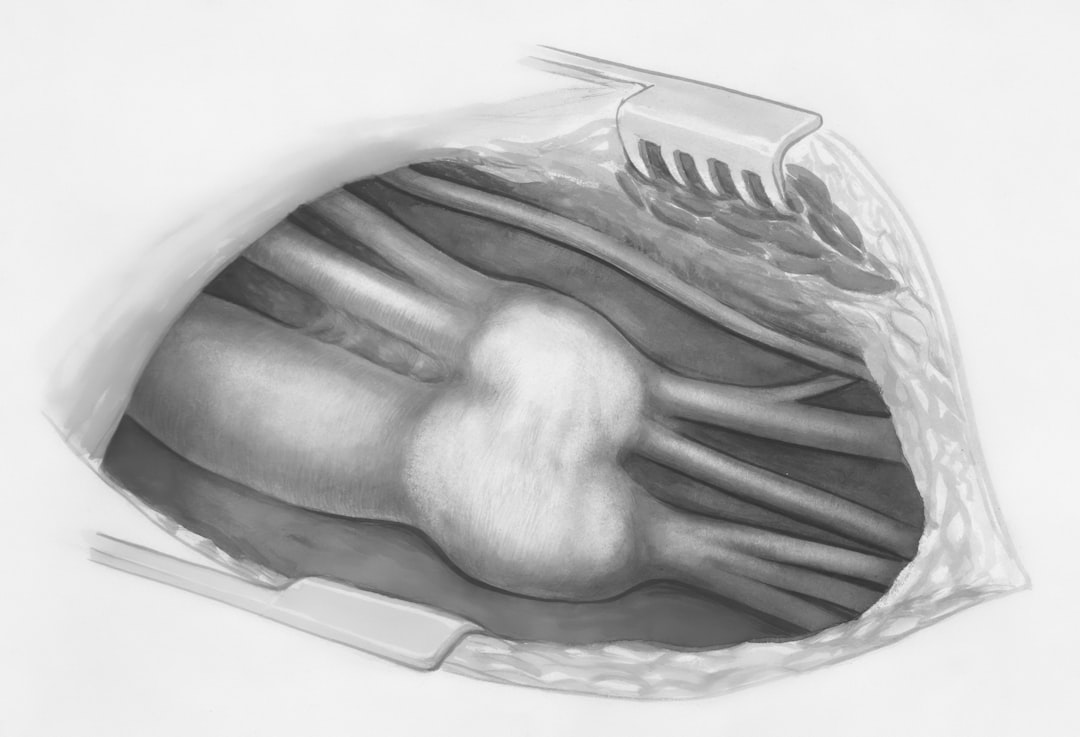
Surgery to remove the gallbladder, known as a cholecystectomy, is a common procedure. While the surgery is generally routine, patients often experience significant discomfort in the hours and days following the operation. Managing this pain effectively is important for patient comfort and recovery. This research looks at a specific method to help manage that discomfort immediately after surgery.
Researchers conducted a meta-analysis, which is a study that combines the results of several different trials, to compare two different ways of providing local numbing. The first method is a technique called a laparoscopic-guided transversus abdominis plane (LTAP) block. The second method is the standard practice of injecting local anesthetic only at the sites where the surgical tools enter the body, known as port-site infiltration. The study looked at data from 711 adults who underwent gallbladder surgery.
The results showed that the LTAP block was more effective at reducing pain than the standard port-site method. Specifically, patients who received the LTAP block reported lower pain scores at the 1, 3, 6, and 24-hour marks following their surgery. While the LTAP block did not change the length of the surgery or the amount of extra pain medication needed, it did show a modest reduction in the total length of time patients stayed in the hospital. Other factors, such as shoulder pain, nausea, and vomiting, did not show a significant difference between the two methods.
It is important to note that while the results for early pain were clear, the evidence for some other outcomes was less certain. Because the study combined many different trials, there was a lot of variation in how different studies were conducted. This means that while the LTAP block shows promise for early pain relief, the data for things like hospital stay length is less consistent across all studies.
For patients, this means that the LTAP block is a promising tool for doctors to use to improve comfort in the immediate hours after gallbladder surgery. However, because this is a meta-analysis of existing trials, it does not mean every hospital will adopt this method immediately. It provides evidence that this specific nerve block can be a more effective way to manage early post-operative pain than standard local injections alone.