Mode
Text Size
Log in / Sign up

Lower VExUS grades predict reduced in-hospital mortality in acute heart failure patients

Lower VExUS grades predict reduced in-hospital mortality in acute heart failure patients
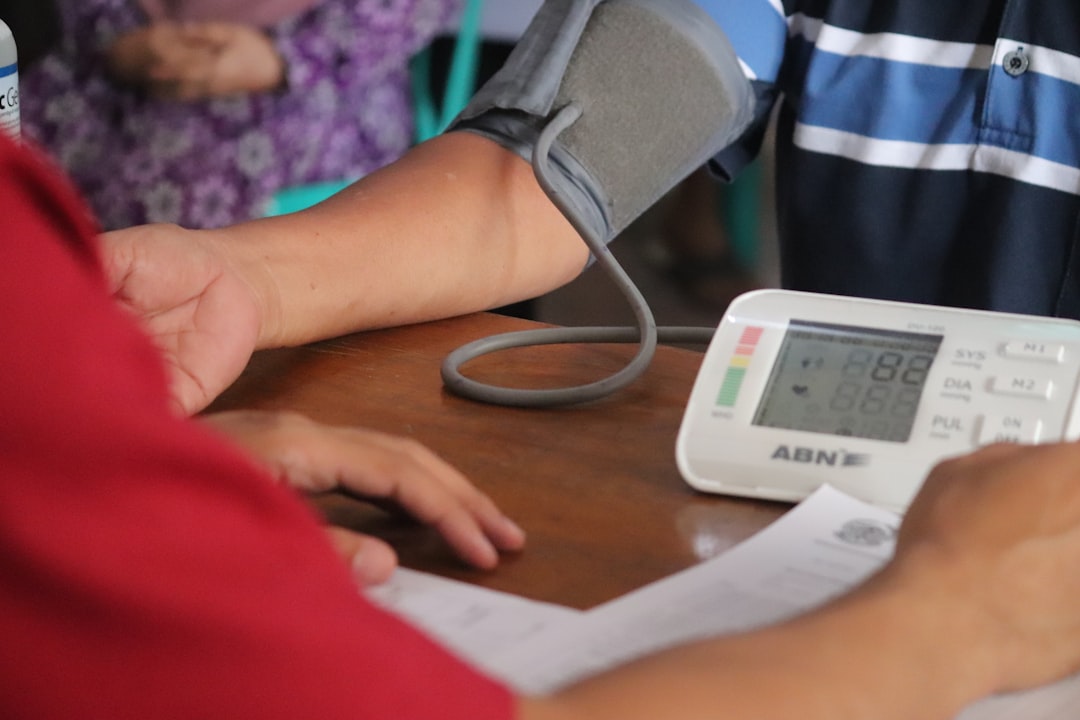
Photo by National Cancer Institute / Unsplash
Key Takeaway
Note that lower VExUS grades associate with reduced in-hospital mortality in acute heart failure.

This systematic review and meta-analysis utilized a Bayesian random-effects model to evaluate the VExUS score in patients hospitalized with acute heart failure. The study included 565 patients across the analyzed data. Researchers compared outcomes between patients with VExUS ≤1 versus those with VExUS ≥2.

The primary outcome was in-hospital mortality. The analysis reported a 1.9% mortality rate in the VExUS ≤1 group versus 14.1% in the VExUS ≥2 group. The absolute numbers were 4 out of 210 patients in the lower score group and 50 out of 355 patients in the higher score group. The effect size was 0.175 with a 95% CrI of 0.061 to 0.497.

The direction of the effect indicated reduced mortality with lower VExUS grades. The posterior probability of association with an odds ratio less than 1 was 99.91%. The posterior probability of a clinically relevant effect with an odds ratio less than 0.8 was 99.93%. The authors note that these findings support the role of VExUS as a bedside tool for prognostic risk stratification in acute heart failure.

The study did not report adverse events, serious adverse events, discontinuations, or tolerability. The authors caution against overstatement regarding causation or clinical outcomes beyond in-hospital mortality. Funding or conflicts of interest were not reported.

Study Details

Study typeMeta analysis
Sample sizen = 565
EvidenceLevel 1
PublishedJun 2026
View Original Abstract ↓
BACKGROUND: Systemic venous congestion is a key determinant of prognosis in acute heart failure (AHF). The Venous Excess Ultrasound (VExUS) score has emerged as a bedside tool to assess congestion, but its prognostic value in AHF remains uncertain. We aimed to evaluate the association between VExUS and in-hospital mortality in patients hospitalized with AHF. METHODS: PubMed, Embase, and the Cochrane Library were searched for studies assessing the prognostic value of VExUS in AHF. Patients with VExUS ≤1 were compared to those with VExUS ≥2 for the primary endpoint of in-hospital mortality. A Bayesian random-effects meta-analysis estimated marginal posterior distributions for overall effect and heterogeneity. RESULTS: Five studies including 565 patients were analyzed, most with VExUS grade 3 and reduced ejection fraction. In-hospital mortality occurred in 1.9% of patients with VExUS ≤1 (4/210) and in 14.1% with VExUS ≥2 (50/355), corresponding to a mean odds ratio of 0.175 (95% CrI: 0.061-0.497). The posterior probability of an association (OR<1) was 99.91%, and of a clinically relevant effect (OR<0.8) was 99.93%. The predictive distribution showed a 95% probability that the true odds ratio in a future study would range from 0.045 to 0.681. Sensitivity analyses using weakly informative and vague priors yielded consistent results. CONCLUSION: Lower VExUS grades were associated with reduced in-hospital mortality, supporting the role of VExUS as a bedside tool for prognostic risk stratification in acute heart failure.
Free Newsletter

Clinical research that matters. Delivered to your inbox.

Join thousands of clinicians and researchers. No spam, unsubscribe anytime.