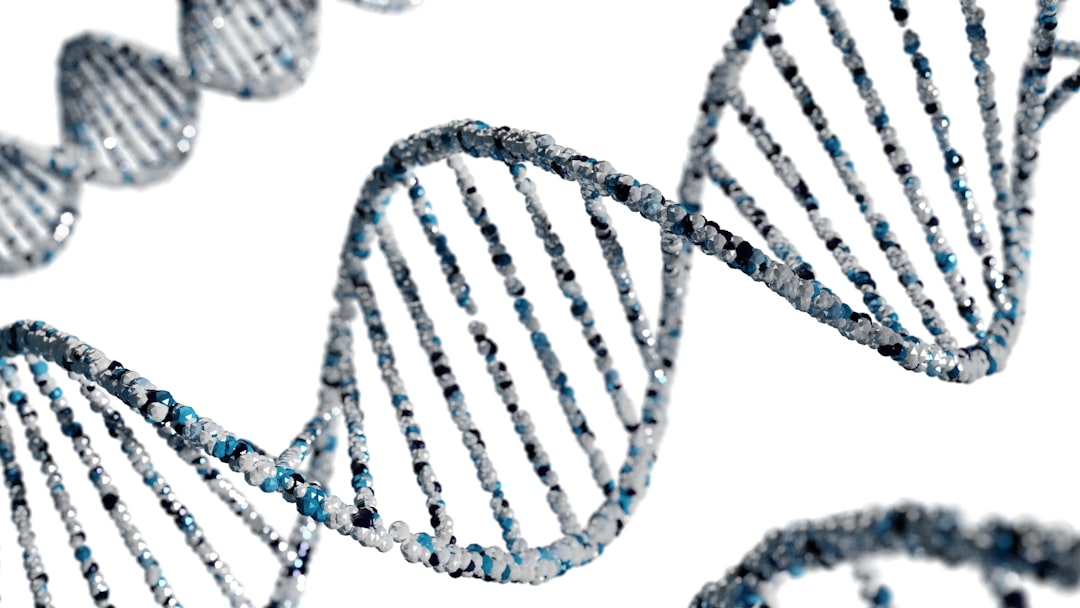
Imagine trying to understand a complex puzzle where every piece is a tiny part of your DNA. This massive study joined together data from millions of people to look for patterns in how our genes relate to generalized anxiety disorder, major depressive disorder, and posttraumatic stress disorder. Instead of looking at each condition separately, researchers found a shared underlying factor that connects them all.
The team identified 248 specific locations in our genetic code that are linked to this shared factor. For major depression, they found 591 locations, while 237 were linked to PTSD and 109 to anxiety. This approach uncovered more than 450 specific genetic changes and over 1,250 genes involved in these conditions. It shows that these mental health struggles share a common biological foundation, even while having unique parts.
However, knowing these genetic links does not mean we can predict who will get sick or how to treat them right now. The study involved millions of participants, but it looked at biology, not how people feel day to day. These findings are a map of the terrain, not the destination. We still need to figure out how to use this knowledge to help real people.