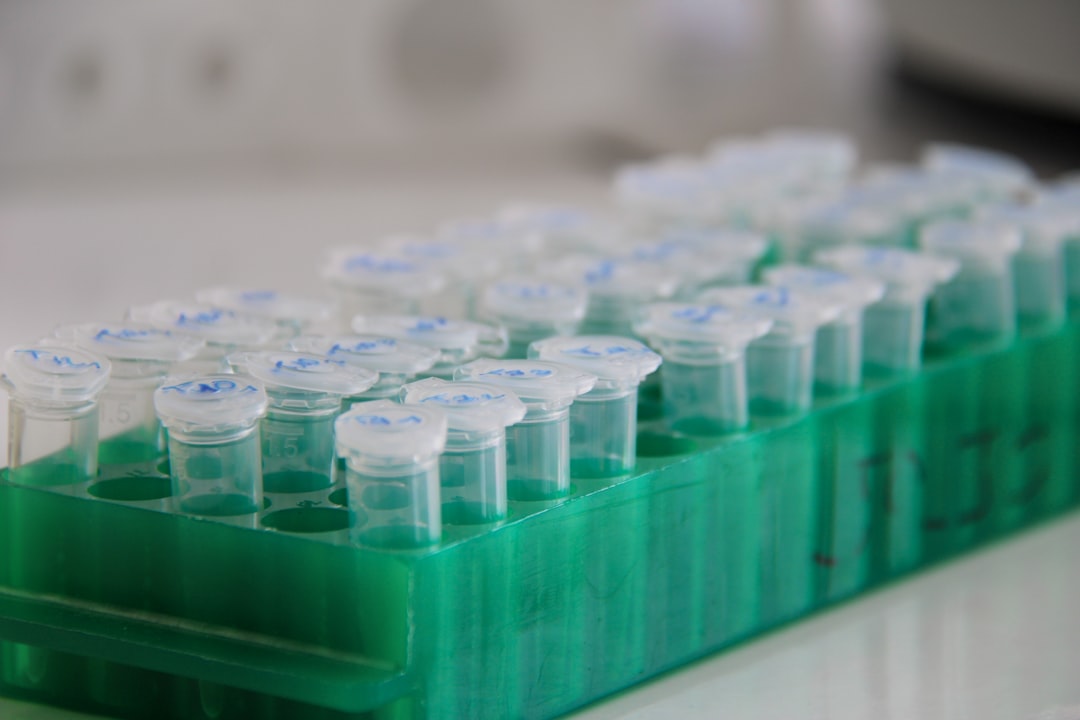
Researchers used a method called single-cell and single-nucleus RNA sequencing to study ischemic stroke. This technology allows scientists to look at individual cells rather than looking at a large group of tissue at once. By doing this, they can see how different cells react to the stroke and identify specific areas where the body is struggling.
The study found that this sequencing method is useful for mapping out complex processes. It helps identify specific cell states related to the disease and highlights how the immune system and inflammation respond. It also helps track issues like blood-brain barrier damage, blood vessel growth, and how cells die or survive after a stroke.
Because this is a review of existing data rather than a clinical trial, the results are not yet ready to change how doctors treat patients today. However, the findings are important for the future. This technology helps scientists find specific targets for new drugs and better understand how the brain tries to repair itself after an injury.