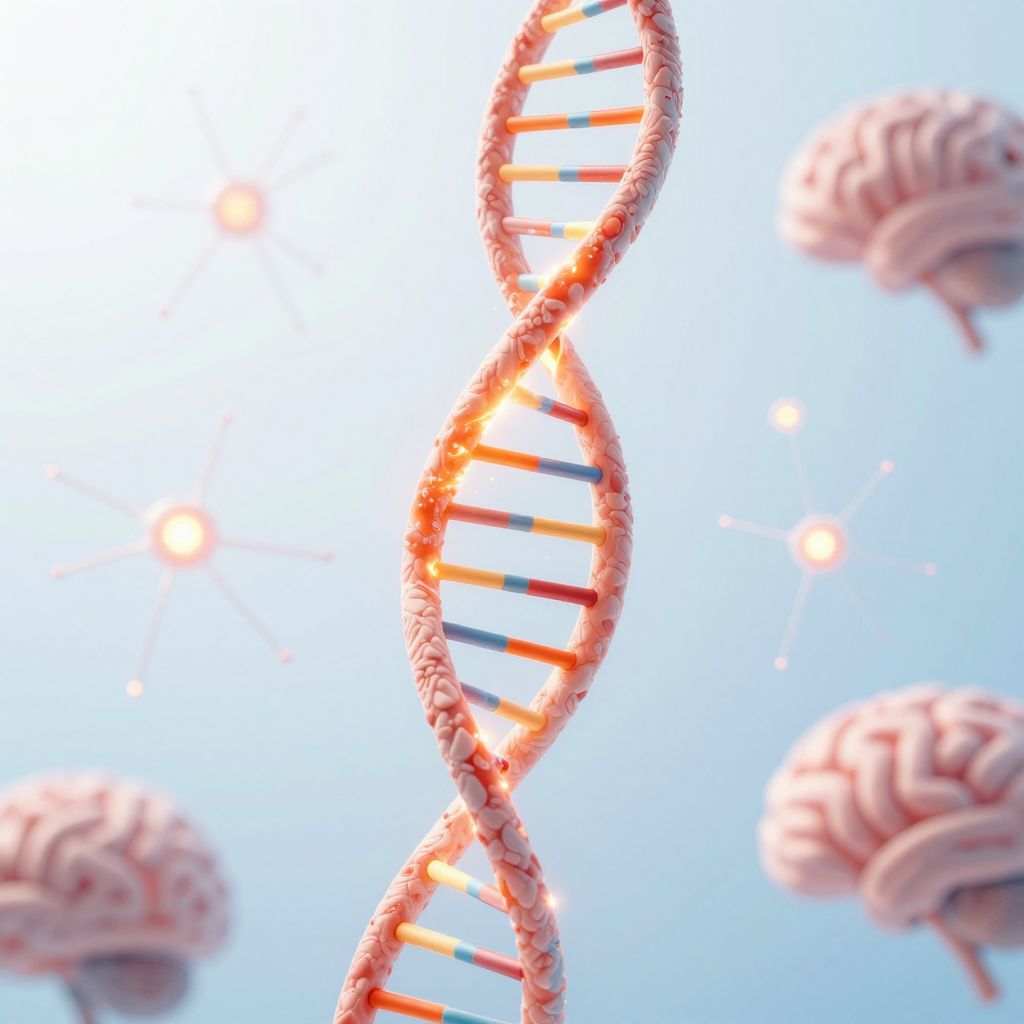
- A brain protein called CNTN6 helps build neural networks.
- Changes in this gene link to autism and schizophrenia.
- Research is early, so no new medicine exists yet.
Scientists have identified a specific protein that helps wire the brain and may be linked to mental health conditions.
Imagine trying to build a house without a blueprint. Your brain does this every single day. It must connect billions of cells perfectly. If the wiring fails, the whole system suffers.
Why Brain Wiring Matters Now
Mental health conditions affect millions of people worldwide. Many struggle to find answers for themselves. Current treatments often miss the root cause.
We used to think these issues were complex mysteries. Now, we see a specific protein involved. But here’s the twist.
The Surprising Shift in Science
For years, doctors focused on chemicals in the brain. They looked at serotonin and dopamine levels. This approach helped many patients.
However, genetics play a bigger role than we knew. A new protein called CNTN6 is changing the conversation. It acts like a guide for growing nerves.
Scientists used to believe brain development was random. They thought connections formed by chance. This new view suggests a strict plan.
How This Protein Acts Like Glue
Think of brain cells as neighbors in a city. They need to stick together to work well. CNTN6 acts like the glue between them.
Without this glue, the roads get messy. Signals cannot travel from one cell to another. This causes confusion in the brain.
Animal models with missing genes showed clear problems. Mice lost their sense of direction. They could not remember where to go.
Researchers looked at mice and human data together. They found missing pieces in the gene caused memory issues. This happened in specific brain areas.
This doesn’t mean this treatment is available yet.
The protein is active in the hippocampus and cerebellum. These areas control memory and balance. They are also key for learning.
Why This Changes the Conversation
Experts say this helps us understand the bigger picture. It connects different conditions like autism and schizophrenia. They share a common wiring problem.
Some people also have links to Tourette syndrome. Others face challenges with intellectual disability. The gene seems to touch many areas.
What This Means for Patients
You cannot test for this at home. Talk to a specialist if you have concerns. Genetic testing is complex and specific.
Do not panic if you hear this news. Finding the gene is just the first step. It does not guarantee a cure today.
The Limits of Current Knowledge
Animal models are not perfect copies of humans. We need more time to understand the full picture. Human brains are much more complex.
This study is a review of past work. It does not test a new drug. It simply puts old pieces in a new box.
More studies are needed before new drugs appear. Science moves slowly but surely toward better care. Researchers are watching closely for results.
Approval takes years of safety testing and trials. Families should stay hopeful but realistic. The journey to new treatments is long.