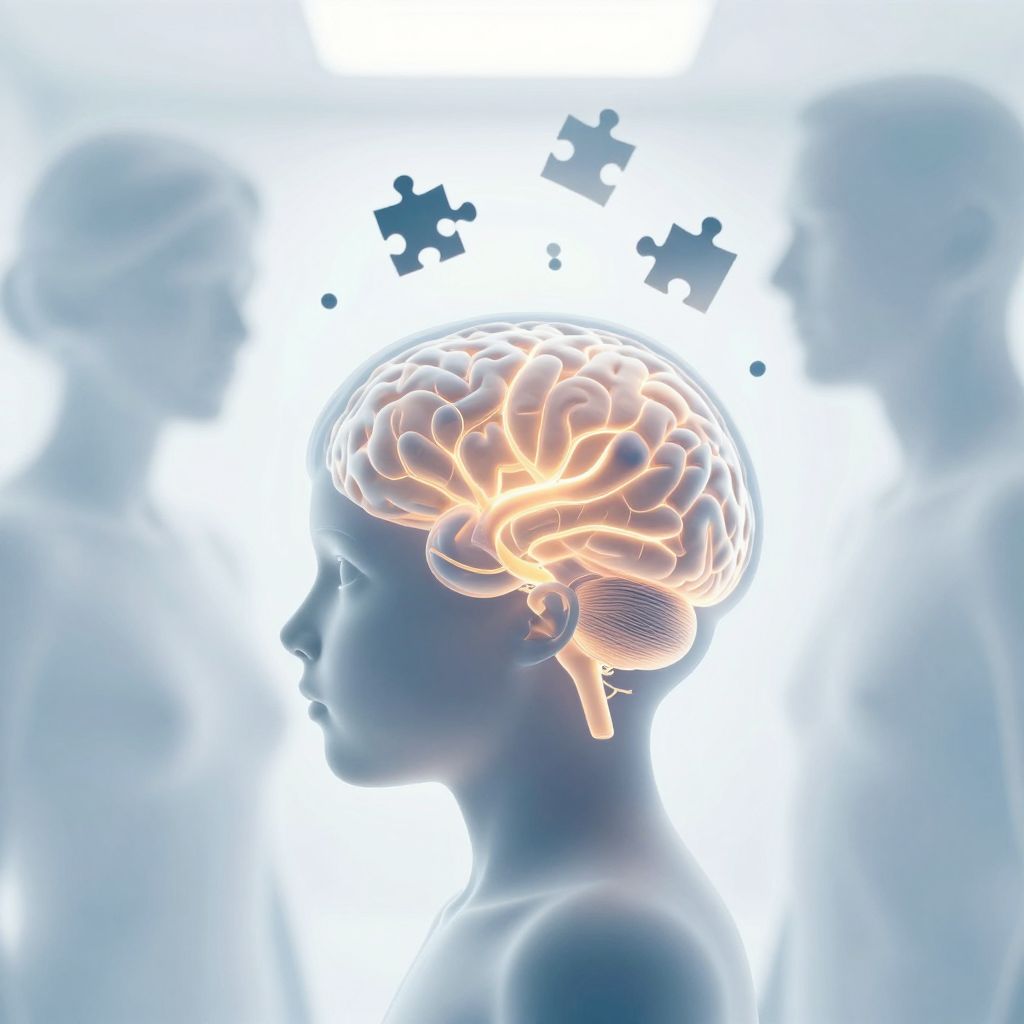
Imagine a child sitting in a classroom. They try to remember a math problem or focus on a story. Suddenly, their mind feels foggy. They struggle to keep up with classmates. This happens more often than we think.
It is not because the child is not trying. The problem runs deeper. A new study looks at how parents' mental health affects their children's brains.
The Hidden Link Between Parents And Kids
Many people know that having a parent with a mental illness is hard. But the science is just catching up. For years, doctors focused on treating the parent. They often ignored how this affected the child's mind.
This new research changes that view. It looks at severe mental illnesses like schizophrenia, bipolar disorder, and major depression. These conditions are serious. They change how a person thinks and feels.
When a parent has one of these conditions, the child is at risk. The risk is not just emotional. It is also about how the brain works.
How The Brain Gets Stuck In Traffic
Think of the brain like a busy highway. Cars are thoughts, memories, and words. They need to move fast to learn and play.
In a healthy brain, traffic flows smoothly. But in some children, the traffic jams. Words take longer to come out. Remembering a list of items becomes difficult. Solving puzzles feels like climbing a steep hill.
This is what the study found. Children of parents with schizophrenia had the biggest trouble. Their general thinking skills were much lower than average. Their ability to use language was also affected.
Parents with bipolar disorder also saw these issues. Their children had trouble with memory and planning ahead. Even parents with major depression showed some effects, though they were smaller.
This was not a small guess. Scientists looked at 109 different studies. They combined data from over 1.5 million people. That is a huge number of families.
They compared children of parents with mental illness to children without. The difference was clear. Children of parents with schizophrenia had a large drop in test scores. The drop was seen in IQ tests and language skills.
The numbers tell a powerful story. The average difference was large enough to be noticed in real life. It means these children need extra help to succeed.
But there's a catch.
The study does not say these children are doomed. It says they face higher risks. This is important. It means we can act before it is too late.
Why Early Help Matters Now
The good news is that the brain is flexible. It can grow and change. This is called neuroplasticity. With the right support, children can improve their skills.
Schools and doctors can help. Teachers can give extra time for reading or math. Parents can learn strategies to support their child's focus. Therapy can teach coping skills for stress.
The study suggests population-level strategies. This means helping whole communities, not just one family. If we support parents with their own health, their children benefit too.
What Happens Next
This research is a map. It shows where the problems are. Now, we need to build bridges. More trials will test new ways to help these families.
We cannot wait for a perfect cure. We must act with what we have today. Talk to your doctor if you see these signs. Ask about support groups for families.
The goal is simple. Every child deserves a clear mind. Every child deserves to learn without fighting a battle. This study gives us the tools to start winning that fight.