Mode
Text Size
Log in / Sign up

Shared gray matter volume reductions in ventromedial prefrontal cortex and insula across schizophrenia, MDD, and AUDShared Brain Structure Changes Link Schizophrenia, Depression, and Alcohol Use

AI-generated summary of the cited source, checked by automated accuracy review. How we work

Key Takeaway
Note shared gray matter deficits in the ventromedial prefrontal cortex and insula across schizophrenia, MDD, and AUD.

This meta-analysis synthesizes imaging data from 13,041 participants to identify common and disorder-specific gray matter volume (GMV) deficits in patients with schizophrenia (SZ), major depressive disorder (MDD), and alcohol use disorder (AUD) compared to healthy controls. The analysis identified significant shared GMV reductions in the ventromedial prefrontal cortex, ventral anterior cingulate cortex, insula, and superior temporal gyrus (p <.0025).

The study also explored secondary outcomes, including functional interactions of shared regions with cortical midline structures and the involvement of dopaminergic and serotonergic neurotransmitters. These findings suggest that these specific brain regions may serve as common neurostructural substrates for symptoms such as social withdrawal and anhedonia across these three distinct conditions.

While the meta-analysis identifies consistent structural overlaps, it is important to note that the data are observational and do not establish a direct causal link between specific brain regions and clinical symptoms. The results may have implications for identifying common treatment targets for overlapping symptoms in psychiatric populations.

How this fits prior evidence

This meta-analysis identifies shared neurostructural substrates across schizophrenia, MDD, and AUD, which may provide a common target for symptoms like anhedonia. This finding complements previous evidence regarding the high prevalence of major depressive disorder in patients with dissociative identity disorder and the role of shared genetic architecture in major depressive disorder and PTSD.

Researchers analyzed brain scans from over 13,000 people to compare the brain structures of those with schizophrenia, major depressive disorder, and alcohol use disorder against healthy individuals. The study looked specifically at gray matter volume, which is a key part of brain structure.

The results showed that people with all three conditions shared similar reductions in gray matter in specific areas. These areas include the ventromedial prefrontal cortex, ventral anterior cingulate cortex, insula, and superior temporal gyrus. These regions are often linked to how people experience pleasure and interact with others.

Because these areas are affected in all three conditions, they may represent a common biological link for symptoms like social withdrawal and a lack of pleasure. While this study shows a clear link between these brain structures and the conditions, it does not prove that these specific areas cause the symptoms. It highlights a potential target for future treatments for these overlapping conditions.

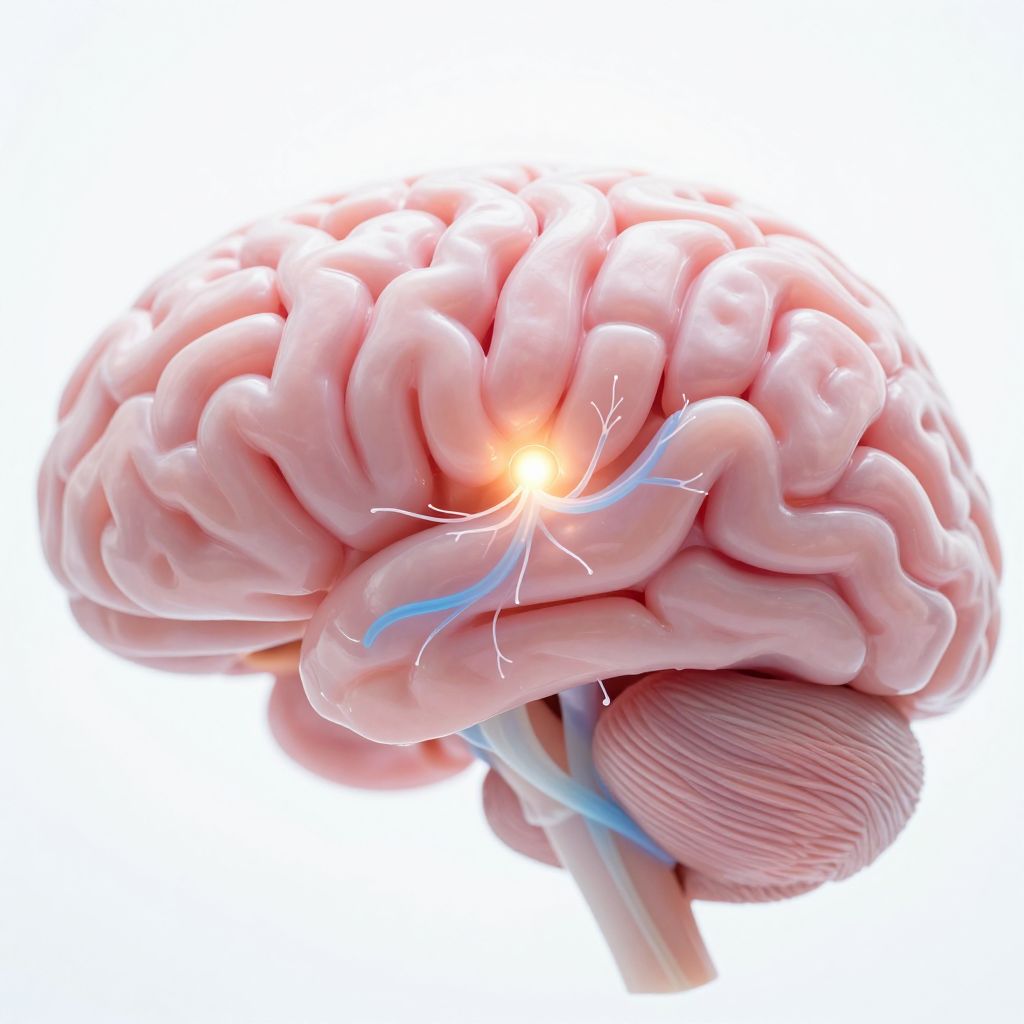
What this means for you:
Shared gray matter reductions in specific brain regions are linked to schizophrenia, depression, and alcohol use.

Common questions

What did the study find about the brain and these conditions?

The study found that people with schizophrenia, major depressive disorder, and alcohol use disorder all showed similar reductions in gray matter volume. These changes were specifically found in the ventromedial prefrontal cortex, ventral anterior cingulate cortex, insula, and superior temporal gyrus.

What do these shared brain changes mean for patients?

The shared changes in these brain regions suggest there may be a common biological basis for symptoms like social withdrawal and a lack of pleasure across all three conditions. This could help doctors identify common targets for future treatments.

Does this mean these brain areas cause the symptoms?

The study shows a link between these brain structures and the conditions, but it does not prove that the specific brain regions cause the symptoms. It identifies a shared neurostructural substrate rather than a direct cause.

Study Details

Study typeMeta analysis
Sample sizen = 13,041
EvidenceLevel 1
PublishedOct 2026
View Original Abstract ↓
Importance: Anhedonia, social withdrawal and executive deficits represent transdiagnostic symptoms in depression, schizophrenia and addition, yet transdiagnostic brain volumetric alterations and their contribution to these symptom domains have not been systematically characterized. Objective: To determine common and disorder-specific gray matter deficits in patients with schizophrenia (SZ), major depression disorder (MDD) and alcohol use disorder (AUD) compared to heathy controls. Data Sources: A comprehensive literature search using three databases including PubMed, Web of Science and PsycInfo (between January 2000 to March 2024) as well as searches on review articles. Study Selection: Studies had to be published in English, reporting whole-brain results, comparing patients and healthy controls. Data Extraction and Synthesis: This meta-analysis adhered to the PRISMA guidelines and was pre-registered (https://osf.io/s57uq) prior to data analysis. Data was independently extracted and verified by 3 contributors, and statistical brain maps were generated using Seed-based d Mapping with Permutation of Subject Images (SDM-PSI) random-effects model. 147 VBM studies encompassing 90 Schizophrenia, 44 MDD and 13 AUD studies were finally included. Main Outcomes and Measures: Statistical maps of common and disorder-specific gray matter deficits in patients versus healthy controls are presented. Statistical inference utilized permutation tests, with threshold at p < .0025 and cluster extent of 10 voxels. Heterogeneity was evaluated using the I2 statistic and publication bias using Eggers regression test. Results: Capitalizing on a coordinate-based meta-analysis involving n=13,041 participants, we found shared GMV alterations in the ventromedial prefrontal cortex, ventral anterior cingulate cortex, insula, superior temporal gyrus. On the network level, we found robust functional interactions of the identified shared regions with the cortical midline structures as well as social and theory of mind-related behavioral functions. Subsequent characterization analyses highlighted the involvement of dopaminergic and serotonergic neurotransmitters as well as associated genetic annotations. Conclusions and Relevance: Overall, the present meta-analysis found common as well as separate GMV abnormalities in schizophrenia, major depressive disorder and alcohol use disorder suggesting a common neurostructural substrate and treatment target for social withdrawal and anhedonia across these disorders. Keywords: alcohol-use disorder, depression, meta-analysis, schizophrenia, voxel-based morphometry
Free Newsletter

Clinical research that matters. Delivered to your inbox.

Join thousands of clinicians and researchers. No spam, unsubscribe anytime.