
Intensive cognitive behavioral therapy significantly reduces OCD symptoms compared to non-active intervention controls
Intensive Cognitive Behavioral Therapy Shows Strong Results for People with OCD
This meta-analysis of 786 patients with obsessive-compulsive disorder (OCD) indicates that intensive cognitive behavioral therapy (CBT) sign…
Intensive cognitive behavioral therapy can significantly reduce symptoms for people living with obsessive-compulsive disorder.

Subconcussive head impacts are associated with altered brain microstructure in collision and contact sport athletes
Repeated minor head hits may change brain structure in athletes
This systematic review examines the relationship between subclinical head acceleration events (HAEs) and brain microstructure in athletes. T…
Research shows that repeated minor head impacts in contact sports are linked to changes in the brain's physical structure.

Endovascular thrombectomy for medium vessel occlusion stroke shows favorable outcomes in observational studies
Endovascular Thrombectomy Shows Potential for Medium Vessel Occlusion Stroke
This systematic review of 42 studies, including 4 RCTs and 38 cohort studies, evaluates endovascular thrombectomy for medium vessel occlusio…
Endovascular thrombectomy may help patients with medium vessel occlusion strokes achieve better functional independence and successful vesse…

Warm needle moxibustion combined with rehabilitation improves Fugl-Meyer Assessment scores in post-stroke hemiplegia
Specific acupuncture techniques may improve recovery after a stroke
This systematic review and network meta-analysis of 71 RCTs involving 6,121 patients evaluated various acupuncture techniques combined with …
Different types of acupuncture combined with rehabilitation may help patients regain movement and daily function after a stroke.
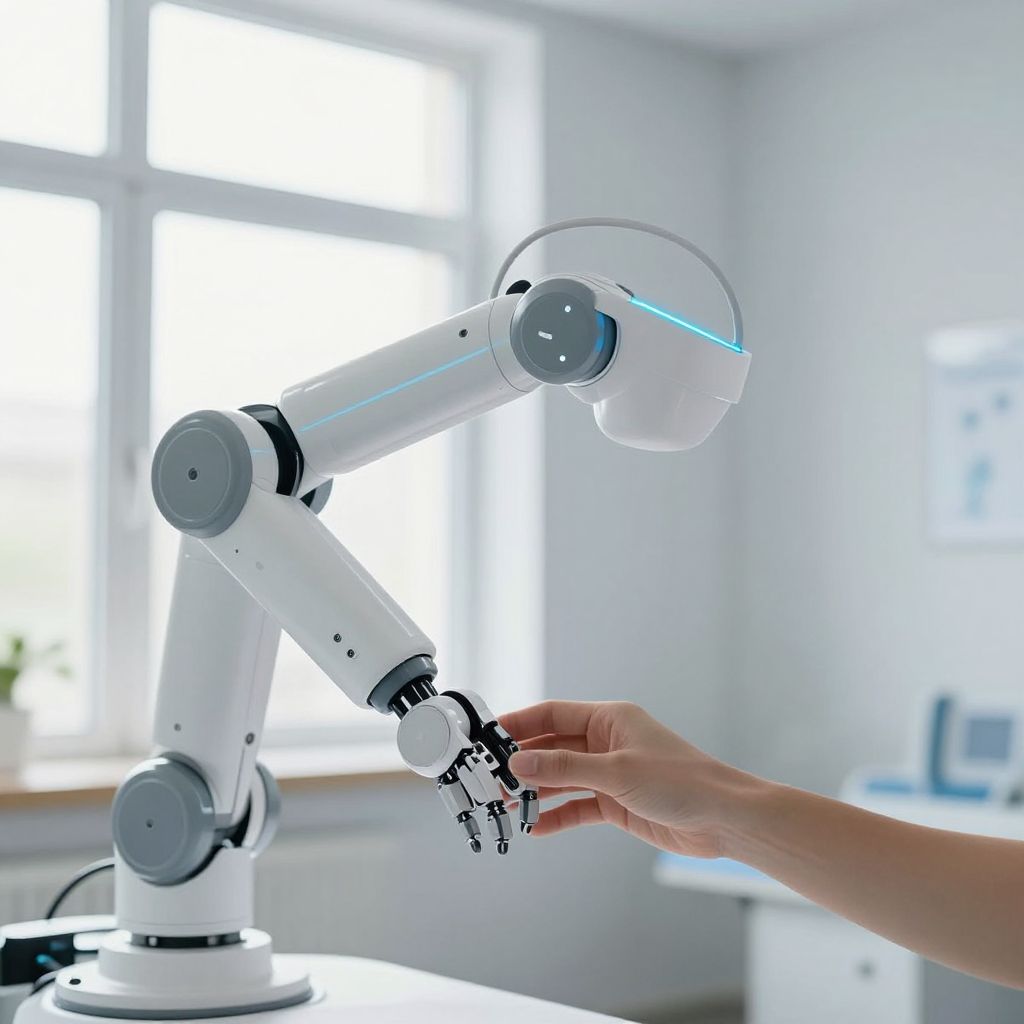
BCI-Robot Tops Ranking for Upper-Limb Recovery After Stroke
Brain-computer interface robots show promise for stroke recovery
BCI-robot rehabilitation ranked highest for upper-limb recovery after stroke, but its edge over robot therapy alone was small.
A new analysis shows that combining brain-computer interfaces with robotic therapy can improve arm movement more than traditional stroke reh…

Exercise interventions improve motor function and freezing of gait scores in Parkinson's disease
Exercise Interventions May Improve Movement and Balance in Parkinson's
This meta-analysis of 714 patients with Parkinson's disease found that exercise interventions significantly improved motor scores and freezi…
Exercise programs may help people with Parkinson's disease improve their motor skills, balance, and symptoms like freezing of gait.
Transcutaneous auricular vagus nerve stimulation shows potential for depression, epilepsy, migraine, and post-stroke rehabilitation
Vagus Nerve Stimulation Shows Potential for Depression and Migraine
This narrative review of 72 articles explores the mechanism and therapeutic potential of transcutaneous auricular vagus nerve stimulation (t…
A new method of nerve stimulation may offer potential benefits for managing conditions like migraine, epilepsy, and depression.

TCM interventions targeting ferroptosis may offer multi-target anti-ferroptotic strategies for vascular cognitive impairment
Traditional Chinese medicine may slow brain damage from small strokes
This narrative review explores the role of ferroptosis in vascular cognitive impairment and the potential of traditional Chinese medicine (T…
New research looks at how traditional herbs could block a specific type of cell death that harms the brain after a stroke.

Comprehensive pulmonary rehabilitation may improve exercise capacity and quality of life in post-tuberculosis lung disease
Comprehensive Pulmonary Rehabilitation May Improve Life After Tuberculosis
This narrative review examines the role of comprehensive pulmonary rehabilitation for individuals with post-tuberculosis lung disease. The a…
Comprehensive pulmonary rehabilitation programs may improve exercise capacity and quality of life for people living with lung disease after …

Narrative Review Proposes Three-Layer Biological Framework Linking Gene Function to Autism Phenotypes
New framework links genes and biology to autism symptoms
This narrative review proposes a three-layer hierarchical framework connecting gene function, core biological pathways, and clinical phenoty…
A new framework connects gene functions and biological pathways to help researchers understand the different ways autism affects people.

Botulinum toxin type A improves passive stretch-evoked activity and CMAP in post-stroke spasticity
Botulinum toxin helps muscle control after a stroke
This meta-analysis of 760 patients with post-stroke spasticity indicates that Botulinum toxin type A significantly improves passive stretch-…
New research shows how botulinum toxin injections can improve muscle activity and motor control for people living with post-stroke stiffness…
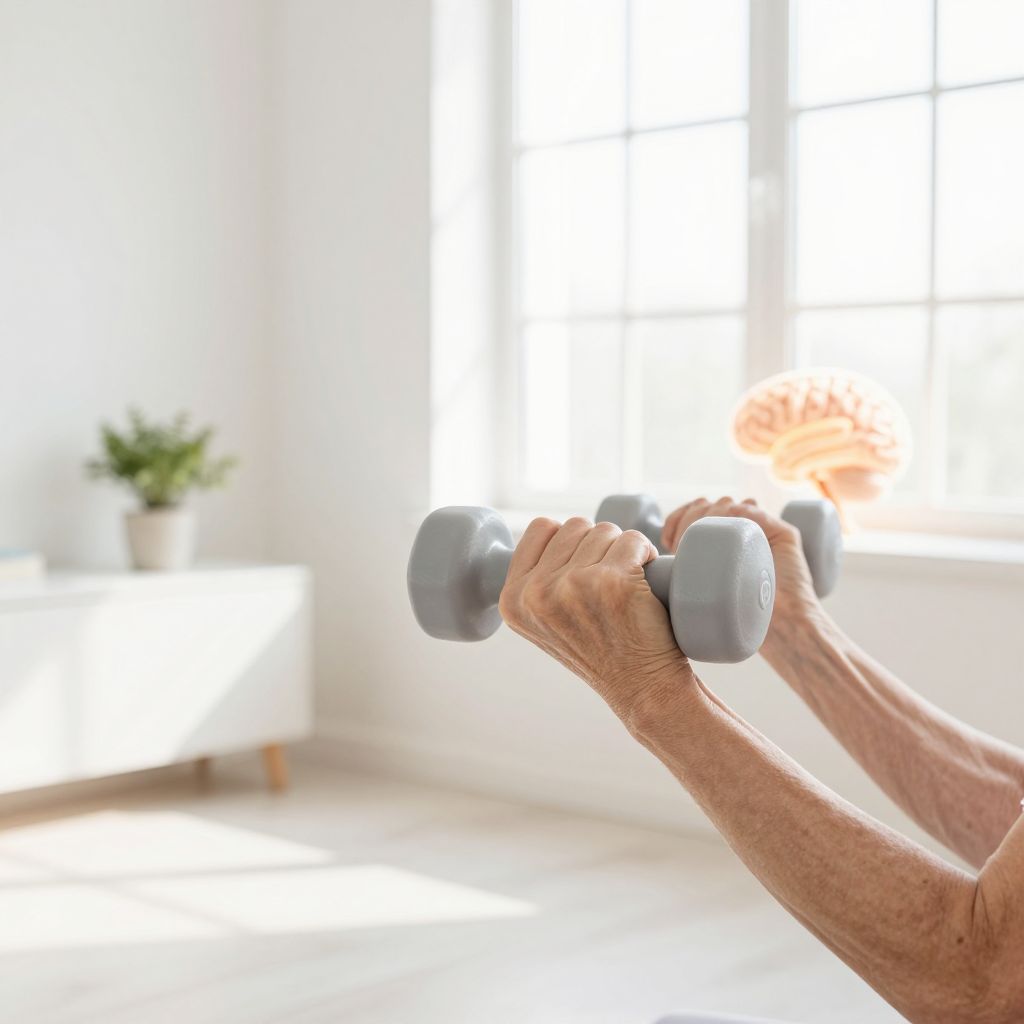
Resistance training shows largest effect for global cognition in Alzheimer's and Parkinson's disease
Resistance training shows strongest results for cognitive health in dementia
This network meta-analysis of 1,993 participants evaluated six exercise modalities for global cognitive function in Alzheimer's disease, Par…
Resistance training may offer the strongest boost to cognitive function for people living with Alzheimer's or Parkinson's disease.