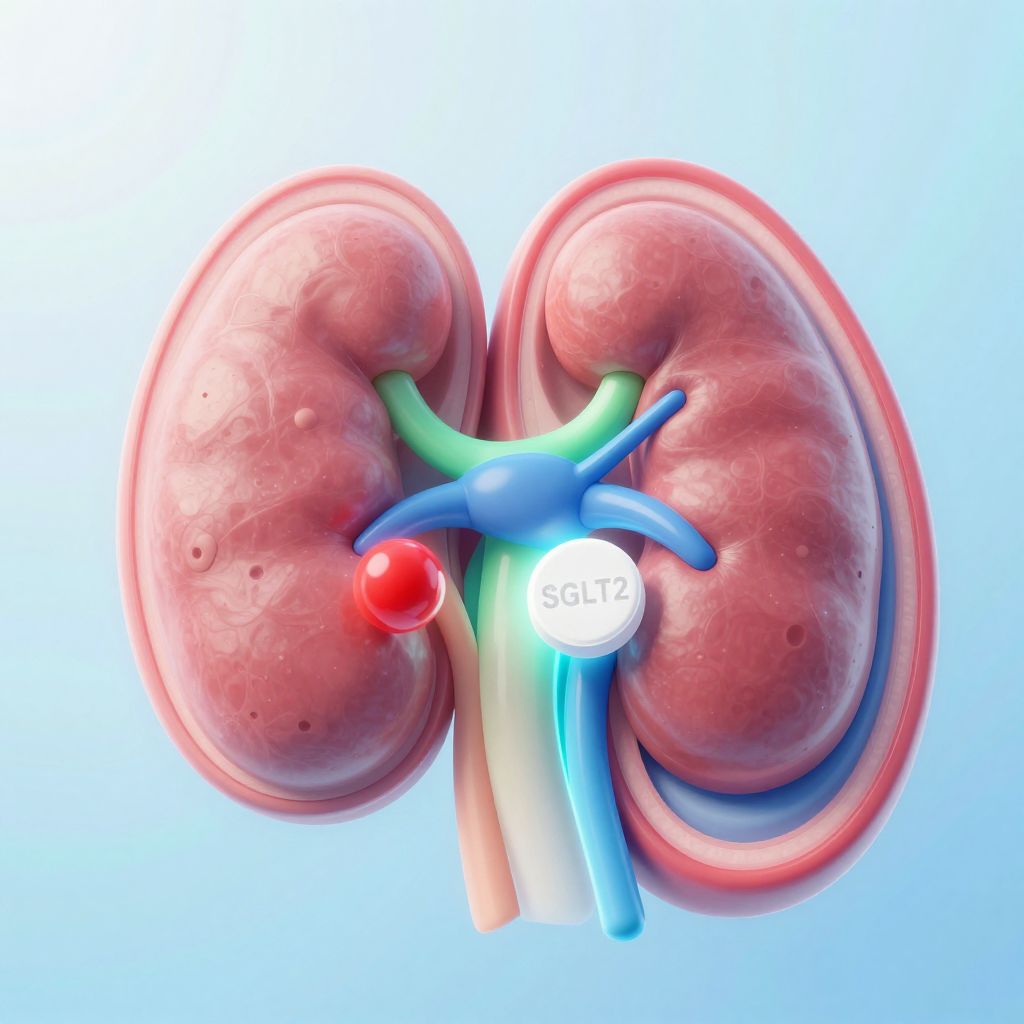
Heart surgery is a major procedure that can put significant stress on the body. One of the most common complications during and after heart surgery is acute kidney injury. This condition occurs when the kidneys suddenly stop working properly, often due to the physical stress of the operation or the medications used during the procedure. For patients undergoing heart surgery, protecting kidney function is a major goal for medical teams to ensure a smoother recovery.
the researchers conducted a large randomized clinical trial to see if a medication called dapagliflozin could help. The study included 784 adults who were scheduled for elective cardiac surgery. These patients were split into two groups. One group received 10 milligrams of dapagliflozin once a day for four days, starting one day before their surgery and continuing through the second day after surgery. The other group received a placebo, which is an inactive substance. This type of study design is considered a high standard for determining if a specific treatment actually causes a change in health outcomes.
The results of the study were significant. In the group that received dapagliflozin, the rate of acute kidney injury was 28 percent. In the group that received the placebo, the rate of acute kidney injury was 52 percent. This means that patients taking the medication were much less likely to experience sudden kidney damage during the first week after their heart surgery. The study also looked at other factors, such as the occurrence of atrial fibrillation and the need for reoperation. The rates for these other issues were similar between both groups.
While the results are promising, there are important things to keep in mind. This study only followed patients for seven days after their surgery. Therefore, the researchers do not have data on how the kidneys performed over a longer period of time. Additionally, the study did not provide specific details on why some patients required a second operation. These gaps mean that while the immediate protection of the kidneys is clear, the long-term effects are not yet fully known. For patients and families, this means that dapagliflozin shows potential as a tool to protect kidney health during a very high-risk time. However, this is just one study. Doctors will need to consider a patient's full medical history and specific needs before deciding on a treatment plan. It is not a guaranteed fix for everyone, but it provides a strong piece of evidence that this medication can help reduce one of the most common complications of heart surgery.